

One year of operating the three-tier government model:Success is measured by the people's trust
In marking one year since Viet Nam began operating its three-tier system of government, The People’s Deputies Newspaper spoke with Ms. Ramla Khalidi, Resident Representative of the United Nations Development Programme (UNDP) in Viet Nam, about the reform’s initial achievements, the challenges that have emerged, and the conditions needed to ensure its long-term effectiveness and sustainability.

Thank you, Ms. Ramla Khalidi, UNDP Resident Representative in Viet Nam, for agreeing to this interview with the People’s Deputies Newspaper. July 1 marks one year since Viet Nam began operating its three-tier governance model, including a two-tier system of local government. In your assessment, what have been the initial impacts of this model on the delivery of public services at the local level?
A timely question! As Viet Nam marks one year of implementation of the two-tier local government model, UNDP had the privilege of working alongside the Ho Chi Minh National Academy of Politics in conducting a rapid assessment of public service delivery in this new context. The data collection was conducted six months after the reform took effect with the objective to capture the experiences of citizens and local officials in accessing and delivering essential public services during this period of transition.
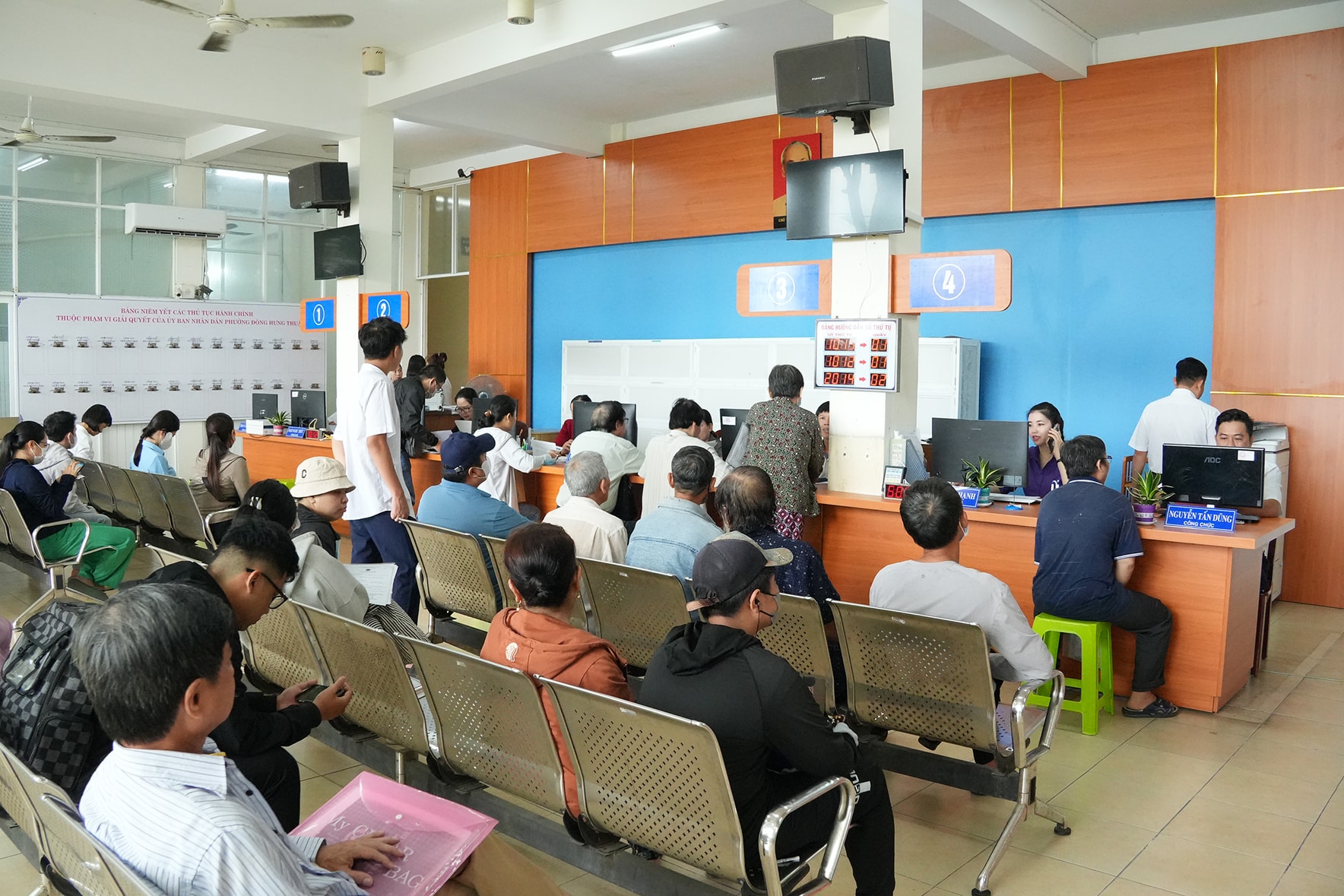
The findings suggest a number of encouraging early developments at the commune level, while also highlighting operational challenges that commonly accompany major institutional transitions. The study found broad public support for streamlining local government structures, with many respondents noting that removing the district tier can facilitate more direct interaction with commune-level authorities. Satisfaction with routine administrative procedures remains fairly high, scoring 4.1 out of 5 points. In addition, 91 percent of respondents rated civil servants as professionally competent, while 94 percent were satisfied with the timeliness of administrative services.
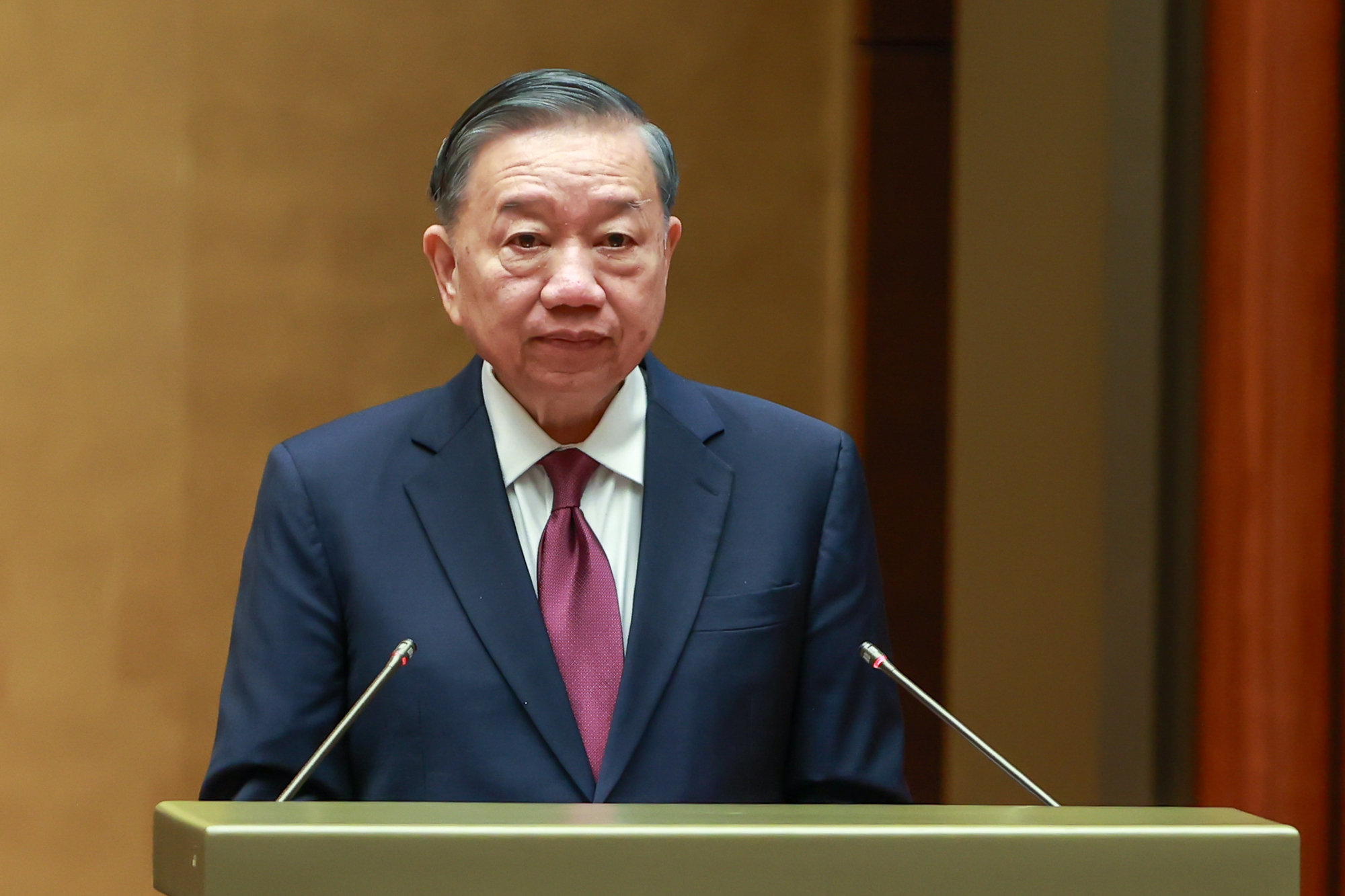
At the same time, the assessment suggests that commune authorities are adjusting to significantly expanded responsibilities and corresponding workloads. Interviews with local officials indicated that many are now managing broader, multi-sectoral portfolios previously handled by specialized district-level units. This adjustment is most visible in more complex services, such as land-use right certificate procedures, where the on-time completion rate reached 71 percent and approximately 12 percent of surveyed citizens reported using intermediaries. The complexity of the new workloads has also been recently noted by Party General Secretary and President To Lam in his conclusions on the preliminary review of one year since the reforms came into force. The assessment findings suggest that some specialised services may benefit from further refinement of administrative processes, strengthened institutional arrangements and continued capacity support to ensure that citizens can fully benefit from the reform.
More broadly, the assessment demonstrates the commitment of local authorities and civil servants to maintain service delivery during a period of significant institutional change. As the reform moves forward, continued learning, adaptation and evidence-based policy adjustments will be important to maximize its benefits for citizens.
Could you please provide early evidence of institutional strengths and bottlenecks during the transition?
According to our rapid assessment, one of the early institutional strengths emerging from the transition is the strong commitment of local authorities and civil servants to maintain continuity in public service delivery while adapting to new responsibilities. Citizens also expressed confidence in the direction of the reform. Over 60 percent of respondents said local authorities are now more accessible, administrative procedures are simpler, and concerns about corruption have been alleviated.
Beyond the citizen experience, the assessment suggests that the two-tier model can help speed up decision-making, shorten administrative processes, and strengthen accountability at the local level. These are important foundations for responsive and citizen-centered governance.
At the same time, the findings point to a number of transition-related challenges that are common in large-scale institutional reforms. Discussions with local officials in Bac Ninh and Hung Yen provinces for example, suggest that mandates, capacities, digital systems and resources are still being adjusted to match the expanded responsibilities of commune authorities. In some cases, local administrations are managing broader functions while simultaneously adapting to new organisational arrangements and working methods. Citizens have also reported that in some cases, the distances they need to cover to access public services has increased with the merger of the provinces, another point recently noted by Party General Secretary and President To Lam.
The assessment also highlights the importance of accelerating digital interoperability and data integration. Where systems are not yet fully connected, officials may have to enter the same information multiple times or coordinate manually across agencies, reducing efficiency . Similarly, sectors such as health and education may require continued attention to ensure that governance functions, human resources and service delivery systems evolve in a coordinated manner during the transition.
Overall, the findings suggest that the reform has established a strong foundation for more streamlined local governance. The next phase will be about consolidating these gains by further strengthening local capacities, digital systems and implementation arrangements so that citizens can fully benefit from the reform.
Could you point out key conditions needed to ensure effective decentralization, including capacity, financing, and digital infrastructure from what you have observed?
The findings from the assessment highlight an important lesson: institutional reforms are most effective when they are supported by strong systems, adequate resources and capable institutions. The experience of the first year suggests that effective decentralization depends not only on the reassignment of functions and responsibilities, but also on the capacity, resources and tools available to local authorities to carry them out successfully – taking a "System-building approach".
From our observations, three factors are particularly important: capable local institutions and human resources, adequate financing, and strong digital infrastructure.
First, human resources remain at the heart of successful decentralization. As commune-level authorities take on broader and more complex responsibilities, local officials increasingly require multidisciplinary skills, adaptive problem-solving capacities and opportunities for continuous learning. The assessment suggests that capacity development efforts can be further tailored to the evolving needs and workloads of local administrations. It will also be important to ensure that human resource policies and incentives support local officials in delivering high-quality services to citizens.
Second, fiscal decentralization and administrative decentralization need to progress hand in hand. We know that devolved responsibilities are most effective when accompanied by adequate, predictable, and well-managed financial resources. Continued efforts to strengthen public financial management capacity at the local level can help ensure that communes are well positioned to deliver on their expanded mandates. Especially in this initial period, investments must be prioritised to create the necessary conditions for decentralization to deliver on its promise.
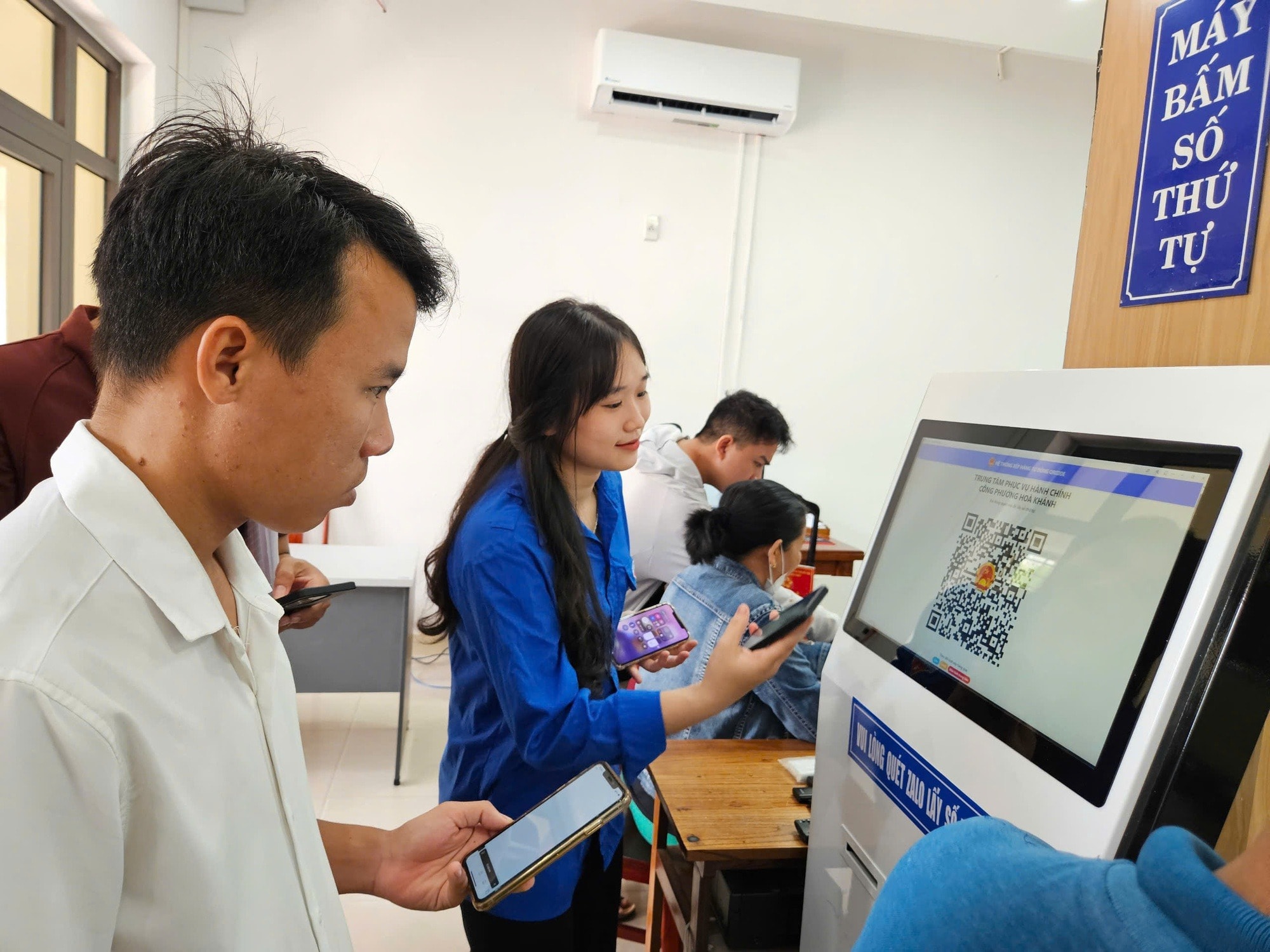
Third, digital transformation can be a powerful enabler of decentralization. As local authorities manage increasingly complex functions, integrated digital systems can help improve efficiency, transparency, and service quality. Continued investment in interoperability between government platforms, data digitization and user-centered digital services will help maximize the benefits of initiatives such as the National E-Service Portal.
More broadly, decentralization is a process of institutional learning and adaptation. Viet Nam has already demonstrated a strong commitment to modernizing public administration, and the first year of implementation has generated valuable experience that can inform future refinements. UNDP stands ready to continue supporting national and local partners through evidence, international experience and policy dialogue as the reform process evolves.
What are the decisive factors that will determine whether Viet Nam’s two-tier local government reform becomes a meaningful transformation in improving national governance? What do you think should be the ultimate goal of this reform?
Viet Nam's transition to a two-tier local government model represents a significant and forward-looking governance reform. From UNDP's perspective, its importance goes beyond institutional restructuring. It offers an opportunity to strengthen how public institutions serve people, making governance more responsive, effective, transparent and accessible.
International experience shows that the transformative impact of reforms is often determined not only by changes in institutional structures, but also by how successfully systems, capacities, resources and technologies evolve to support those changes. Sustained investment in capable local administrations, digital transformation, evidence-based decision-making and public service quality will therefore be important as the reform continues to mature.
Another important factor is inclusion. As implementation progresses, continued attention to the needs of all citizens - including older persons, persons with disabilities, women and people living in rural and remote areas - can help ensure that the benefits of the reform are shared broadly and equitably, and that no one is left behind.
Ultimately, the goal of the reform is not simply a different administrative structure. The goal is to create a governance system that responds more effectively to people's needs and aspirations, while building confidence in the quality and accessibility of public services.
Above all, governance reforms are about people and trust: trust that public institutions can deliver quality services, that citizens' voices are heard, and trust that institutional changes lead to tangible improvements in people's daily lives. If the reform strengthens that trust between citizens and the state, its impact will extend far beyond administrative reorganization and contribute meaningfully to Viet Nam's long-term development and the achievement of the Sustainable Development Goals.
Once again, thank you very much!