

Ho Chi Minh City Collects DNA Samples from Relatives of 6,927 Unidentified Martyrs
From November 12 to 17, the Ho Chi Minh City Police, in coordination with relevant agencies, will collect DNA biological samples from relatives of 6,927 martyrs whose identities remain unknown, in support of efforts to search for and identify martyrs’ remains.
This is the second round of DNA sample collection from relatives of unidentified martyrs, carried out by the municipal police as part of the National Steering Committee’s “500-Day-and-Night Campaign to Accelerate the Search, Recovery and Identification of Martyrs’ Remains” and the Ministry of Public Security’s peak campaign.
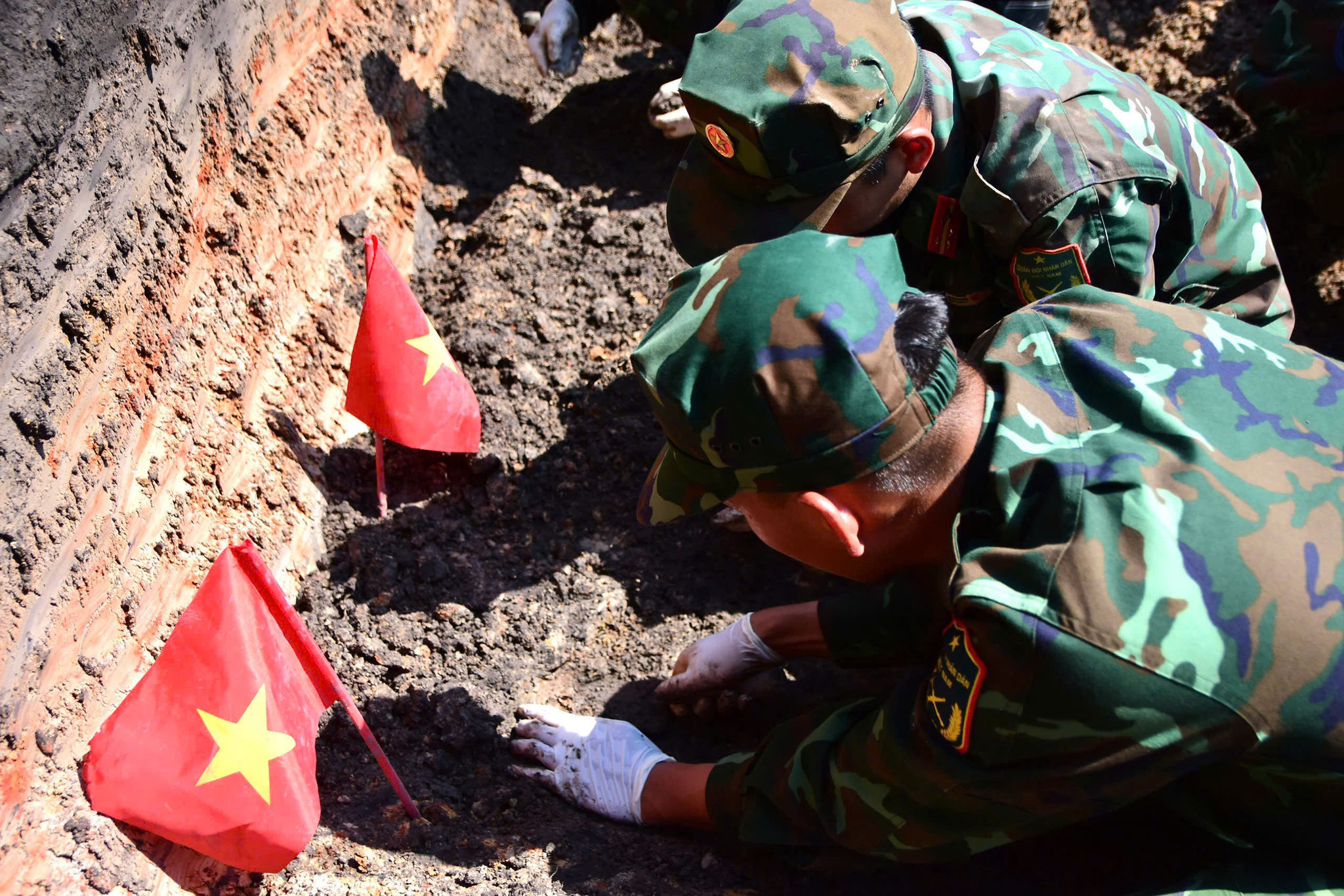
Previously, the Ho Chi Minh City People’s Committee issued Plan No. 401/KH-UBND on July 24, 2026, on reviewing and updating information and collecting DNA biological samples from relatives of martyrs whose identities have yet to be established.
Under the plan, the municipal police will take the lead, coordinating with the Department of Home Affairs, People’s Committees of wards, communes and special administrative zones, and relevant agencies to organize sample collection. The initiative aims to expand the DNA database of martyrs’ relatives, enabling genetic matching with DNA samples extracted from unidentified martyrs’ remains that have been recovered and buried at cemeteries nationwide. It also seeks to make effective use of the National Population Database and Project 06 in carrying out a task of profound political and social significance.
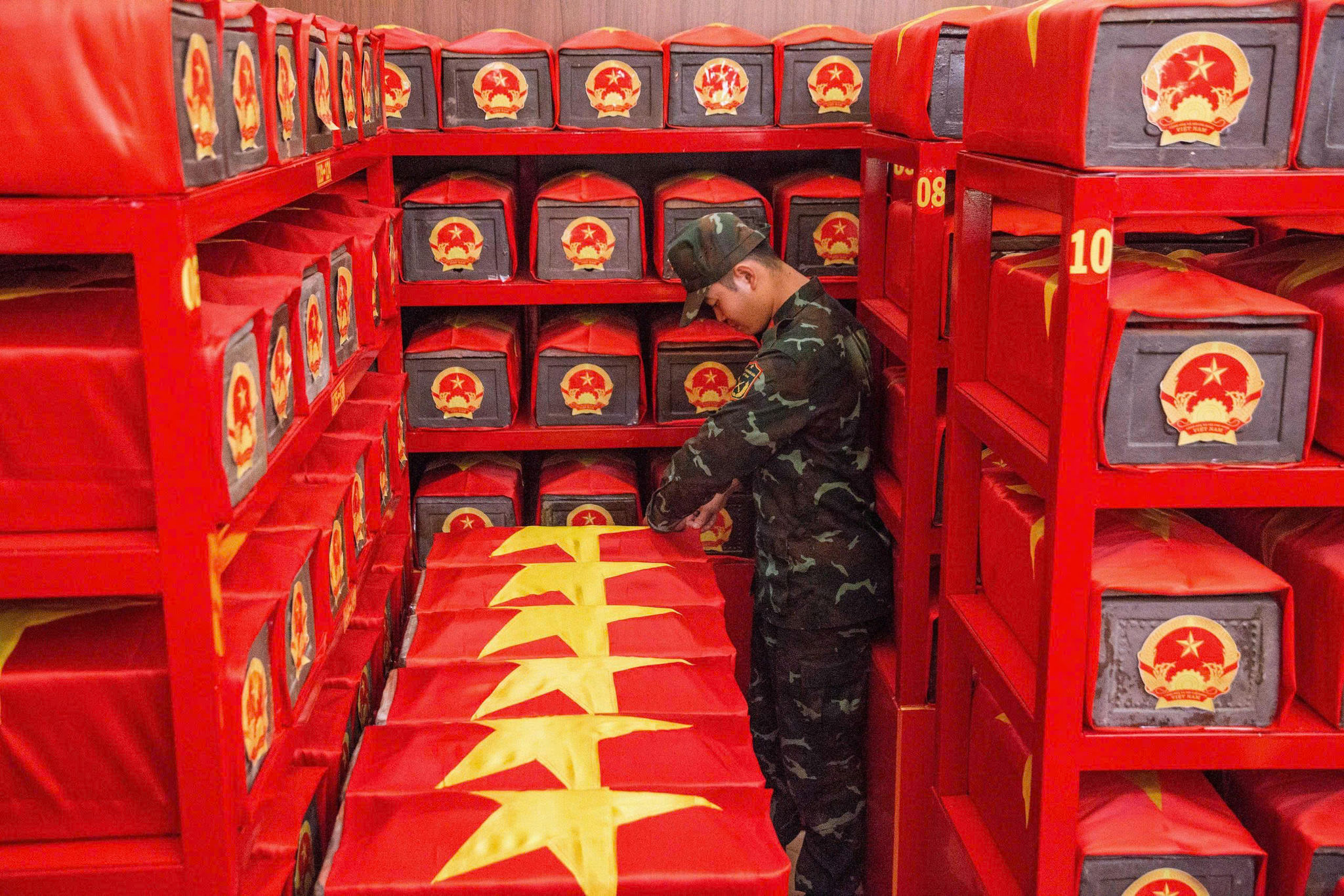
The eligible participants in this round are relatives of martyrs on the maternal side of their family, with priority given in the following order: the martyr’s biological mother; the biological mother of the martyr’s mother (maternal grandmother); the martyr’s full siblings who share the same biological mother; the martyr’s maternal uncles and aunts who are full siblings of the martyr’s mother; children of the martyr’s mother’s sisters; children of the martyr’s sisters; and biological children of female martyrs. Each martyr may have a maximum of two relatives registered for DNA sampling.
Sample collection is conducted on a voluntary basis, in compliance with professional procedures and with safeguards to ensure personal information is kept secure and confidential. The samples collected will contribute to building a DNA database of martyrs’ relatives, facilitating genetic matching and the identification of martyrs’ remains.
The initiative is expected to gradually fulfil the long-held hope of many families who have waited for decades to learn the names and hometowns of their loved ones who sacrificed their lives for the Fatherland.
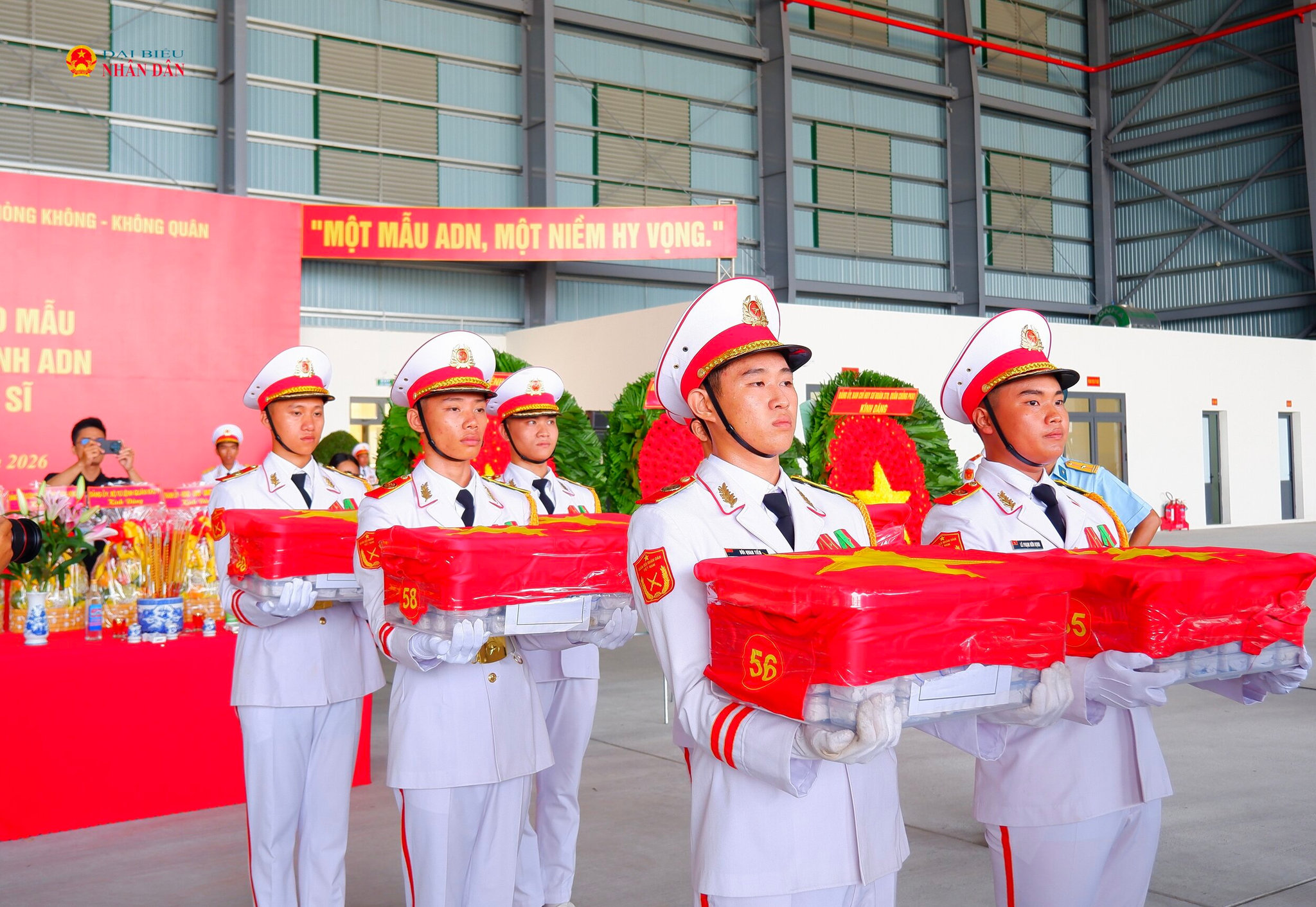
DNA samples will be collected from November 12 through November 17 at three locations corresponding to the areas before the recent administrative reorganization. Specifically:
- Station No. 1: The meeting hall of the Thu Dau Mot Ward People’s Committee.
- Station No. 2: The meeting hall of the Ba Ria Ward People’s Committee.
- Station No. 3: The meeting hall of the Phu Nhuan Ward People’s Committee.
For relatives who are facing financial hardship, are elderly or in poor health, or are unable to travel to the collection sites, the municipal police will deploy three additional mobile teams to visit their homes and collect samples in accordance with regulations.
The Ho Chi Minh City Police have called on martyrs’ families to actively cooperate, provide complete and accurate information, and voluntarily participate in DNA sample collection as instructed. Relatives can contact the police or the People’s Committee of the ward, commune or special administrative zone where they reside for detailed guidance on eligibility, procedures and sample collection locations.
The DNA sample collection initiative will not only improve the effectiveness of efforts to search for, recover and identify martyrs’ remains, but also demonstrate the city’s sense of responsibility and deep gratitude to those who sacrificed their lives for the independence and freedom of the Fatherland.