

Traditional grocery stores adapt to rise of modern retail
Traditional retailers do not necessarily need to expand or imitate modern chains. Instead, they should build on their existing strengths and meet the needs of specific customer groups.
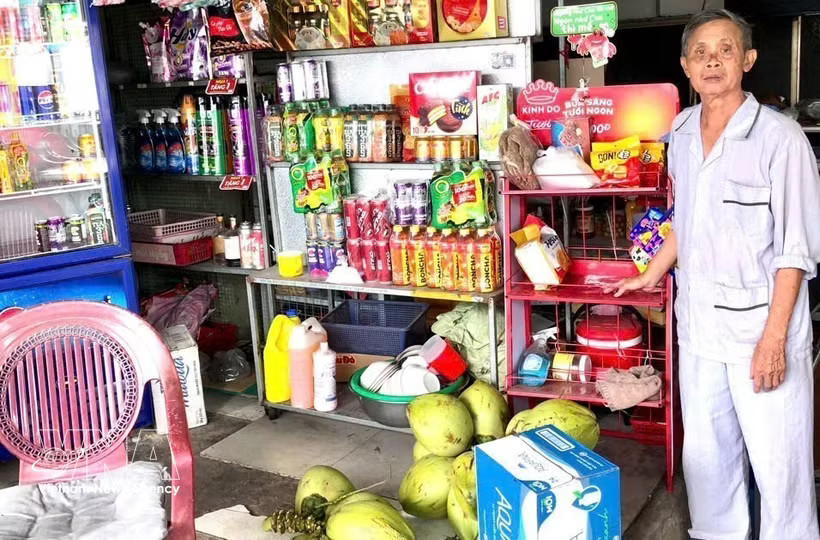
Vietnam’s retail market continues to expand, but the rapid growth of mini-supermarket chains, convenience stores and e-commerce is putting increasing pressure on traditional grocery stores. To survive, small businesses must improve sales, inventory management and customer service while choosing changes suited to their resources.
Competition intensifies in residential areas
According to the National Statistics Office, Vietnam’s total retail sales of goods and consumer service revenue reached an estimated 5.93 quadrillion VND (229 billion USD) in the first nine months of 2026, up 13.4% year-on-year. However, growth adjusted for price changes stood at only 7.8%, showing that actual purchasing power remains affected by price fluctuations and input costs. Retail sales of goods rose 12.8% to 4.46 quadrillion VND. Traditional grocery stores have long benefited from convenient locations and close relationships with local customers. However, modern retailers offer promotions, diverse products and more organised shopping experiences, making it increasingly difficult for small stores to compete on price.
Vuong Thi Mai, a grocery store owner in Huong Son commune, Hanoi, said customer numbers have fallen since a mini-supermarket opened nearby. Some products are sold at prices close to, or even below, her purchasing costs, leaving little room for small retailers to lower prices.
Slow-moving inventory also ties up limited capital, while reducing orders risks leaving customers with fewer choices. Many stores still rely on experience rather than digital tools to track sales, inventory and cash flow.
Adaptation for survival
Some store owners are responding by accepting orders by phone, delivering goods in surrounding areas and offering flexible payment arrangements to regular consumers.
Tan, who runs a grocery store in Hanoi's Ha Dong ward, said convenience remains a key advantage. Customers might visit supermarkets for promotions but still turn to neighbourhood stores for urgently needed daily essentials.
Associate Professor Dr. Dinh Trong Thinh said traditional retailers do not necessarily need to expand or imitate modern chains. Instead, they should build on their existing strengths and meet the needs of specific customer groups.
Practical measures include prioritising fast-selling essentials, reducing slow-moving stock, comparing suppliers and ensuring clear product origins. Simple sales-management software, QR-code payments and messaging applications can also improve efficiency without requiring substantial investment.
Stores should identify their competitive advantages, whether quick service, local delivery or products tailored to neighbourhood demand. However, delivery services and credit sales must be carefully managed to avoid higher costs and cash-flow risks.
For businesses with limited capital, the immediate priorities may be to reduce excess inventory, control outstanding debts and retain regular customers rather than invest heavily in technology.
The expansion of modern retail does not mean all traditional grocery stores must disappear. Their long-term survival will depend on adapting to changing consumer expectations, managing costs effectively and choosing business models that match their resources./.