

Tourism development incentives must be truly distinctive and exceptional
On the morning of November 7, during a group discussion of the draft National Assembly Resolution on specific mechanisms and policies for tourism development, held by Group 10 (the National Assembly delegations of Ninh Binh Province and Hue City), National Assembly Vice Chairwoman Nguyen Thi Thanh called for a thorough review of the proposed incentives to ensure they are genuinely distinctive and exceptional. She also stressed the need to fully quantify their budgetary impacts, clearly define eligibility conditions and assess expected outcomes.
Thoroughly reviewing incentives to ensure they are distinctive and exceptional
Speaking at the group discussion, National Assembly Vice Chairwoman Nguyen Thi Thanh emphasized that the development of specific and exceptional mechanisms and policies should aim to translate into action the Politburo's Resolution No. 26-NQ/TW on developing tourism into a key economic sector in the new era.

According to the Vice Chairwoman, policies that are already provided for under current regulations and being implemented effectively should not be included again in the new Resolution. Instead, priority should be given to mechanisms offering additional incentives or to existing policies that have encountered obstacles and have yet to be implemented, with a view to reviewing and adjusting them.
On that basis, she called for a thorough review of every provision in the draft Resolution to ensure that the proposed policies are genuinely necessary, well-founded and feasible.
Regarding tax incentives and land rental exemptions or reductions, she said it was necessary to clearly identify the additional benefits compared with existing regulations and assess their expected impact on investment attraction and tourism product development. In particular, for policies exempting or reducing land rental payments for key driving-force projects, the additional level of support should be clarified, given that current legislation already provides several support mechanisms and policies for this sector.
For new policies not covered by Politburo Resolution No. 26-NQ/TW, the Vice Chairwoman proposed reviewing their legal and policy foundations, conducting comprehensive impact assessments, clearly explaining their necessity and considering reporting to and seeking approval from the competent authorities in accordance with regulations.
Regarding the authority to decide on incentives, she expressed support for assigning the Government responsibility for specifying the details, based on the eligibility criteria, types of incentives, applicable ranges and ceilings, and implementation periods determined by the National Assembly.
Prioritizing projects that generate sustainable tourism value
Regarding the classification of projects eligible for incentives, Nguyen Thi Thanh called for careful consideration of the draft Resolution's proposed three categories: high-quality projects, driving-force projects and strategic driving-force projects.
In particular, for strategic driving-force projects proposed to receive a wide range of specific and exceptional incentives, she urged the Government to clarify their necessity, policy rationale and expected benefits in proportion to the additional incentives granted. Should this proposal be retained, a comprehensive assessment of its budgetary impact would be required, along with clearly defined eligibility conditions and incentive periods, providing the National Assembly with sufficient grounds for consideration and decision.
Another issue highlighted by the Vice Chairwoman was how to determine the value of tourism-related components within a project's total investment. This is a factor directly related to eligibility for incentives, but quantifying it in practice is not straightforward.
She therefore proposed assigning the Government responsibility for establishing clear criteria to determine the proportion and composition of tourism-related components, preventing projects from receiving incentives when their actual investment in tourism does not meet the required standards.
At the same time, the granting and continuation of incentives should be tied to implementation progress and the actual operation of tourism facilities. Specific, verifiable performance indicators should be established, together with clear provisions on post-implementation monitoring and accountability.
Alongside large-scale investment projects, Nguyen Thi Thanh called for consideration of more substantial incentives for projects with high exploitation potential and investment efficiency, such as community-based tourism and tourism associated with cultural heritage, arts, cuisine and wellness.
According to the Vice Chairwoman, these areas can generate high added value and create sustainable employment, while avoiding the depletion of natural resources. Incentive policies should therefore give greater consideration to projects that contribute to the preservation and promotion of cultural and historical heritage, rather than focusing solely on the scale of investment capital.
Fully quantifying budgetary impacts to ensure policy effectiveness
Regarding implementation resources, Nguyen Thi Thanh agreed with the approach that the State budget should play a guiding role, while social and business resources should serve as the primary sources of funding. However, she stressed that the overall impact of the entire policy package must be fully calculated, including both reductions in budget revenues and support expenditures.
According to the Vice Chairwoman, the dossier accompanying the draft Resolution does not yet clearly quantify the reductions in State budget revenues resulting from tax incentives and land rental exemptions or reductions. It is therefore necessary to assess in detail the budgetary resources required, the expected revenue losses and the additional value that the policies could generate. Without these figures, the impact assessment of the Resolution would remain incomplete.
On that basis, she called on the Government to supplement the assessment with scenarios covering the number of projects in each category, reductions in tax and land rental revenues, and expenditure requirements for each year and each level of government. These calculations should also take into account the impact of incentives that would continue to apply after the Resolution expires.
At the same time, the Government should make evidence-based forecasts of additional revenues generated by tourism and when these revenues are expected to materialize, thereby providing a sound basis for appropriate budget planning.
Regarding the night-time economy and new tourism models, the Vice Chairwoman proposed studying pilot mechanisms that clearly define the policies and operating principles for each type of activity, including regulated tourism activities, to ensure practical feasibility.
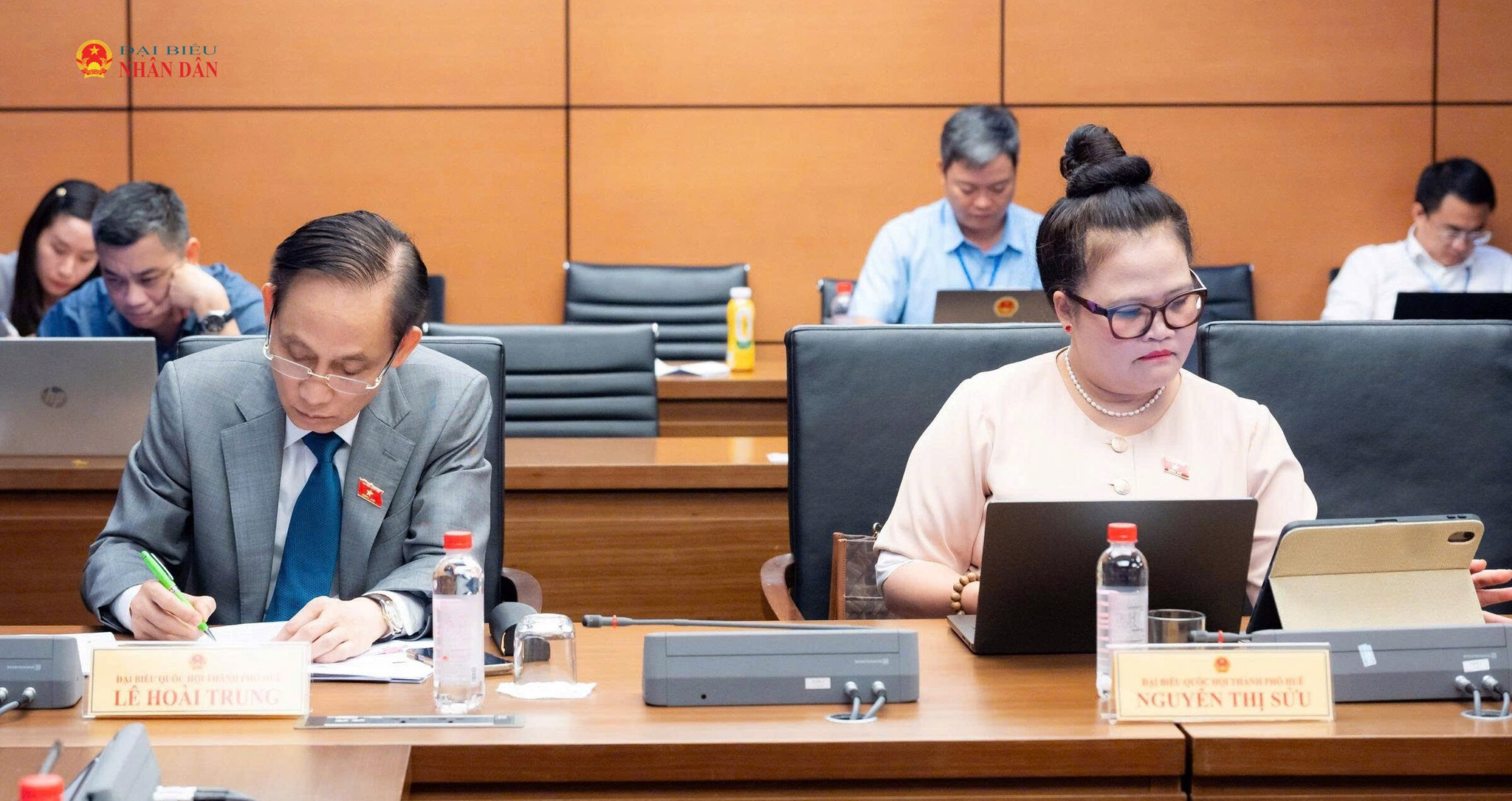
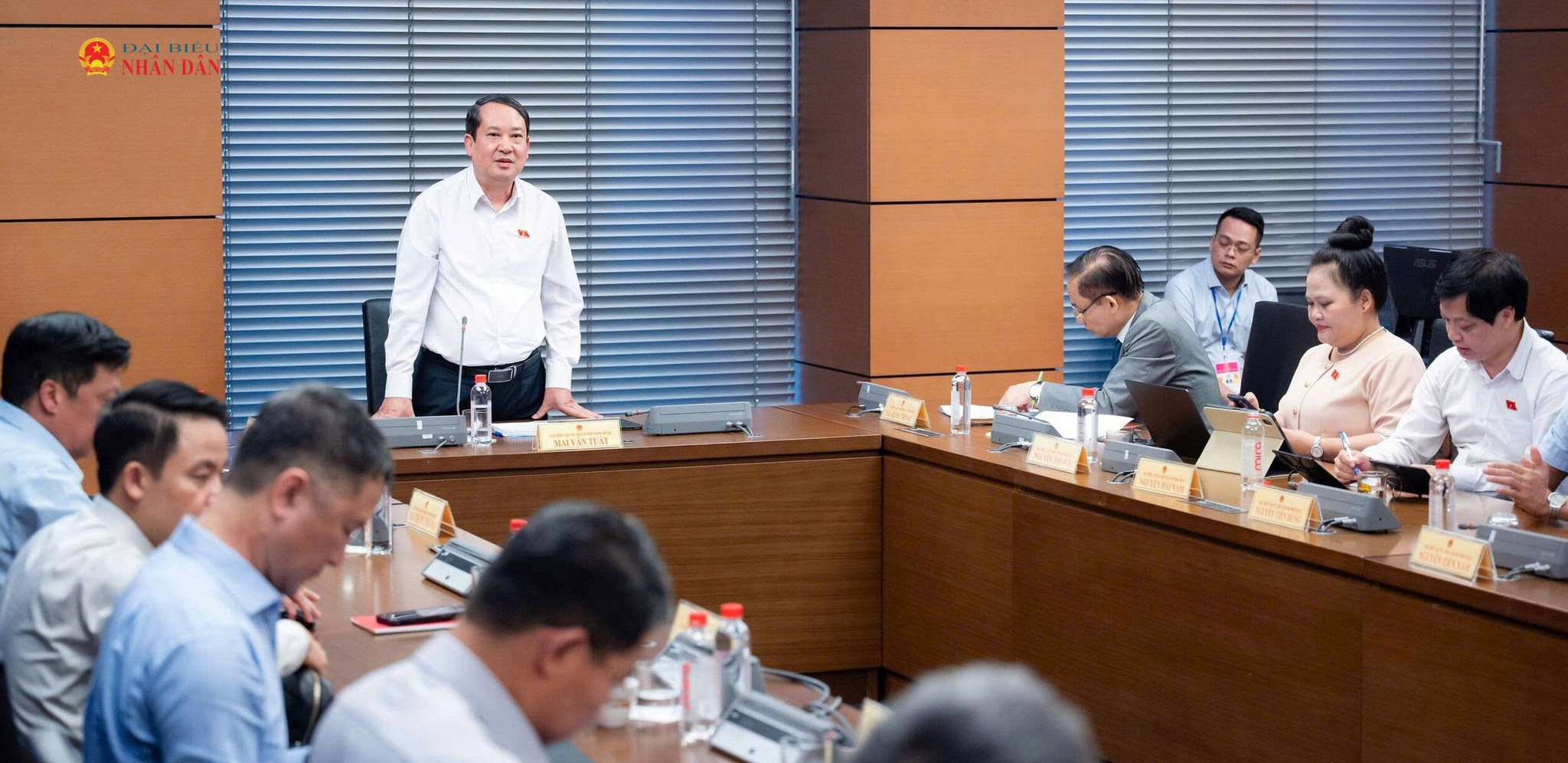
Delegates participate in the discussion at Group 10.
Regarding the implementation period, she proposed piloting the Resolution for five years, followed by a review and evaluation of its effectiveness before reporting to the National Assembly for consideration of whether to continue applying or adjust the policies.
According to Nguyen Thi Thanh, this would provide an appropriate timeframe for the Government, relevant management agencies and businesses to assess the effectiveness of the specific mechanisms and policies, as well as investment projects in the tourism sector.
The Vice Chairwoman also called for a clear distinction between the validity period of the Resolution and the implementation period of individual policies. These are two different matters. The expiry of the Resolution does not necessarily mean that all policies under it must expire at the same time, as individual policies may have their own implementation periods, while the Resolution itself may remain in force for a longer period.