

Top leader's address marking 80 years of Vietnam’s first Constitution
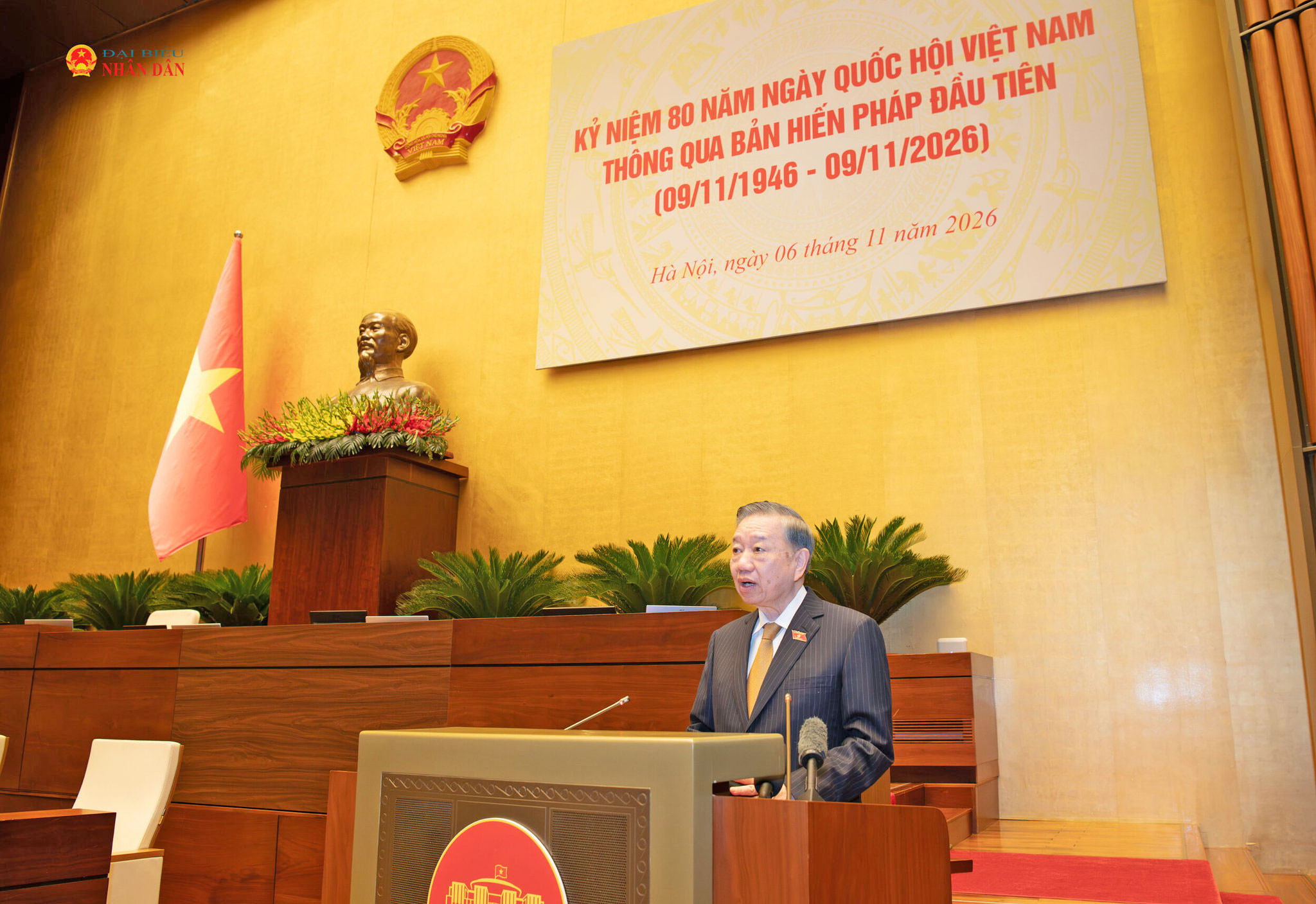
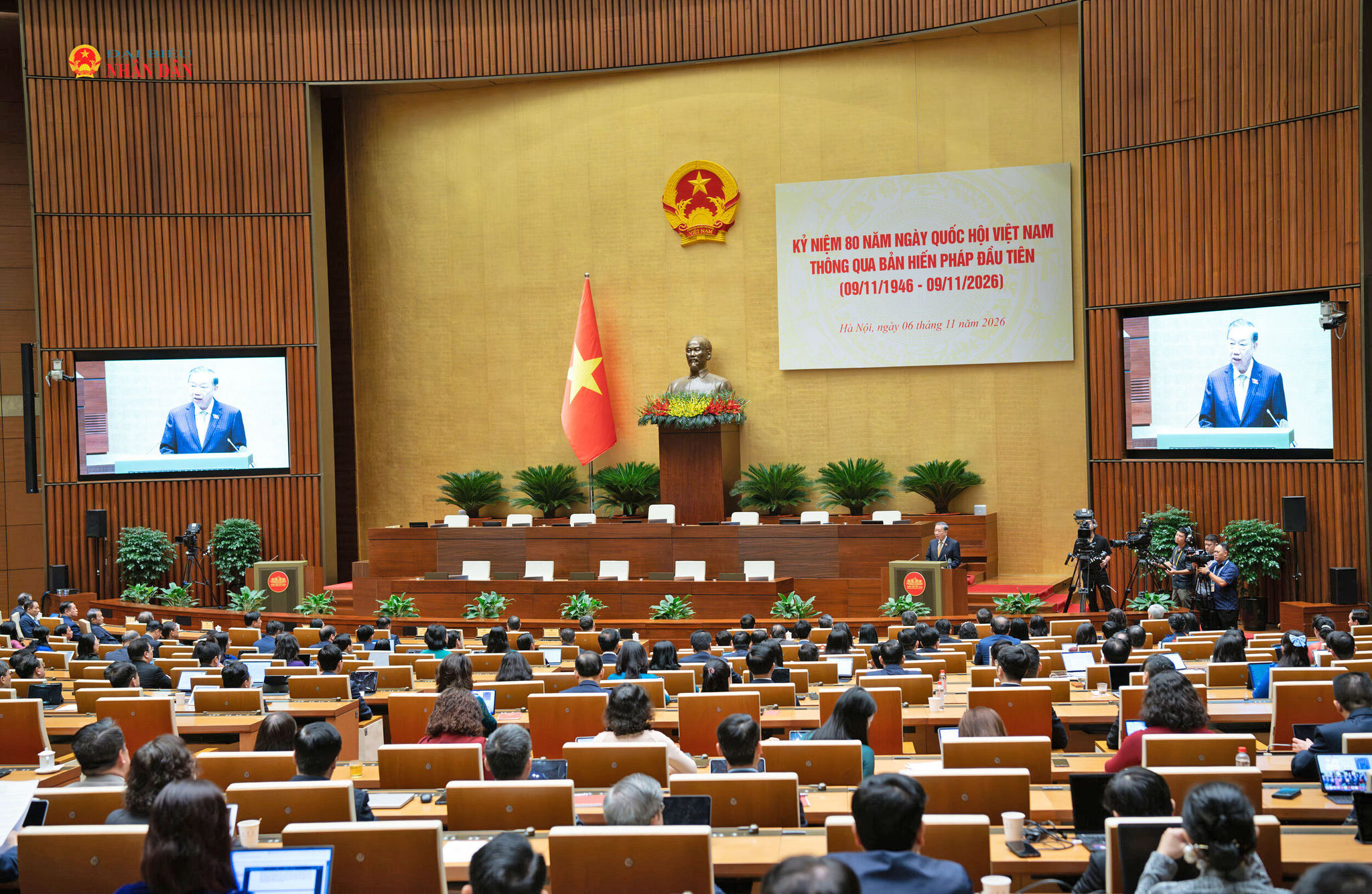
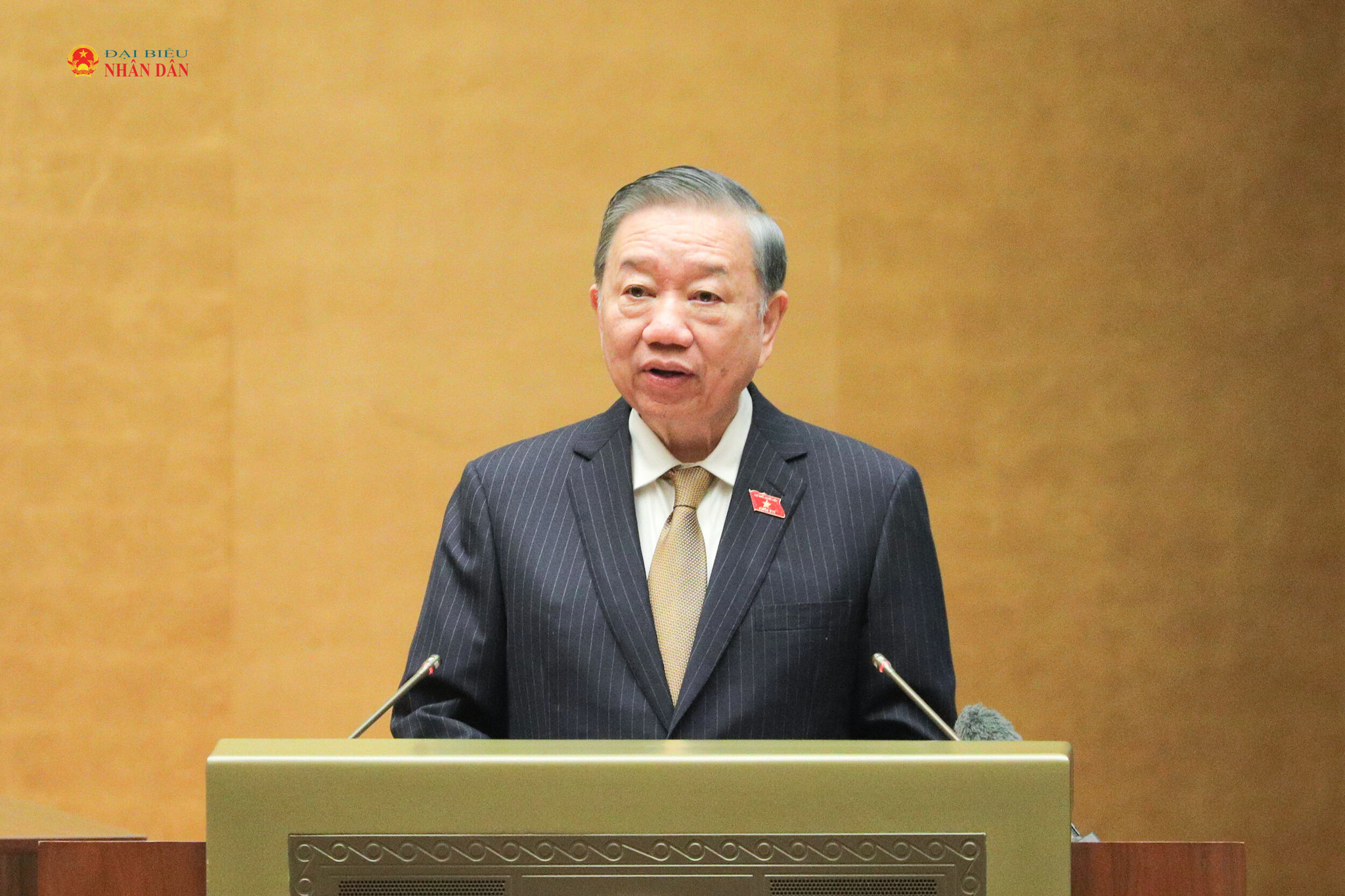
Editorial Note: On the morning of November 6, the National Assembly solemnly held a ceremony marking the 80th anniversary of the adoption of Vietnam’s first Constitution (November 9, 1946 – November 9, 2026). The People’s Deputies Newspaper respectfully presents the full text of the address delivered by General Secretary and State President To Lam at the ceremony.
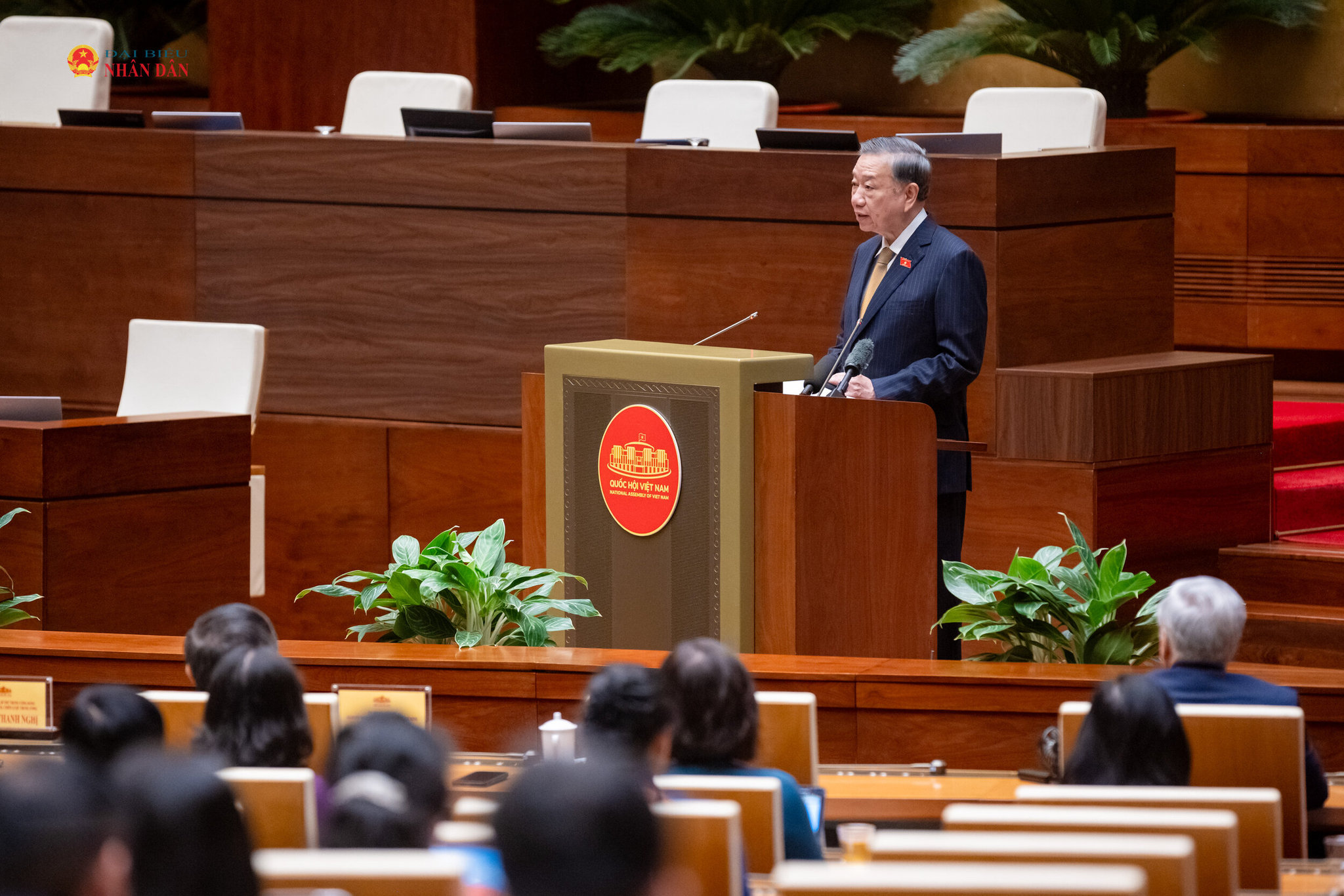
Distinguished leaders of the Party, State, National Assembly and Vietnam Fatherland Front,
Distinguished National Assembly deputies, compatriots and comrades,
Today, we solemnly commemorate the 80th anniversary of the adoption by the National Assembly of the first Constitution of the Democratic Republic of Vietnam. This occasion provides an opportunity to reflect on the country’s constitutional journey and reaffirm our responsibility to continue building a socialist rule-of-law state of the people, by the people and for the people, under the leadership of the Party.
On this occasion, we pay our deepest tribute to the great President Ho Chi Minh, the brilliant leader of our Party and nation, the Hero of National Liberation and an outstanding man of culture, who laid the foundations for the Democratic Republic of Vietnam and the country’s constitutional development.
We also express our profound gratitude to the First National Assembly and generations of deputies across successive terms who made tremendous contributions and sacrifices to the cause of building and defending a state of the people.
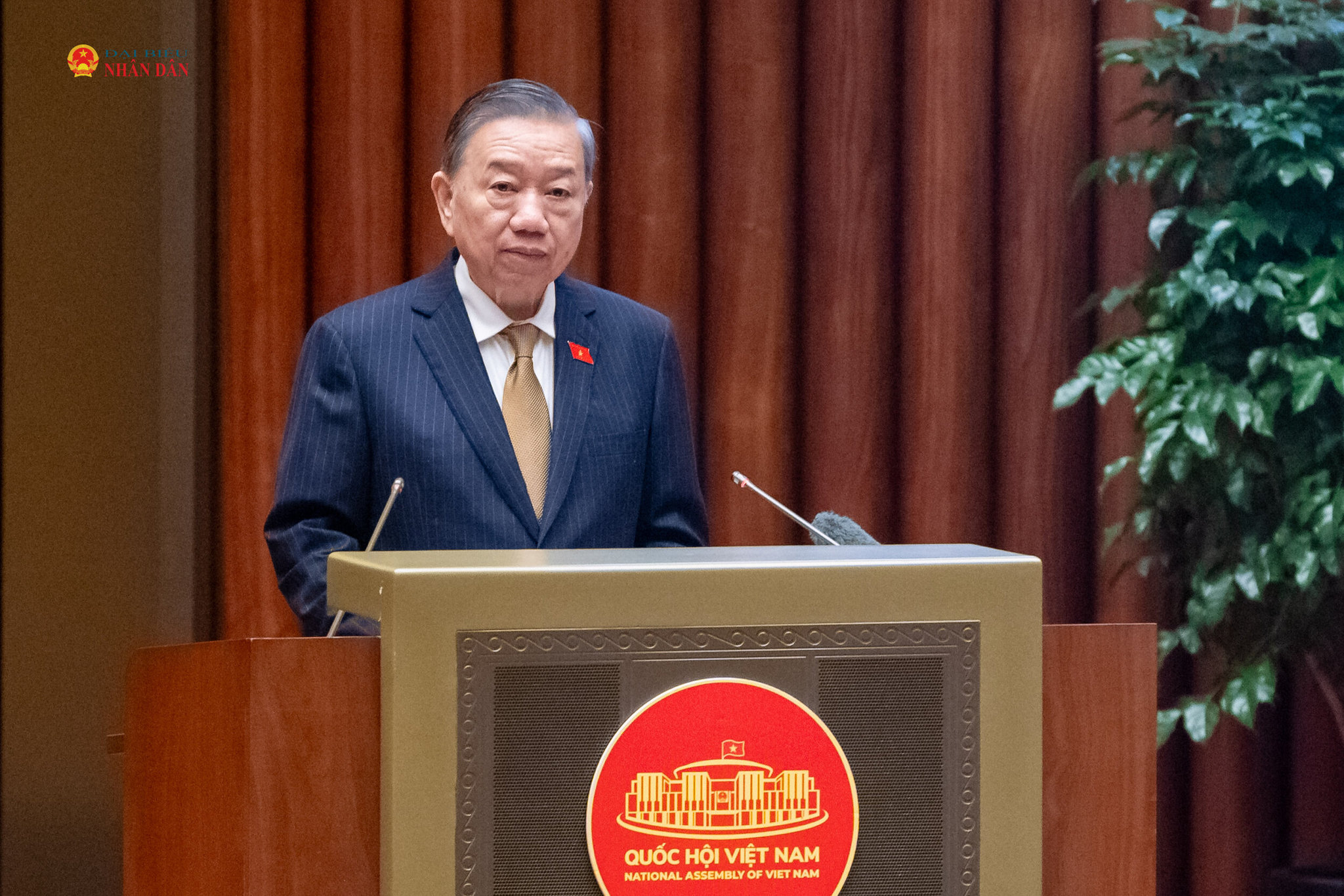
Distinguished deputies, compatriots, voters and comrades,
During his search for a path to national salvation, leader Nguyen Ai Quoc (later President Ho Chi Minh) early on recognized the importance of constitutions and laws. In his poem Vietnam’s Demands, he wrote: “Seventh, promulgate a Constitution, for all things must be governed by the rule of law.” This thinking reflected the imperative of guaranteeing the people’s rights to independence, freedom and democracy through the Constitution and the law.
Immediately after independence was won, amid countless difficulties, our Party and President Ho Chi Minh attached particular importance to organizing a General Election and drafting a Constitution. Independence had to be consolidated through a state with a solid legal foundation, while the people, having just escaped the status of slaves, had to be established as the masters of their own country.
On November 9, 1946, at its Second Session, the First National Assembly adopted the country’s first Constitution, affirming that state power belonged to the people. National solidarity, the guarantee of civil and democratic freedoms, and the establishment of a strong and enlightened government of the people were enshrined as fundamental principles of the new state.
The profound historical significance of this event lay in linking the achievement of national independence with the people's right to mastery and the organization of government under a Constitution. The spirit of great national unity was crystallized alongside the principles of equality among citizens and the guarantee of democratic rights, providing a legal foundation for mobilizing the strength of the entire nation in the resistance and national reconstruction efforts.
The strength of the State originates from the people and must be exercised in their service. A capable and accountable government is essential to protecting democratic rights, while the people's trust, participation and oversight provide the strength that enables the State to fulfil its responsibilities. This is an important legacy of the 1946 Constitution for the building of today's socialist rule-of-law state.
Throughout the various stages of the revolution, the core values of the 1946 Constitution have been inherited and developed in the process of building and improving the State under the Party's leadership. The 2013 Constitution, together with the amendments and supplements to certain provisions in 2025, continued to institutionalize advances in our understanding of how state power should be organized and exercised.
Throughout this process, human rights and citizens' rights have received increasing attention, while the organization and operation of the State have gradually been renewed. Successive National Assemblies have made important contributions to translating the Party's guidelines into law, improving the legal system, overseeing state activities and turning the people's will and aspirations into national decisions.
The 80th anniversary of the first Constitution is also an occasion to further uphold the foundational values of Vietnam's constitutional tradition: national independence linked with the people's right to mastery; and state power belonging to the people and being organized and exercised in accordance with the Constitution and the law.
Inheriting the constitutional legacy requires steadfast commitment to these foundational values while proactively pursuing reform based on practical experience. The stability of these fundamental values and principles ensures continuity in the organization and operation of the State, providing a firm legal foundation on which individuals and businesses can confidently pursue and implement their long-term plans.
Research into and improvements to the Constitution must be thoroughly prepared, meeting the country's development requirements and strengthening the people's confidence.
Distinguished deputies, compatriots and comrades,
The 14th National Party Congress identified major tasks for achieving the country's development goals by 2030, with a vision to 2045. Science and technology are profoundly transforming daily life and governance. Meanwhile, a complex and changing international environment places greater demands on national autonomy and the protection of the Fatherland.
The country needs a coherent and feasible institutional framework, together with a capable administrative apparatus that can effectively implement the Party's guidelines and policies, as well as the State's policies and laws, turning development goals into tangible results.
Resolution No. 27 sets out comprehensive requirements for continuing to build and improve the socialist rule-of-law state of Vietnam. Resolution No. 66 identifies reforming lawmaking and law enforcement as a key task for achieving an institutional breakthrough. Institutionalizing these directions must go hand in hand with strengthening governance capacity, promoting democracy, and protecting justice, human rights and citizens' rights.
We have achieved many important results, but gaps remain between regulations and their implementation, as well as between assigned authority and the resources and capacity available to exercise it. In some places, responsibilities remain unclear and coordination is insufficient, while people's legitimate interests are not addressed in a timely manner. These shortcomings call for the comprehensive improvement of mechanisms governing the exercise of power, inspection, oversight and accountability.
As the new organizational model is put into operation, authorities must be exercised effectively to ensure the smooth handling of public affairs and improve the quality of public services. The Constitution must be consistently upheld in legislative, executive and judicial activities.
I would like to emphasize the following major orientations:
First, ensure that the Constitution is respected and strictly implemented, while proactively studying and proposing constitutional improvements.
The Constitution is the fundamental law of the State and has the highest legal authority. All lawmaking activities, the organization of the state apparatus and the exercise of state power must comply with the Constitution. All agencies and officials vested with authority must operate within the framework of the Constitution and the law, and be accountable for carrying out their assigned duties and powers.
The National Assembly and its bodies must uphold their responsibilities and ensure the constitutionality of the legal system. The review, deliberation and adoption of policies must take full account of constitutional foundations, particularly on matters concerning the organization of state power, human rights and citizens' rights.
Oversight of compliance with the Constitution must be strengthened, with violations promptly identified and addressed or referred to the competent authorities for action. Such action must include remedying the consequences and clarifying responsibility.
State power is unified, with a division of responsibilities, coordination and control among state agencies in the exercise of legislative, executive and judicial powers. Responsibilities must be clearly defined, coordination ensured, and the exercise of power strictly controlled. Both overstepping authority and evading responsibility, which undermine people's legitimate interests, must be addressed.
The delegation and decentralization of powers must be accompanied by adequate implementation conditions and appropriate oversight mechanisms. Agencies entrusted with authority must be accountable for their decisions. Greater autonomy must not mean arbitrary exercise of power or diminished accountability.
Party committees must lead and oversee the institutionalization and implementation of the Party's guidelines. Party organizations and members must set an example by complying with the Constitution and the law and remaining subject to public oversight.
In implementing the Politburo's orientation set out in Conclusion No. 17, a comprehensive review of the implementation of the 2013 Constitution must be undertaken, laying the theoretical and practical groundwork for studying and proposing a comprehensive constitutional revision. This review must also assess the provisions amended and supplemented in 2025, clarifying which values should be retained and which issues require further improvement.
This process must take place under the Party's leadership, draw on the collective wisdom of the people, and be conducted in a scientific, democratic and prudent manner, in strict accordance with the prescribed authority and procedures.
Research into constitutional amendments must go hand in hand with the strict implementation of the current Constitution. The overarching objective is to consolidate the political and legal foundations of the system, guarantee the people's right to mastery and meet the country's long-term development requirements.
Second, continue to promote the people's right to mastery and respect, protect and guarantee human rights and citizens' rights.
The people are the subjects of state power. Their right to mastery must be guaranteed through participation in policymaking, oversight of public authorities and decision-making on matters as prescribed by the Constitution and the law.
The National Assembly is the highest representative body of the people and the highest organ of state power of the Socialist Republic of Vietnam. This responsibility must be reflected in decisions that serve the people's interests and the country's long-term development. Each deputy must maintain close ties with voters, faithfully convey their legitimate aspirations, while considering issues from the perspective of the country's common interests. Receiving petitions must go hand in hand with monitoring and overseeing how they are addressed. Voters' trust demands continuous accountability throughout each deputy's term of office.
The Vietnam Fatherland Front and socio-political organizations must improve the quality of their oversight and social criticism. State agencies must clearly respond to and explain how they address people's opinions, promptly correct shortcomings and remedy violations.
The value of constitutionally guaranteed rights must be reflected in people's ability to exercise those rights and in the effective protection afforded to every individual. Policies on education, healthcare and social welfare, as well as resource allocation, must help ensure fairness and expand development opportunities, particularly for disadvantaged groups and communities in difficult areas.
Judicial agencies must fully discharge their responsibilities for protecting justice, human rights and citizens' rights within their respective functions and authority; ensure that judges and trial panels are independent and subject only to the law; improve access to justice and prevent wrongful convictions and miscarriages of justice. All acts that violate human rights and citizens' rights must be dealt with in accordance with the law.
The legitimate rights and interests of organizations and individuals that have been violated must be protected and restored, with compensation for damages provided in accordance with the law. Citizens' rights are inseparable from their obligations. The exercise of rights must respect the legitimate rights and interests of others, as well as the interests of the nation and the people.
Third, continuously improve the quality of institutions and national decisions on the foundation of the Constitution to meet long-term development requirements.
Improving the legal system must fully translate constitutional principles into law, ensure consistency across the legal framework and strengthen coherence among different sectors. One regulation must not open the way for development while another creates barriers. Conditions must be created for responsible innovation and creativity, with risks controlled in the public interest and unreasonable obstacles to development removed.
The National Assembly must improve the quality of its decisions on major national issues, placing each decision within the broader framework of the country's development strategy. Decisions on budgets, investment and resource use must take full account of efficiency, resource availability and their impact on different social groups. Development today must build greater capacity for tomorrow, ensuring that short-term interests do not undermine the environment, stability or opportunities of future generations.
The submission, review and discussion of policies must be based on practical evidence, comprehensive impact assessments, and clear explanations of available options and implementation conditions. The Government, agencies submitting policy proposals and reviewing bodies must be accountable for their proposals and recommendations, ensuring objectivity and firm positions while preventing narrow interests from distorting policy objectives.
When deciding on major foreign policy issues, the National Assembly must safeguard national interests, strengthen strategic autonomy and provide a legal foundation for international integration, while ensuring the full implementation of international commitments. It must closely oversee the outcomes of major policy decisions, the use of resources and implementation responsibilities, clearly distinguishing between policy shortcomings and weaknesses in implementation.
Problems identified through investigation, prosecution, adjudication and judgment enforcement must be compiled to inform recommendations for legal improvements. Oversight recommendations must clearly specify the corrective measures required, the responsible parties and deadlines for implementation.
Distinguished deputies, compatriots and comrades,
Eighty years ago, the First National Assembly crystallized the will, wisdom and aspirations of the people in the country's first Constitution. Our responsibility today is to uphold that legacy by building a socialist rule-of-law state that is clean, capable of taking action, enabling and promoting development, and accountable to the people through decisions that safeguard national interests and expand development opportunities for future generations.
I firmly believe that, under the Party's leadership and with the strength of great national unity, the National Assembly and other state agencies will successfully fulfil their responsibilities.
The spirit of the 1946 Constitution must be reflected in the way power is exercised, the dedication with which public service is delivered and the continuous improvement of people's lives. This is a worthy continuation of our constitutional legacy, contributing to the building of a prosperous, civilized and happy country, steadfastly advancing towards socialism.
I wish all comrades, distinguished delegates, compatriots and members of the armed forces across the country good health, happiness and success.
Thank you very much.