

Thailand launches low-carbon rice production initiative
The Bio-Circular-Green (BCG) economic model, covering a pilot area of 50,000 rai (about 8,000ha) across eight provinces in central Thailand, aims to tap into the lucrative international green agriculture market and secure a foothold in the global carbon credit ecosystem.
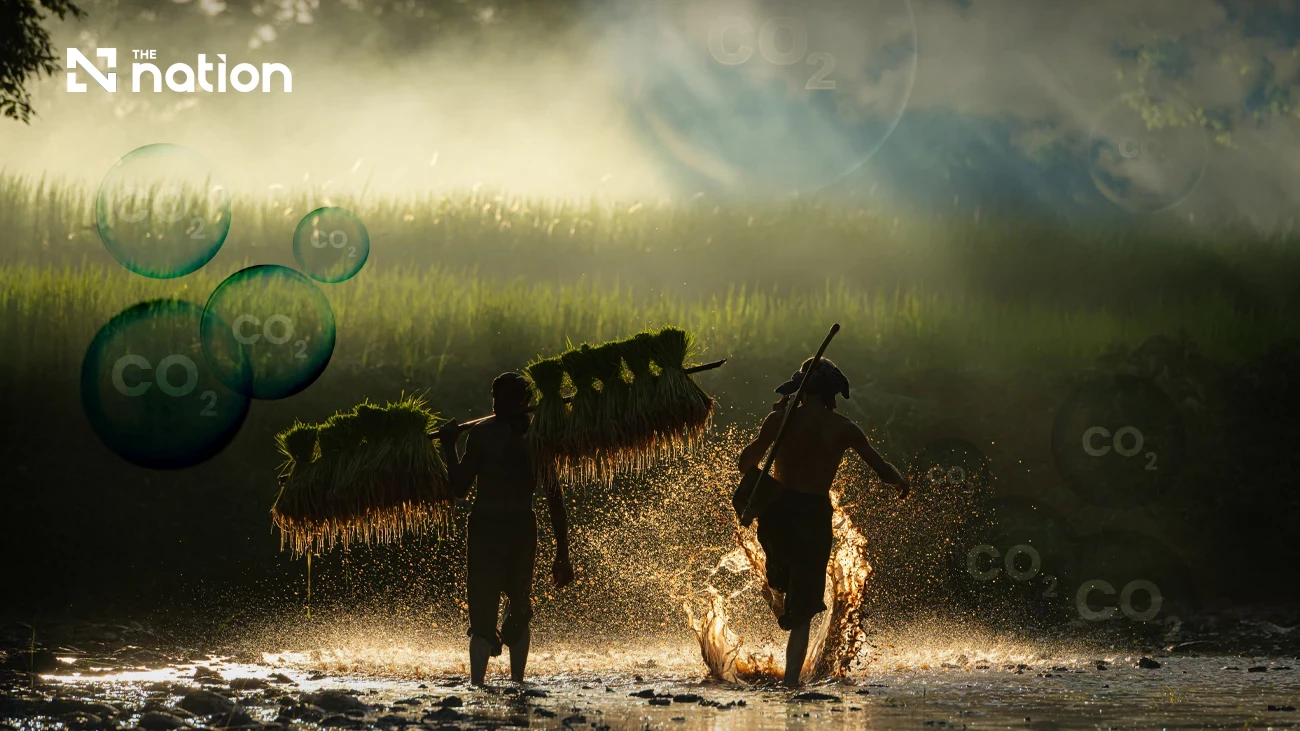
Thailand's Phranakhon Si Ayutthaya Rice Research Centre is actively implementing the Bio-Circular-Green (BCG) economic model to pioneer low-carbon rice production.
The government-backed initiative, covering a pilot area of 50,000 rai (about 8,000ha) across eight provinces in central Thailand, aims to tap into the lucrative international green agriculture market and secure a foothold in the global carbon credit ecosystem.
Director of the Phranakhon Si Ayutthaya Rice Research Centre Noppadol Prayoonsuk announced the strategic roadmap following a high-level consultation meeting attended by leading agricultural researchers and representatives from the National Rice Science Institute and the Rice Protection Research Group.
At the core of this eco-friendly agricultural drive is the scaling up of modern farming technologies. Funded by the Thailand Science Research and Innovation (TSRI) and the Agricultural Research Development Agency (ARDA), the project promotes modern rice cultivation through three key measures: improved alternating wetting and drying (AWD) techniques to cut methane emissions, precision fertilisation to reduce chemical use and costs, and residue management to eliminate open-field burning.
Noppadol said central Thailand has enormous potential for developing a low-carbon rice production system, thanks to its extensive irrigation network, vast contiguous farmland and farmers’ ability to adopt modern agricultural technologies.
The transition to low-carbon farming is being driven by changes in international trade dynamics. As global demand for environmentally certified agricultural products continues to rise, Thailand’s traditional rice industry faces increasing pressure to innovate to maintain its competitiveness.
Noppadol emphasised that aligning production practices with international climate targets would not only strengthen the Thai rice industry's reputation in export markets but also create additional income opportunities for farmers through future carbon credit mechanisms./.