

Reducing policy lags and unlocking business resources
Following the National Assembly's plenary session on the socio-economic situation and state budget on October 30-31, experts and business representatives generally agreed with the opinions and proposals of the delegates; while emphasizing the need to shorten policy delays, remove bottlenecks in capital and mechanisms to unlock resources and create favorable conditions for business development.
Dr. Nguyen Quoc Viet, Public Policy Expert, Lecturer at the School of Economics , Vietnam National University, Hanoi: Genuine reform must be measured by the business experience

Having followed the National Assembly's discussion on the socio-economic situation and the state budget, I agree with the delegates' emphasis on the need for substantive reforms and timely support policies to alleviate difficulties for citizens and businesses.
We highly commend the Government and the National Assembly for their timely response to the difficulties faced by the people and businesses. The 30% reduction in corporate income tax provides businesses with better conditions for recovery and preparation for growth in 2027. Furthermore, improved access to capital and credit will support businesses and households in restoring operations in the last quarter of 2026, creating momentum for the next phase.
However, in order for support policies to be truly effective, I believe special attention must be paid to implementation. As delegates have mentioned, administrative procedure reform must be substantive, assessed based on the experiences of businesses when interacting with state management agencies and accessing support resources. Businesses themselves are the key factor in determining whether the reduction of administrative procedures and compliance costs is truly effective.
Along with supporting existing businesses, I believe the government 's efforts, especially those of the Tax Department, to alleviate the bottlenecks caused by dissolved and bankrupt businesses are a very important policy. We have reformed the business environment to facilitate business entry into the market, and we also need to create conditions for businesses to selectively withdraw. This will be a boost, giving businesses and individuals the opportunity to restructure and return to the market more easily, thereby contributing to overall growth targets.
Another issue of concern to delegates was reducing interest rates to lower capital costs and facilitate cash flow for production and business. I believe that the reduction of approximately 1.5-2% per year in lending interest rates is a significant effort by the entire banking system. However, more importantly, it is crucial to guide credit flows and maintain reasonable interest rates that are appropriate for actual production and business activities. At the same time, we must remain cautious about bad debts and risks in the financial and banking system. These are issues that need attention to ensure that support for growth goes hand in hand with guaranteeing macroeconomic stability and system safety.
Chairman of the Gia Lai Province Business Association, Nguyen Van Hoc: Increase dialogue and clarify responsibilities for addressing business concerns
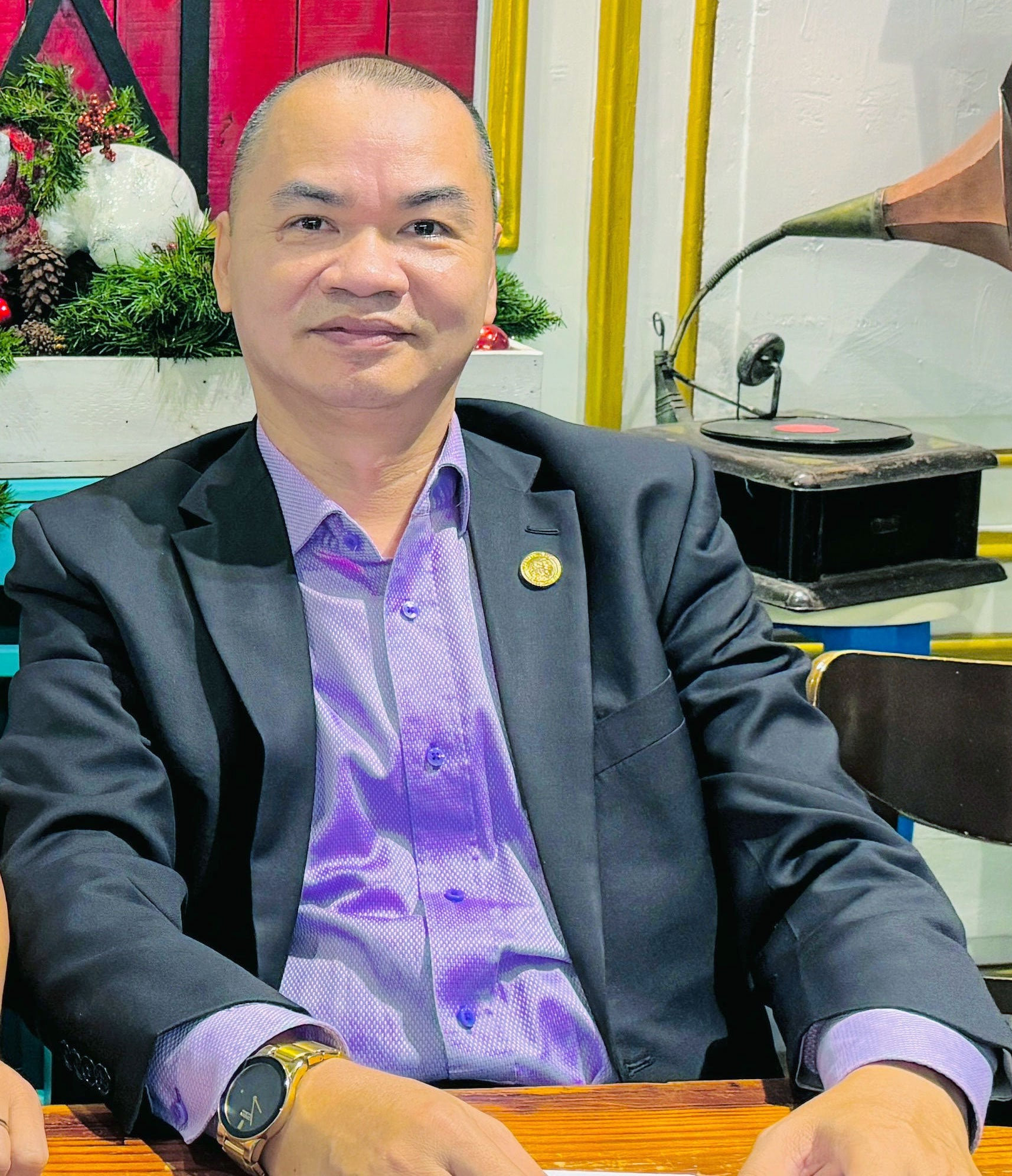
Following the discussion session, we highly appreciated the frankness and responsibility of the delegates, demonstrated through 58 speeches and 2 debates. Vice Chairwoman of the National Assembly Nguyen Thi Hong flexibly and proactively managed the session, allocating time so that delegates with registered members could speak; those not yet having their turn could submit their opinions in writing for compilation. This management style facilitated the reflection of many practical opinions in the parliamentary session. Notably, the delegates not only discussed growth targets but also delved into the conditions for their implementation, from the ability to mobilize and absorb capital to the efficiency of public investment and resolving outstanding projects.
We also agree with the proposal of National Assembly Vice Chairwoman Nguyen Thi Hong that the Government should study and incorporate the opinions of delegates in its leadership and management; concretize them into tasks and solutions, clearly define responsibilities, deadlines for implementation, and expected results for the National Assembly to monitor.
Based on our business experience, we believe it is necessary to continue simplifying administrative procedures and overcome delays in policy response and implementation. Policies that are issued but implemented slowly, along with lengthy procedures, will increase costs and negatively impact investment plans and business opportunities for enterprises.
Regarding access to capital, we desire a more flexible lending mechanism that considers cash flow, contracts, and business plans in addition to collateral. While rigorous risk assessment is still necessary, the process needs to be more streamlined for businesses with viable plans. Furthermore, infrastructure projects need to be accelerated, improving transportation connectivity, logistics, and consumer markets, thereby helping local businesses reduce costs and enhance competitiveness.
We also agree with evaluating the effectiveness of institutional reforms using specific indicators such as the reduction in time and cost of administrative procedures, the number of legal bottlenecks resolved, and the number of projects and resources unlocked. Regulatory agencies need to strengthen dialogue with business associations, clearly identify the focal points and deadlines for resolving requests, and monitor implementation results. What businesses expect is for the directions set in parliament to quickly translate into substantive changes in the business environment, helping businesses feel secure in investing, expanding production, and contributing to the economic growth targets.
Chairman of the Board of Directors of Kym Viet Joint Stock Company, Pham Viet Hoai: Incentives should be commensurate with the contributions of social enterprises
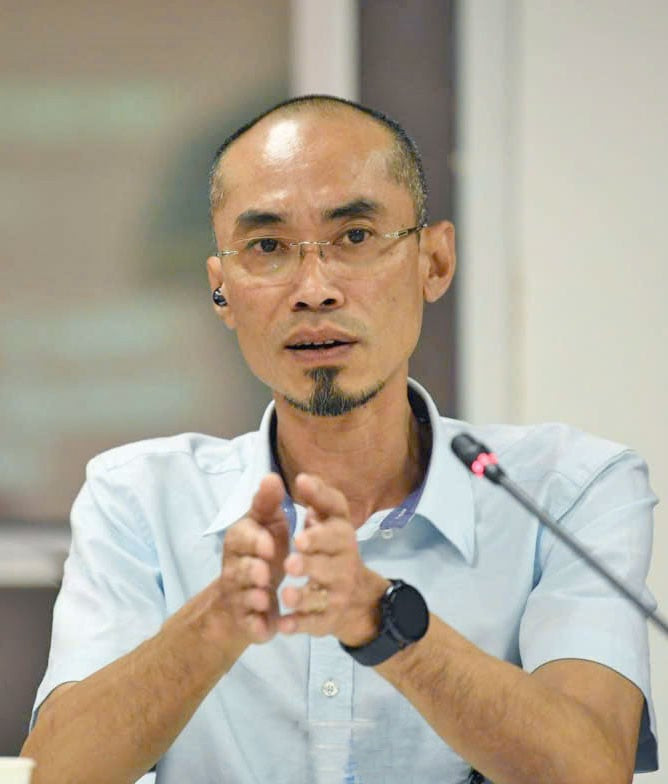
I fully agree with the delegates' proposal during the discussion session to add a progressive incentive mechanism based on the actual percentage of disabled employees employed, while also supporting the costs of improving the working environment. The policy needs to acknowledge the social impact that businesses create. Applying only a threshold of 30% or more of the total workforce being disabled would create difficulties for businesses. We need to study incentive mechanisms for businesses with lower disability rates, such as 10% or 20%, to promote employment for this group. More importantly, the policy must be easily accessible and have simple procedures so that businesses can support the employment of disabled people.
Our company has been operating for 13 years, employing over 30% disabled workers, and is currently exempt from corporate income tax. However, despite regulations offering land lease fee exemptions and reductions for businesses meeting the required disability ratio, accessing land under this policy remains difficult.
Currently, the company has to lease land from private individuals at high costs, adding further pressure in the current challenging economic climate. We hope that businesses with a clear social impact will receive attention and be given access to land for sustainable development.Similar obstacles arise in accessing loans. Social enterprises still operate under the Enterprise Law, so when borrowing from banks, they still have to meet procedures and conditions regarding collateral.
Therefore, if the Government has a specific mechanism, organizes surveys, and assesses the sustainability, value, and prospects of social impact business models, those businesses that meet the requirements may have a better chance of accessing capital. For models that operate effectively, grow well, and create jobs for people with disabilities, if the State works alongside these businesses, it will contribute to promoting the development of the social impact business sector.