

Constitution lays foundation for National Development
At the seminar “80 Years of Vietnam’s Constitution – Enduring Values and Aspirations for National Development,” participants highlighted the Constitution’s enduring values and its role in shaping the country’s development. They also emphasised the need to renew legislative thinking, improve institutions, ensure equality among ethnic groups and create a favourable legal environment for private-sector growth.

Quang Van Huong, Vice Chairman of the National Assembly’s Council for Ethnic Affairs:
Ensuring equality and solidarity among ethnic groups
The 1946 Constitution laid the foundations for Vietnam’s ethnic policies, providing a basis for subsequent constitutional developments.
Beyond general provisions on human and citizens’ rights, the 1946 Constitution established three important principles concerning ethnic minorities: providing comprehensive assistance to help them catch up with national development; ensuring the right to receive primary education in their own languages under Article 15; and recognising the right to use their own languages in court under Article 66.
Institutional safeguards have also evolved. While the 1992 Constitution required the Government to consult the Council for Ethnic Affairs when formulating ethnic policies, the 2013 Constitution strengthened this requirement, stipulating that the Council’s opinions must be sought.
Today, the Council assists the National Assembly in reviewing Government reports and legislative documents related to ethnic affairs, helping ensure that ethnic policies are incorporated into laws and other policy frameworks. These developments are particularly important for ethnic minority communities and people living in disadvantaged and special areas.

Bui Ngoc Thanh, former Chairman of the National Assembly Office:
Driving innovation and enabling development
From the seven-chapter 1946 Constitution to the 11-chapter 2013 Constitution, each constitutional text has reflected the country's development needs in its respective period.
Vietnam's evolving development requires the National Assembly to continue renewing its legislative thinking. Lawmaking should go beyond managing social and economic activities to actively driving innovation, encouraging creativity and enabling development.
The 15th and 16th National Assemblies have made important efforts to review and amend legislation, address overlapping and inconsistent provisions, and establish a more coherent legal framework, particularly in areas such as land management.
However, the priority should not simply be to enact more laws, but to ensure their quality, consistency and practical enforceability.
As General Secretary and State President To Lam has emphasised, laws must not only look good on paper but also deliver results in practice. Their real-world effectiveness is the ultimate measure of legislative quality.
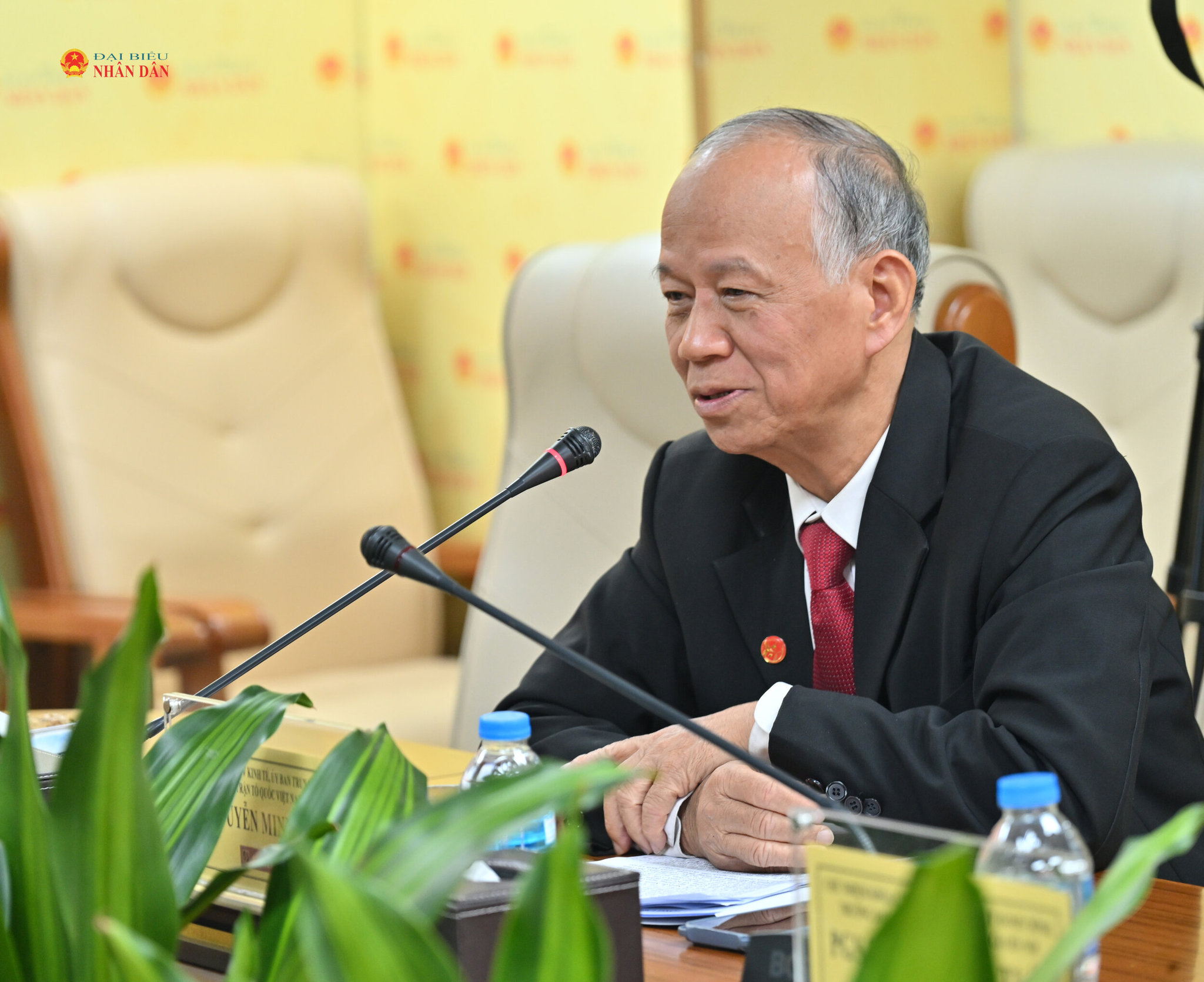
Dr. Nguyen Minh Phong, Member of the Economic Advisory Council of the Central Committee of the Vietnam Fatherland Front:
A legal foundation for private-sector development
The 1946 Constitution established early principles on freedom of business and the protection of citizens' property. These guarantees were further clarified and strengthened in the 1992 and 2013 Constitutions, which affirmed the right to conduct business in sectors not prohibited by law, lawful property ownership and equality among economic sectors.
A nation's strength rests on three pillars: hard power, including resources, the economy and national defence; soft power, encompassing institutions, culture and supply chains; and smart power, based on innovation, creativity, talent and adaptability.
The private sector contributes to all three. A strong private sector requires an open and supportive business environment, underpinned by an effective legal framework.
Constitutional guarantees of business freedom, property rights and economic equality therefore provide the basis for policies that support private-sector growth and encourage initiative among both businesses and policymakers.
Strengthening these foundations will help build a more dynamic private sector and reinforce national strength, in line with the orientation set out in the documents of the 14th National Party Congress.