

Ho Chi Minh City Uses Relatives’ DNA Samples to Renew Hope of Identifying Fallen Soldiers
With 6,927 relatives of martyrs expected to provide DNA biological samples in the second round of collection in 2026, Ho Chi Minh City is stepping up the application of science and technology in efforts to search for and identify martyrs’ remains. Each sample collected not only adds to the database used for comparison and verification, but also carries the hopes of families who have waited for decades to learn where their loved ones were laid to rest and, ultimately, to bring them home to their families and hometowns.
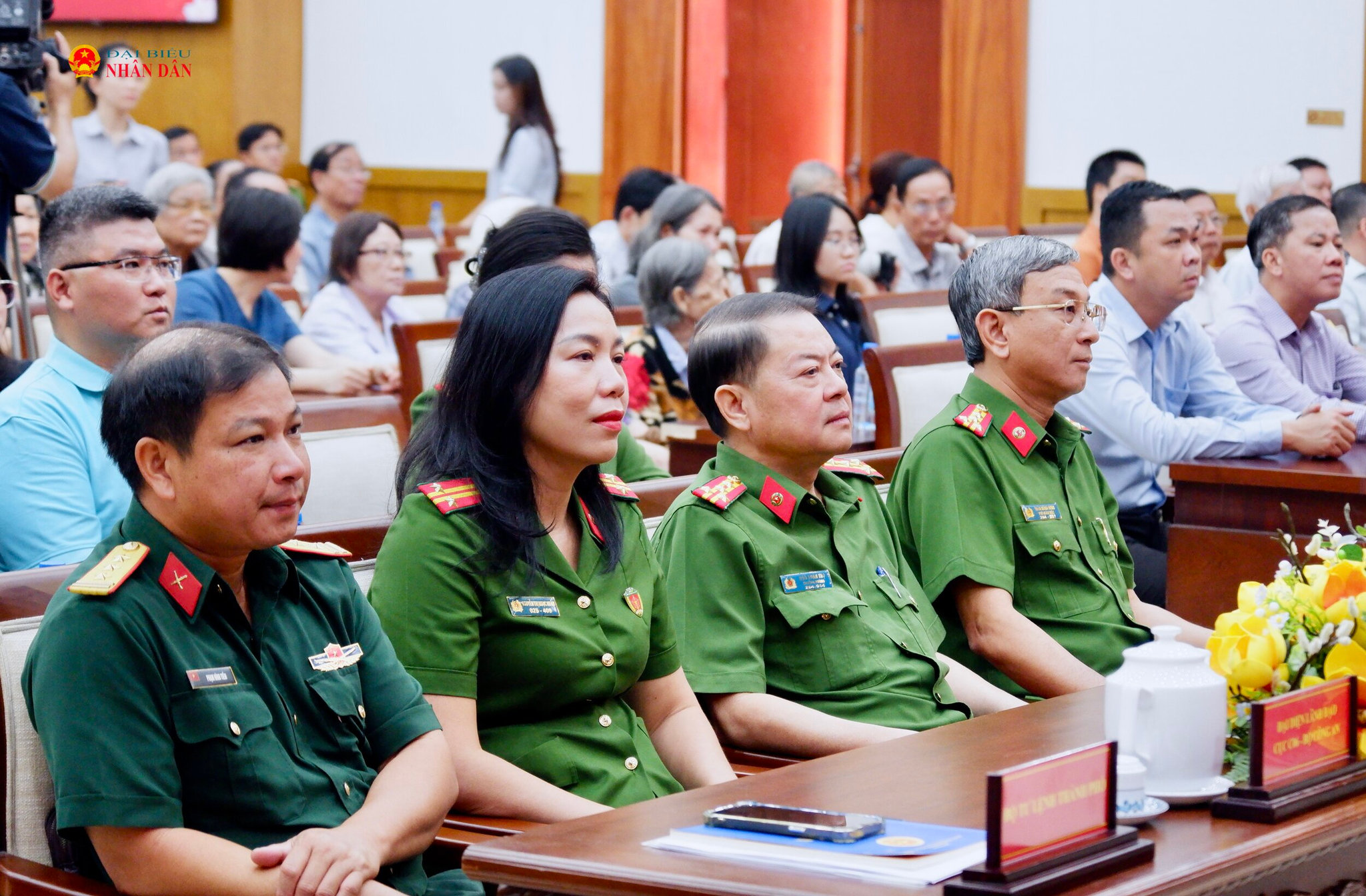
On the morning of November 12, the Ho Chi Minh City People’s Committee, in coordination with the municipal police, launched the second round of its 2026 campaign to collect DNA biological samples from relatives of martyrs whose identities remain unknown. The event was held at the People’s Committee of Phu Nhuan Ward.
Running from November 12 to 17, the programme targets 6,927 relatives of martyrs across the city who have been identified through a review process and encouraged to participate.
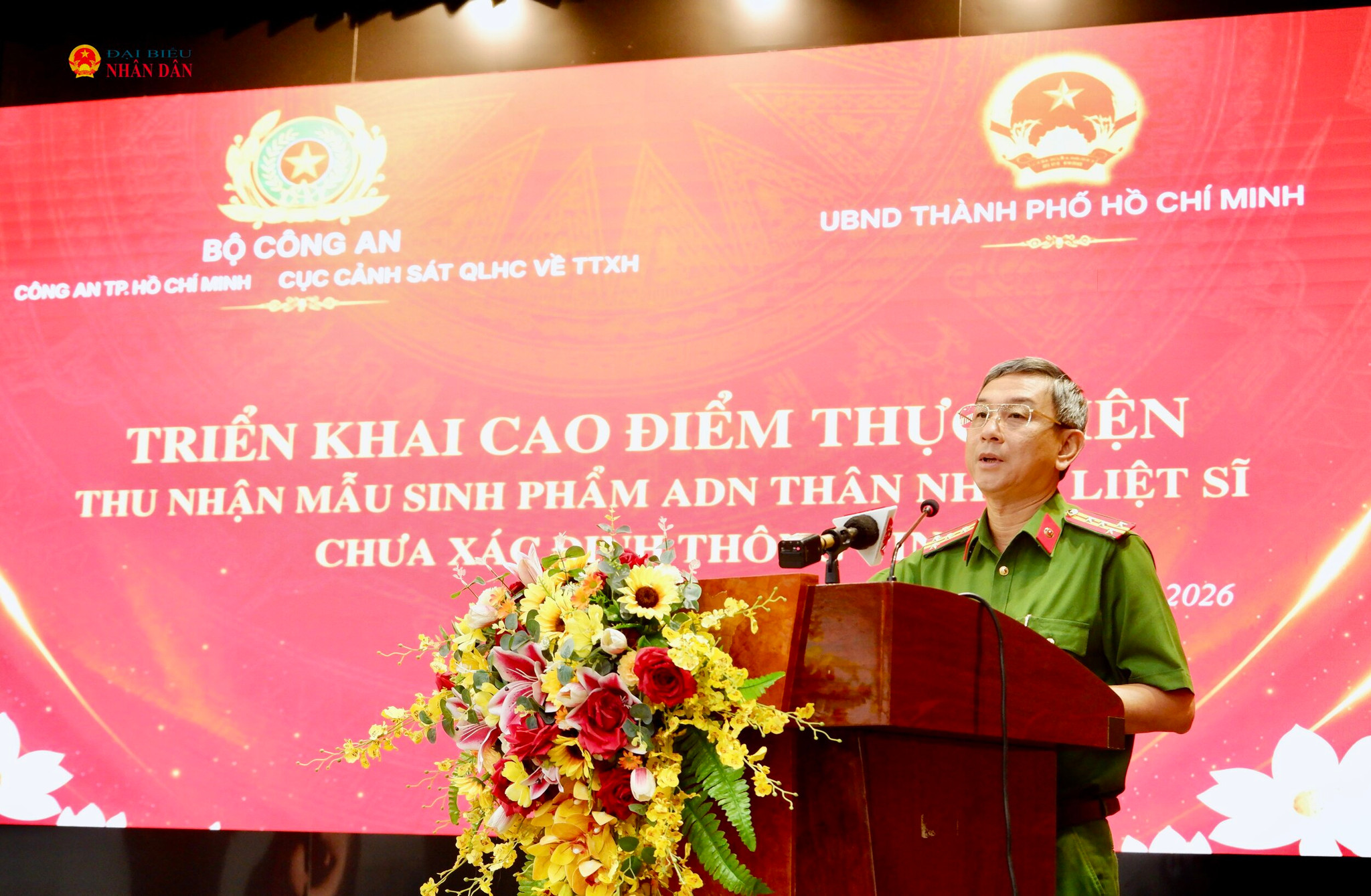
The initiative is part of the National Steering Committee’s “500-Day-and-Night Campaign to Accelerate the Search, Recovery and Identification of Martyrs’ Remains”, as well as the Ministry of Public Security’s peak campaign.
By collecting and standardising DNA biological data from relatives, the city aims to gradually build a database to support genetic comparison and identify the remains of martyrs whose identities are still unknown and which are being recovered and reburied at cemeteries nationwide.
Connecting scientific data to expand opportunities to restore martyrs’ identities
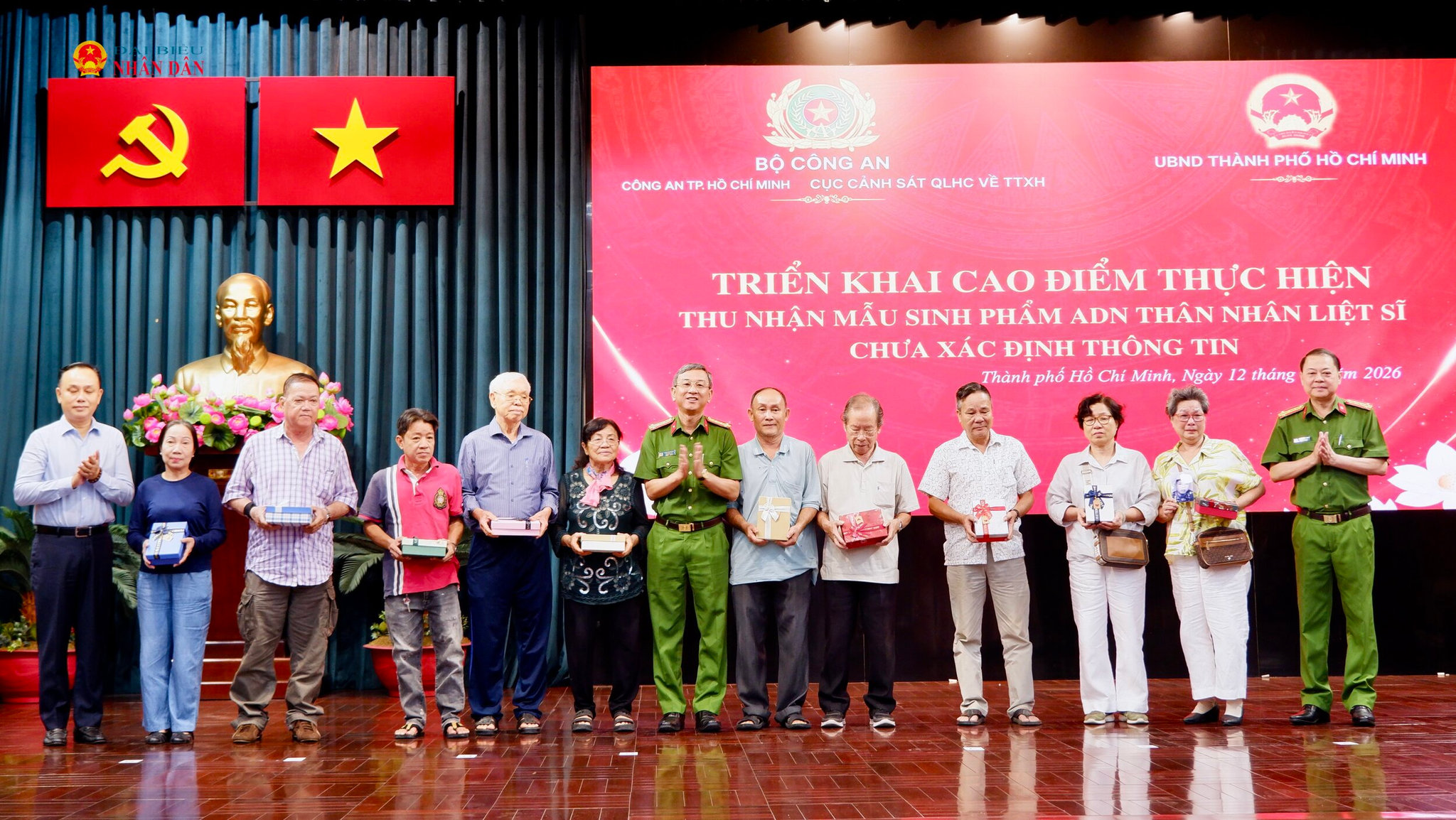
Speaking at the programme, Deputy Director of the Ho Chi Minh City Police, Senior Colonel Tran Hong Minh, emphasised that generations of Vietnamese people had fought bravely and sacrificed their lives to secure the independence, freedom and peace that the country enjoys today. Yet many martyrs still remain unidentified, while numerous families have waited for decades without knowing where their loved ones are buried.
“Every unidentified martyr’s grave represents an enduring pain for the family, and also a responsibility and a debt of gratitude that today's generations must do everything in their power to fulfil,” Senior Colonel Tran Hong Minh said.
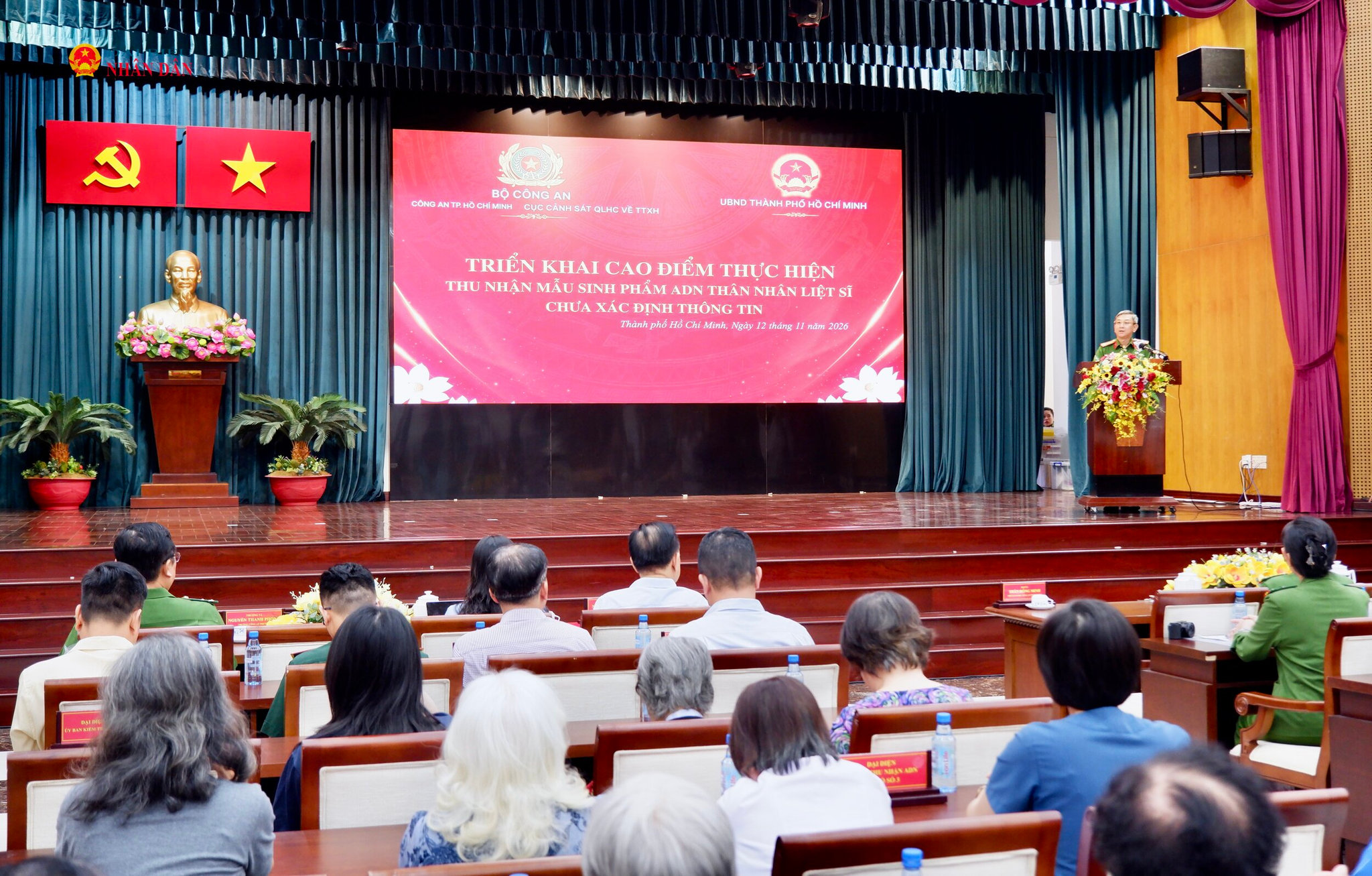
According to the deputy police director, the collection of DNA biological samples from martyrs’ relatives is being carried out under Plan No. 401/KH-UBND, issued by the municipal People’s Committee on July 24, 2026.
The programme combines DNA testing technologies with the National Population Database and Project 06, providing an additional scientific foundation for identifying martyrs’ remains.
Following a review, a total of 6,927 relatives across the city registered to provide samples in this round. Collection is being conducted at three locations in Thu Dau Mot, Ba Ria and Phu Nhuan wards. In addition, three mobile teams have been arranged to visit the homes of elderly people, those in poor health and individuals facing difficulties travelling to the collection sites.
Notably, Green and Smart Mobility Joint Stock Company (GSM) is supporting the programme by providing transportation for relatives to and from the collection locations.
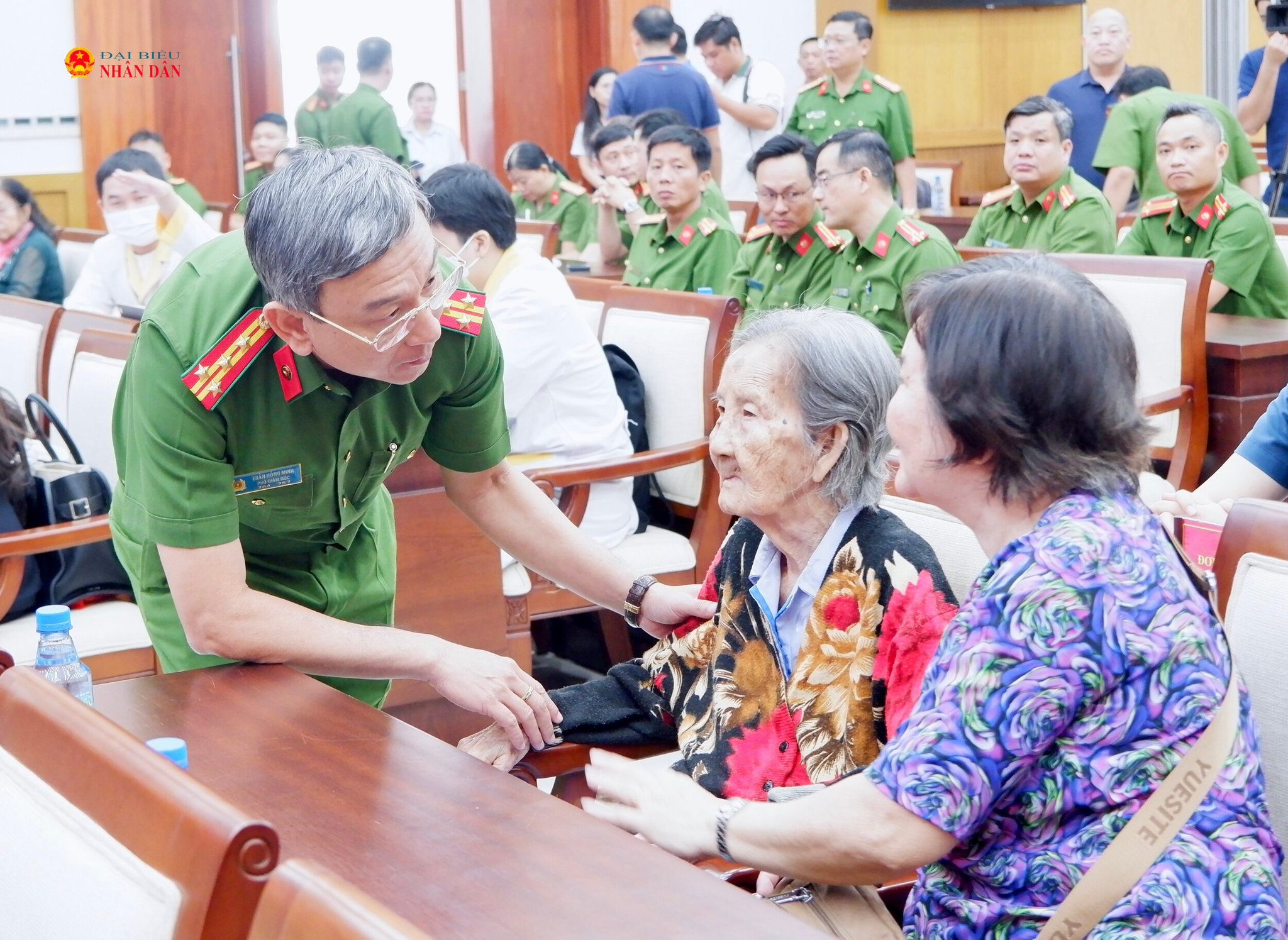
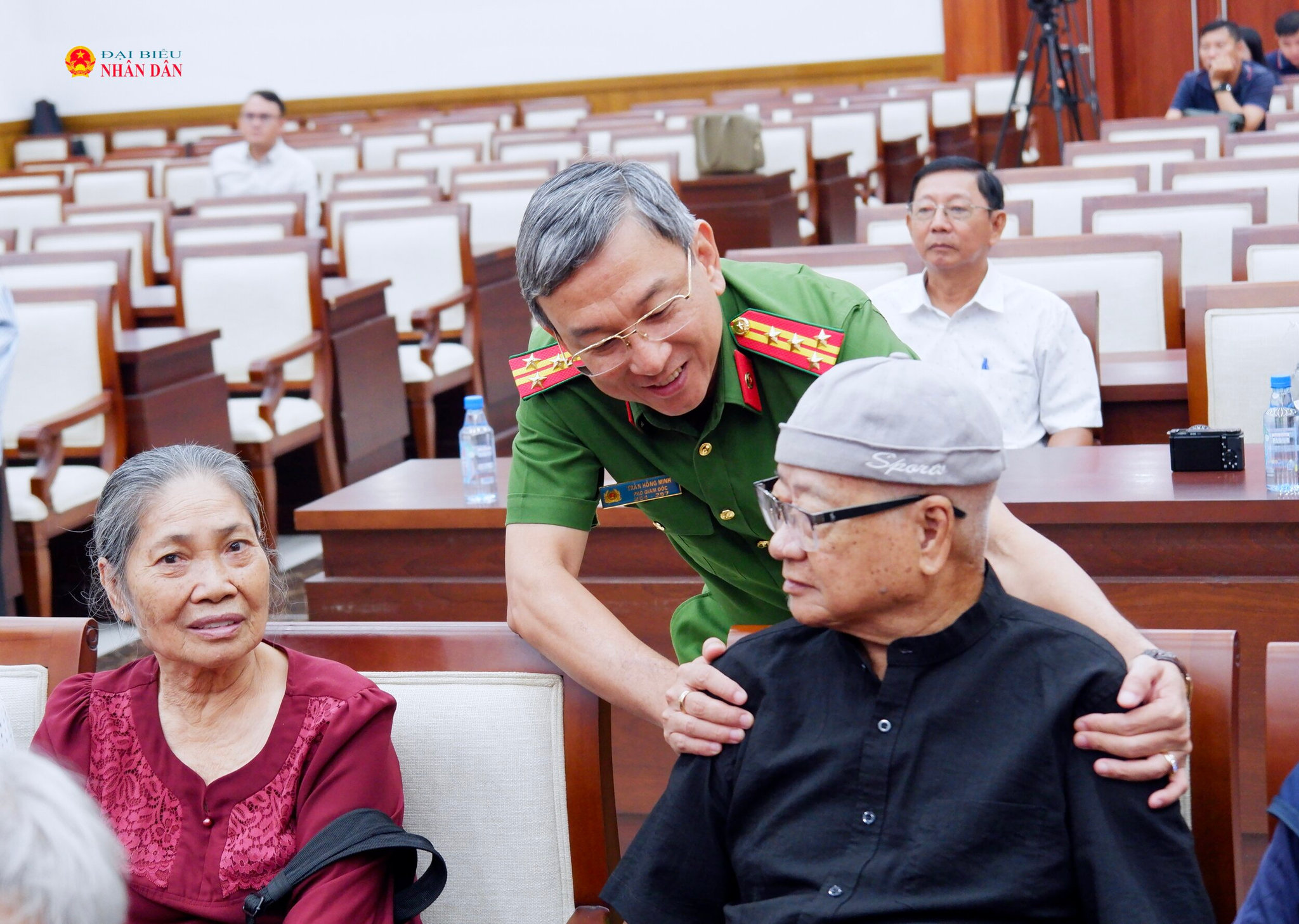
Given the large number of registered participants and the limited six-day collection period, the programme must be organised scientifically and conveniently, with appropriate arrangements to ensure that relatives do not have to wait for long periods.
Senior Colonel Tran Hong Minh stressed that the collection process must be voluntary, target the correct eligible participants, follow established procedures, and ensure safety and confidentiality of personal information. Each martyr may have a maximum of two relatives registered for DNA sampling, with priority given to relatives on the maternal side of the family.
Another key requirement is to review and verify relatives’ information accurately, particularly in the context of the city's expanded administrative boundaries.
Senior Colonel Ngo Xuan Tho, Head of the Police Division for Administrative Management of Social Order, said that following the administrative merger, information on martyrs’ relatives in some areas had not yet been fully synchronised. Before the collection campaign, therefore, the authorities established several task forces to review, verify and cross-check information to ensure that no eligible cases were overlooked.
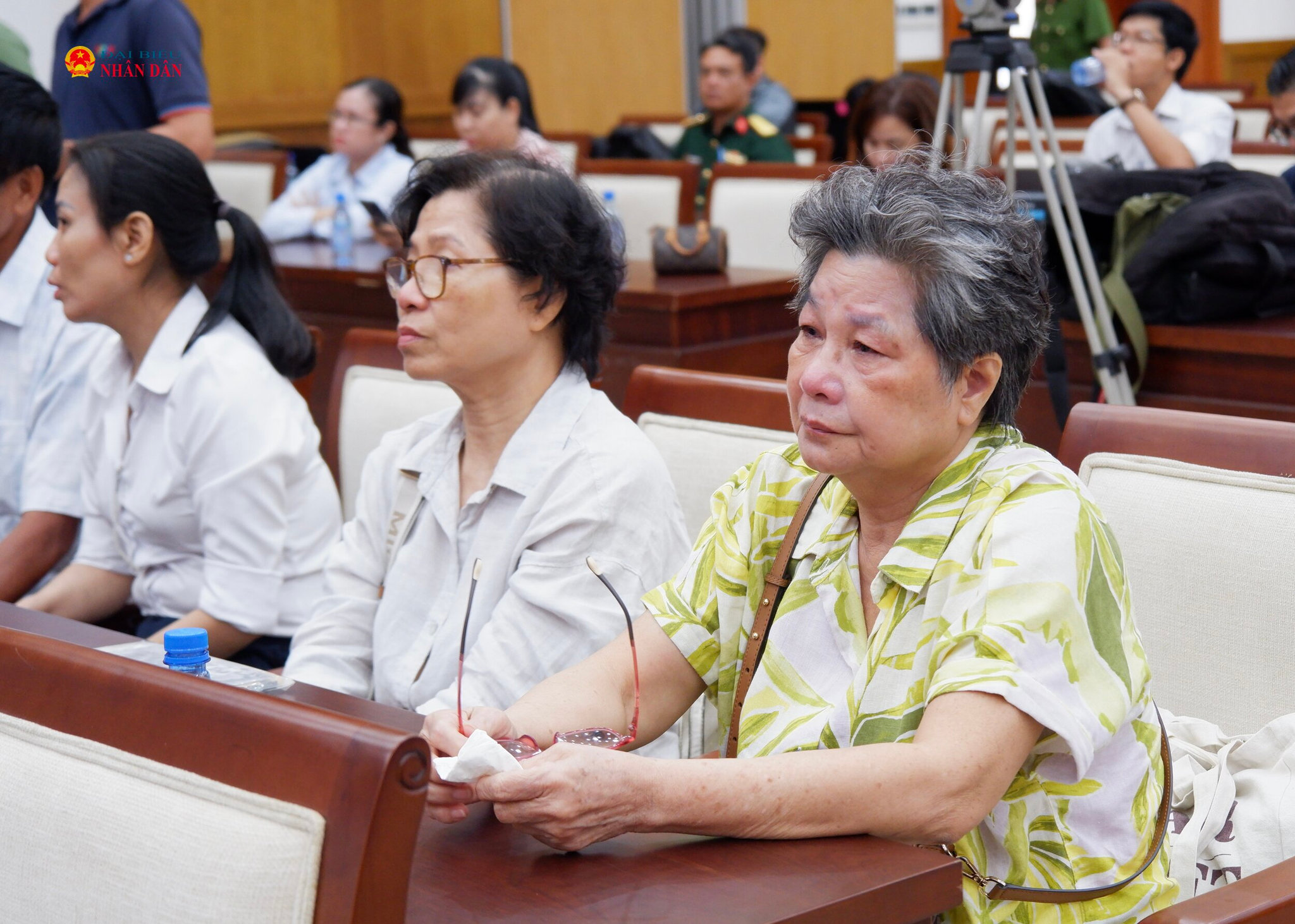
From standardising data and arranging collection sites to deploying mobile sampling teams and providing transportation, all measures are designed to make participation as convenient as possible for families while ensuring the quality of the DNA database.
As Senior Colonel Tran Hong Minh emphasised: “Every DNA sample collected today represents another opportunity for a martyr to be called by their rightful name and return to their hometown and family.”
DNA samples carry the hopes of families
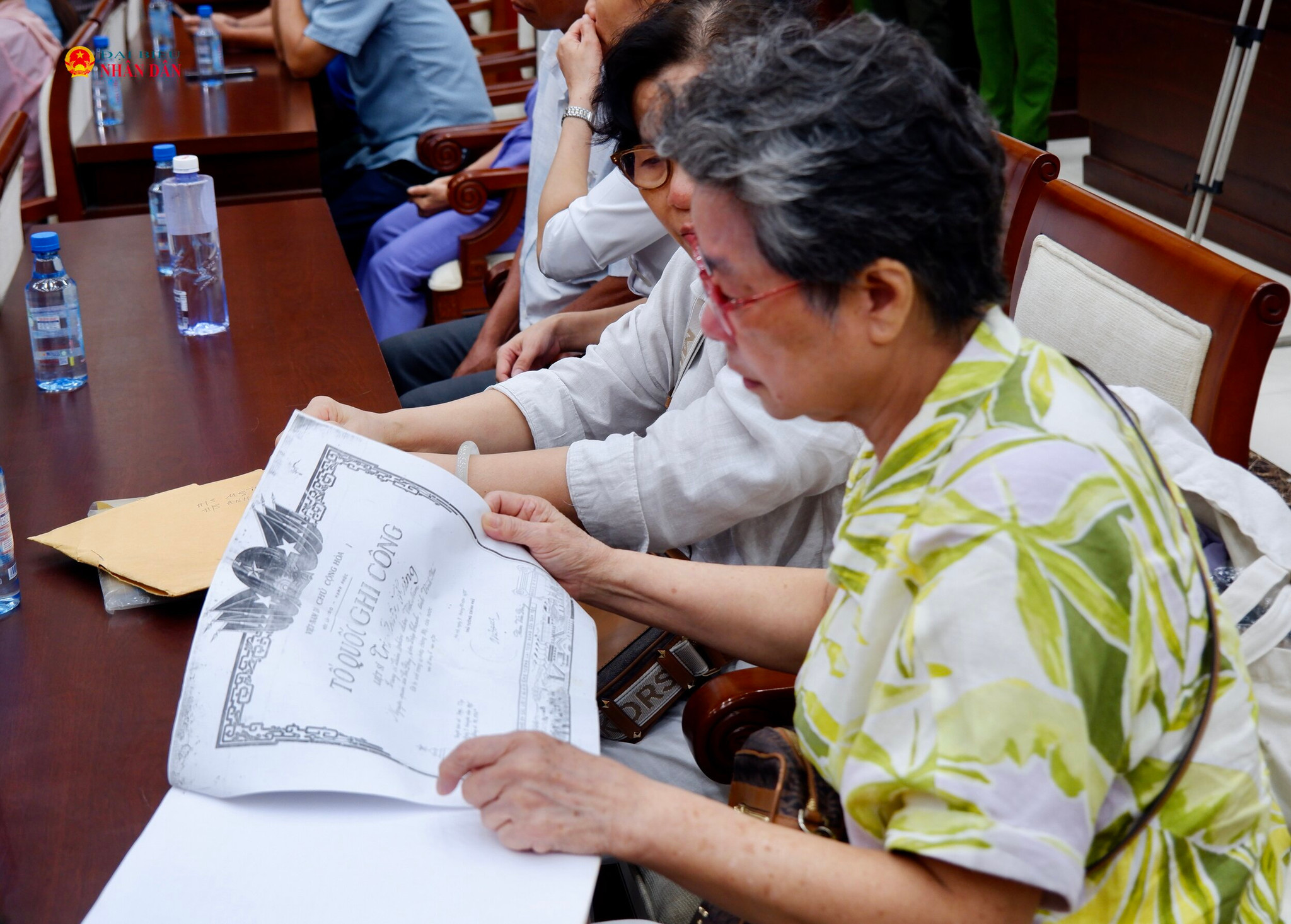
For families whose fallen relatives’ graves have yet to be found, participating in the DNA sample collection programme means more than simply providing information for verification. It offers another opportunity to continue searching for their loved ones and sustain hope after decades of waiting.
At the collection site in Phu Nhuan Ward, Le Thi Hoang Yen, born in 1960, could not hide her emotion. Her maternal uncle died on the southern battlefield in 1966. Since then, the family has been unable to establish where he was laid to rest, despite numerous attempts to find information.
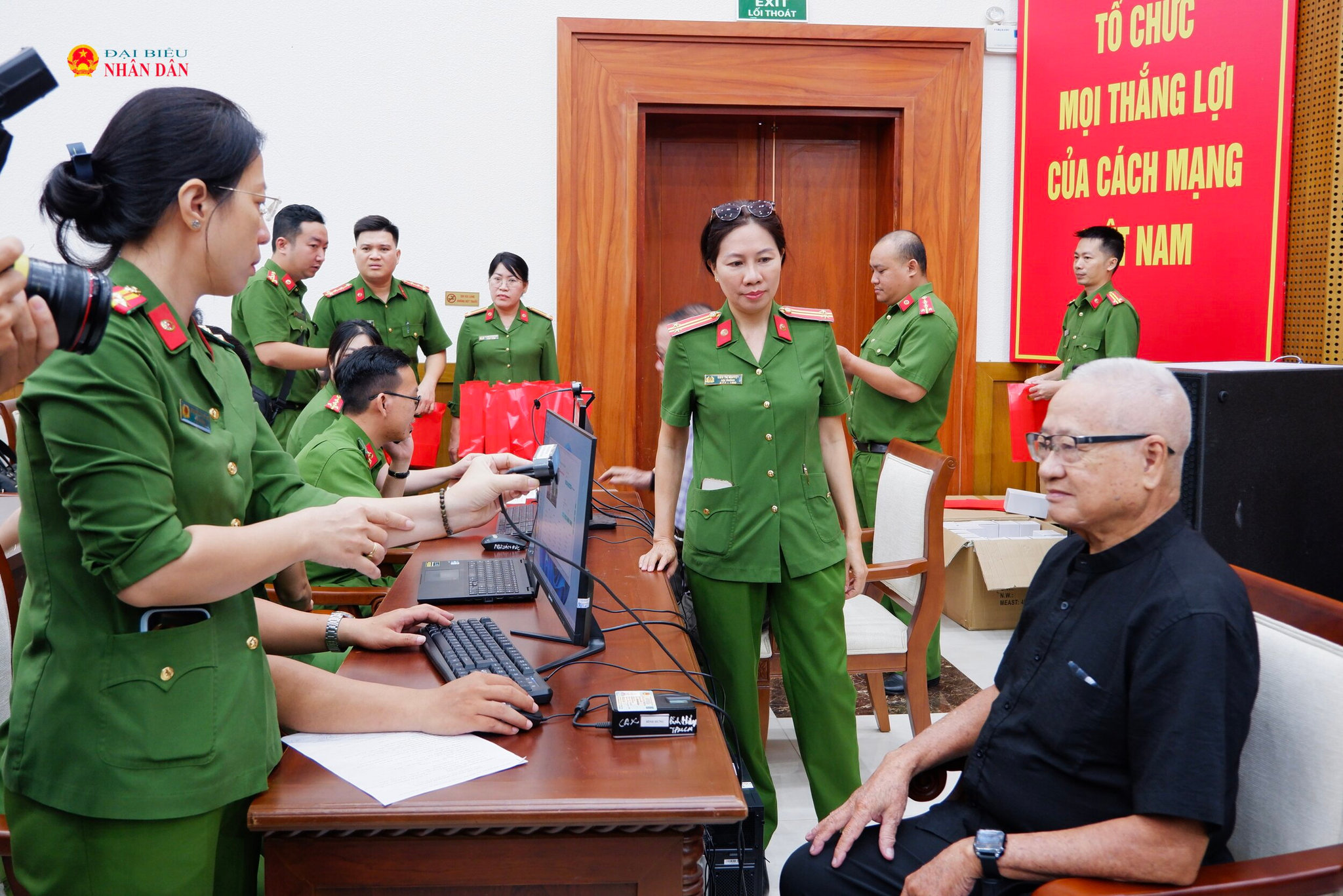
Yen recalled that her mother had asked many people to help locate her younger brother’s grave, but all efforts had so far proved unsuccessful. The hope of finding him had persisted for years, becoming a constant concern for the family.
Therefore, when she learned about the DNA sample collection programme for relatives of martyrs, Yen was deeply moved. She said the initiative carried profound humanitarian significance and demonstrated the care and attention of the Party and State towards families whose loved ones had sacrificed their lives but whose graves remained undiscovered.
Although the results of DNA matching are not yet known, being able to participate in the programme has given her family renewed faith and hope. After years of waiting, they now have another opportunity to find information about her uncle, who died in the war.
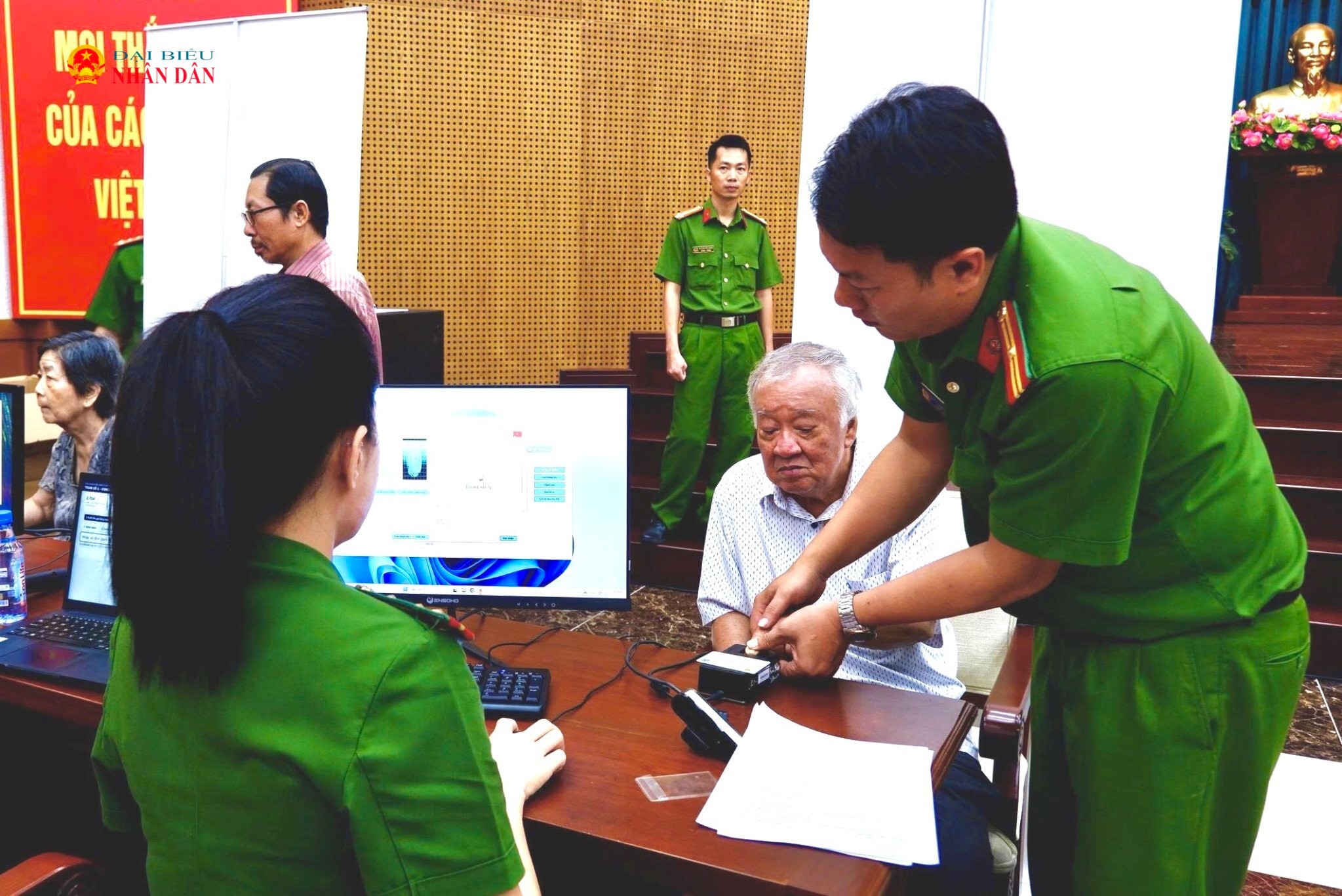
Sharing a similar longing, Tran Thi Hac, the younger sister of martyr Tran Quoc Hung, and her youngest sibling proactively visited the collection site after learning about the programme through the media. The two brought along family documents about the fallen soldier, hoping to find further information about their brother.
Martyr Tran Quoc Hung died on the southeastern battlefield. Since then, the family has made numerous attempts to locate his final resting place but has yet to obtain any verified information.
In the past, the family had sought assistance from spiritual mediums, but the identification had never been established on a reliable basis. Their search for their brother therefore remained unresolved.
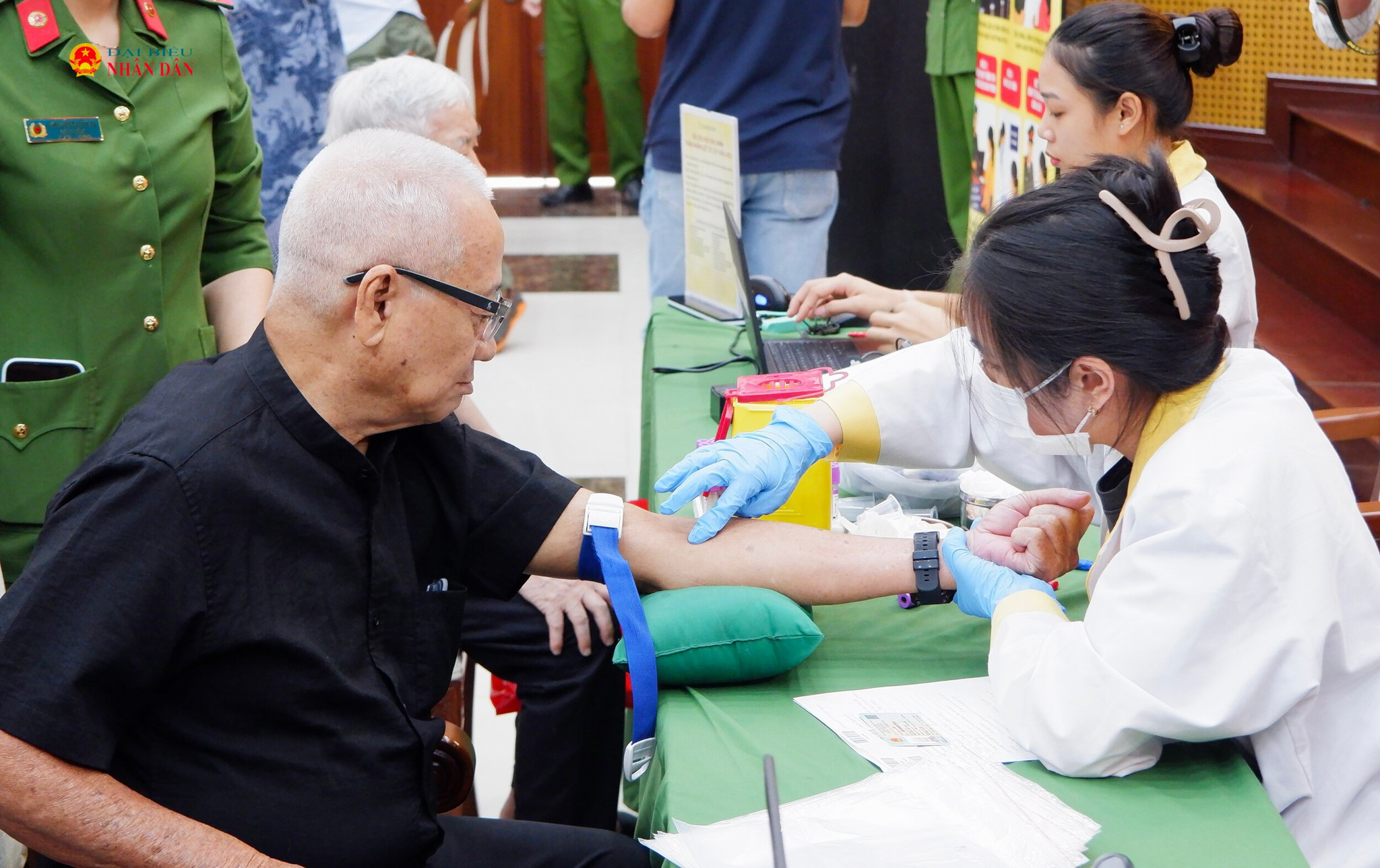
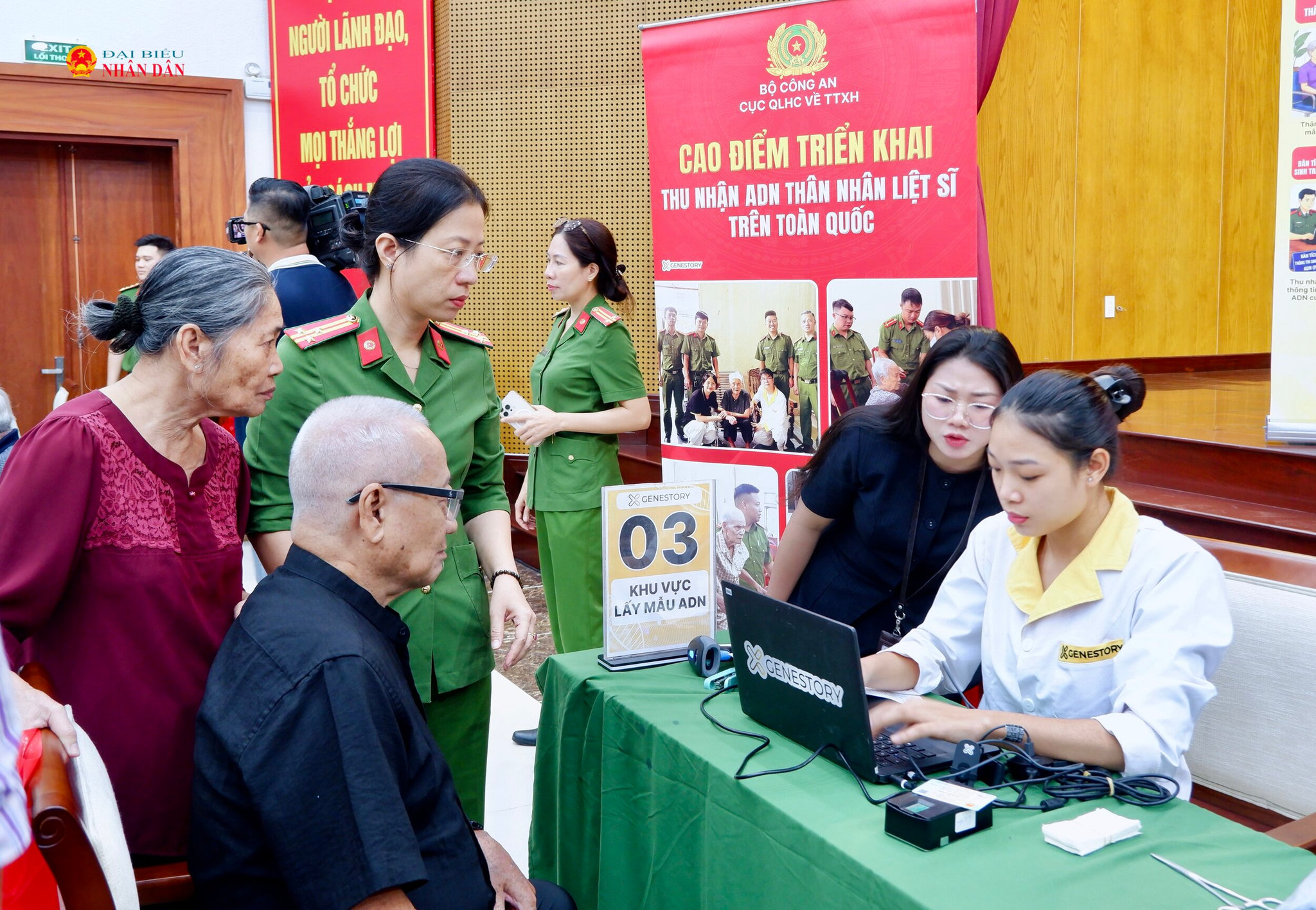
According to Hac, her parents and other siblings have all passed away. Only she and her youngest sibling remain to continue searching for information about their brother.
For this reason, after learning about the DNA collection programme, the two siblings hope that genetic data matching may open up an opportunity to establish his identity, locate his grave and bring him home to the family.
The two stories involve different circumstances but share the same longing: to restore their loved ones’ identities and discover where they are buried so that the family can visit and pay their respects.
The DNA sample collection programme is therefore not merely an application of science and technology to the identification of martyrs’ remains; it also carries profound humanitarian significance. Every biological sample collected creates another opportunity to connect information and restore the names of those who sacrificed their lives, while bringing renewed hope to families who have never stopped waiting for news of their loved ones.
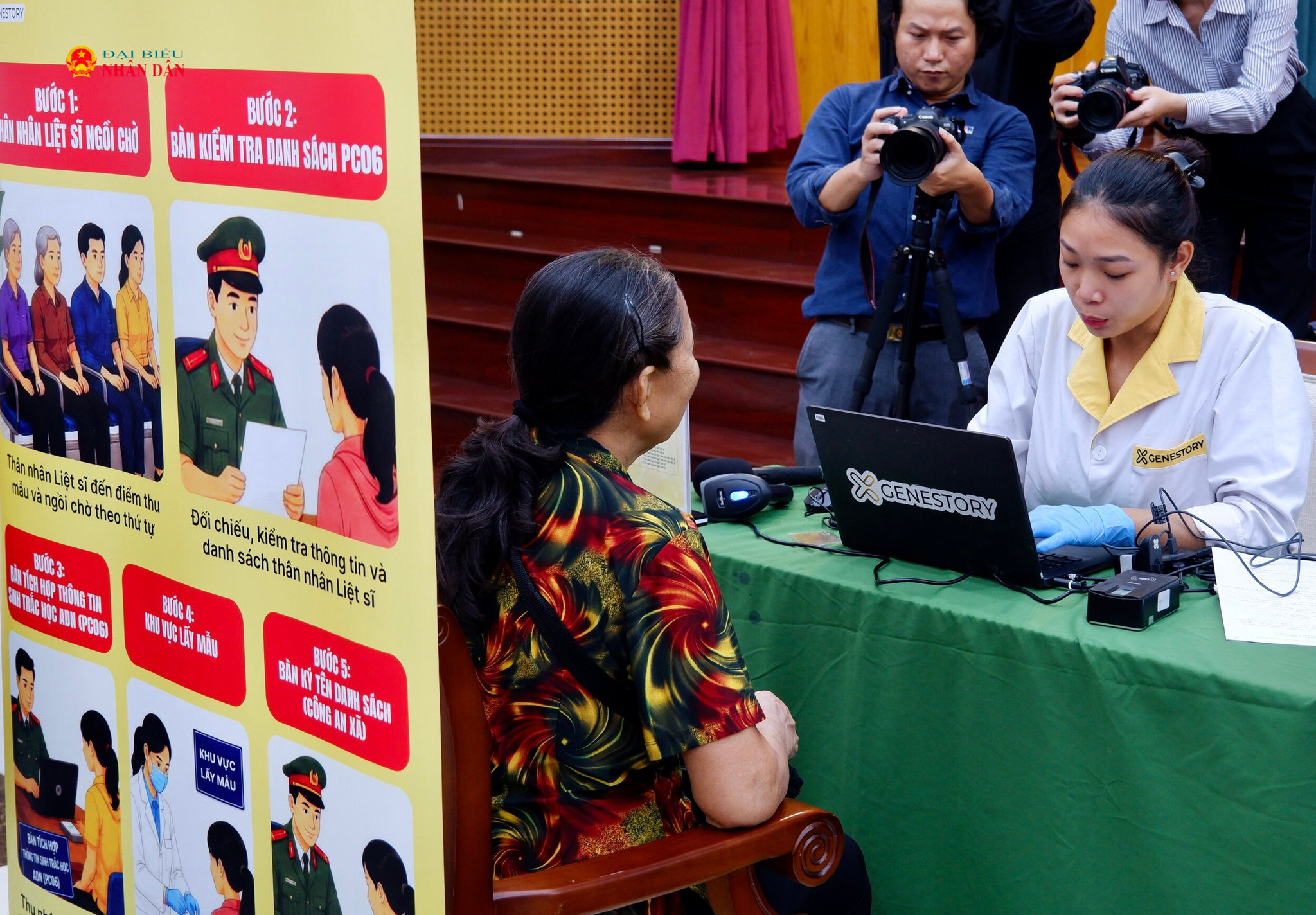
The journey remains challenging, as decades have passed, archival information is incomplete and many families no longer have full records. Nevertheless, expanding DNA sample collection and linking biological data with the National Population Database are opening up new opportunities for searching and genetic comparison, gradually helping to overcome obstacles in identifying martyrs’ remains.
With the concerted efforts of relevant agencies, local authorities and the continued cooperation of families, Ho Chi Minh City is pressing ahead with its mission to restore the identities of fallen soldiers and bring them home in name, hometown and family.
Every DNA sample represents more than scientific data. It carries the bonds of family and the enduring hopes of those left behind.