

Elevating parliamentary oversight to make it more substantive and incisive: Top legistor
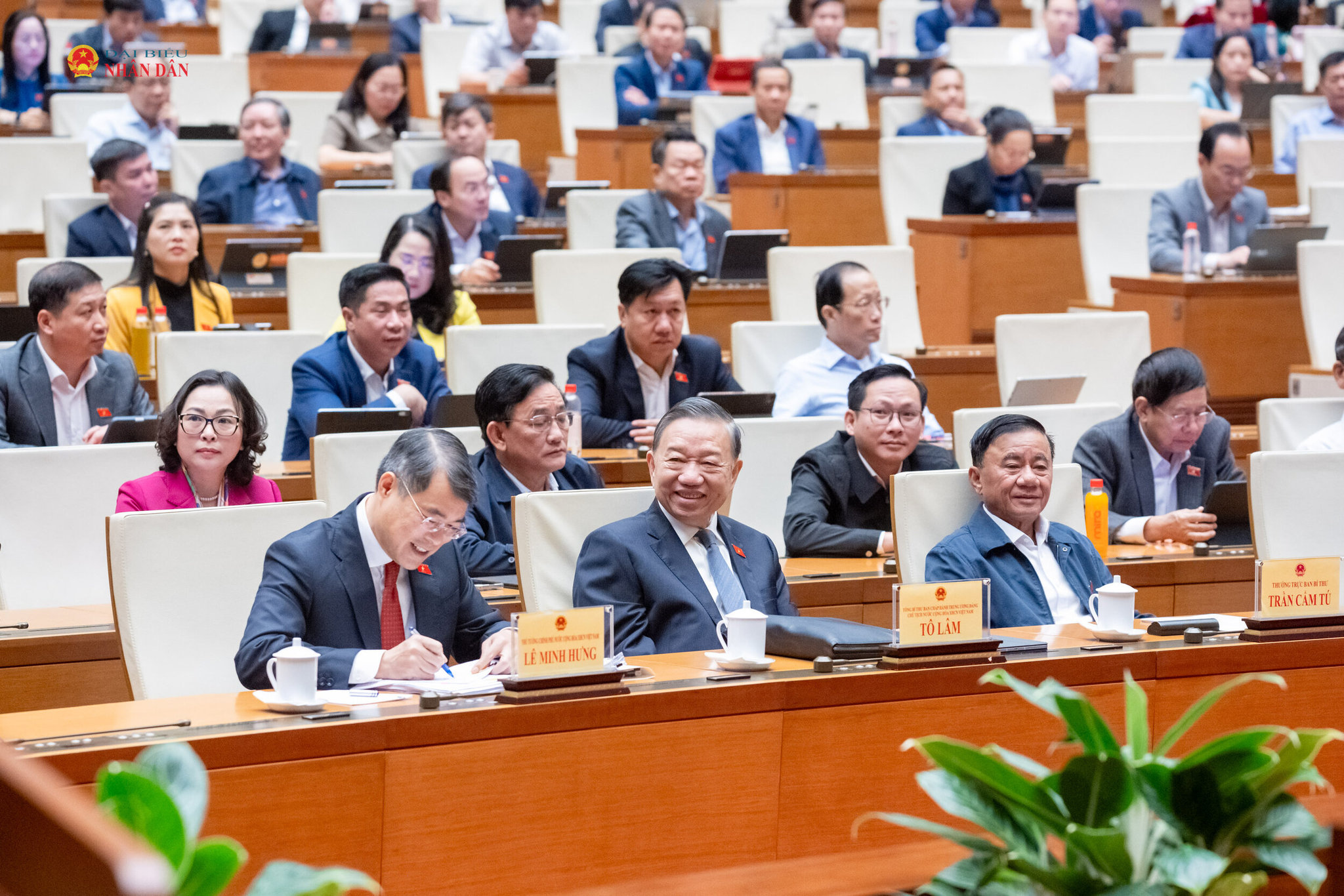
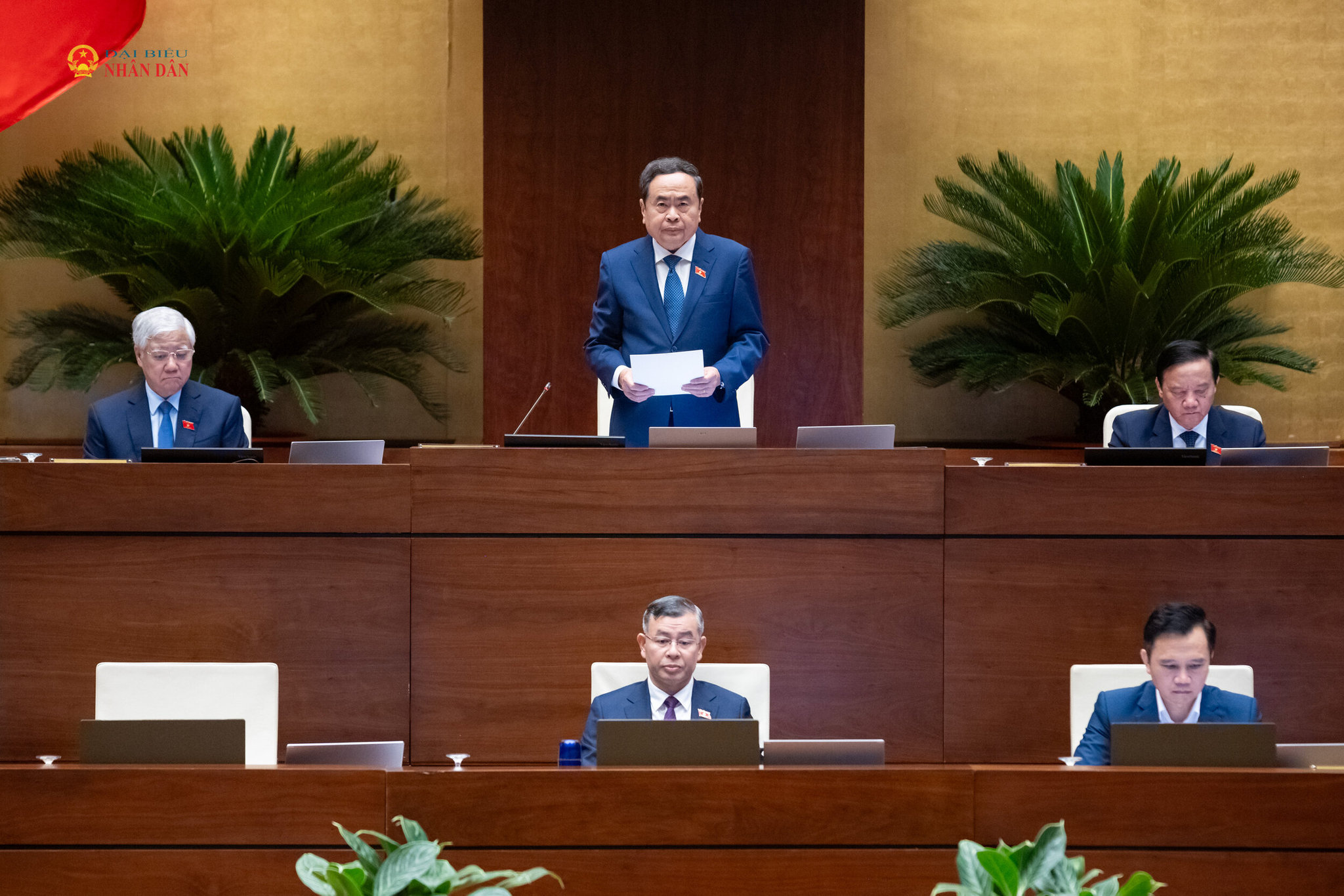
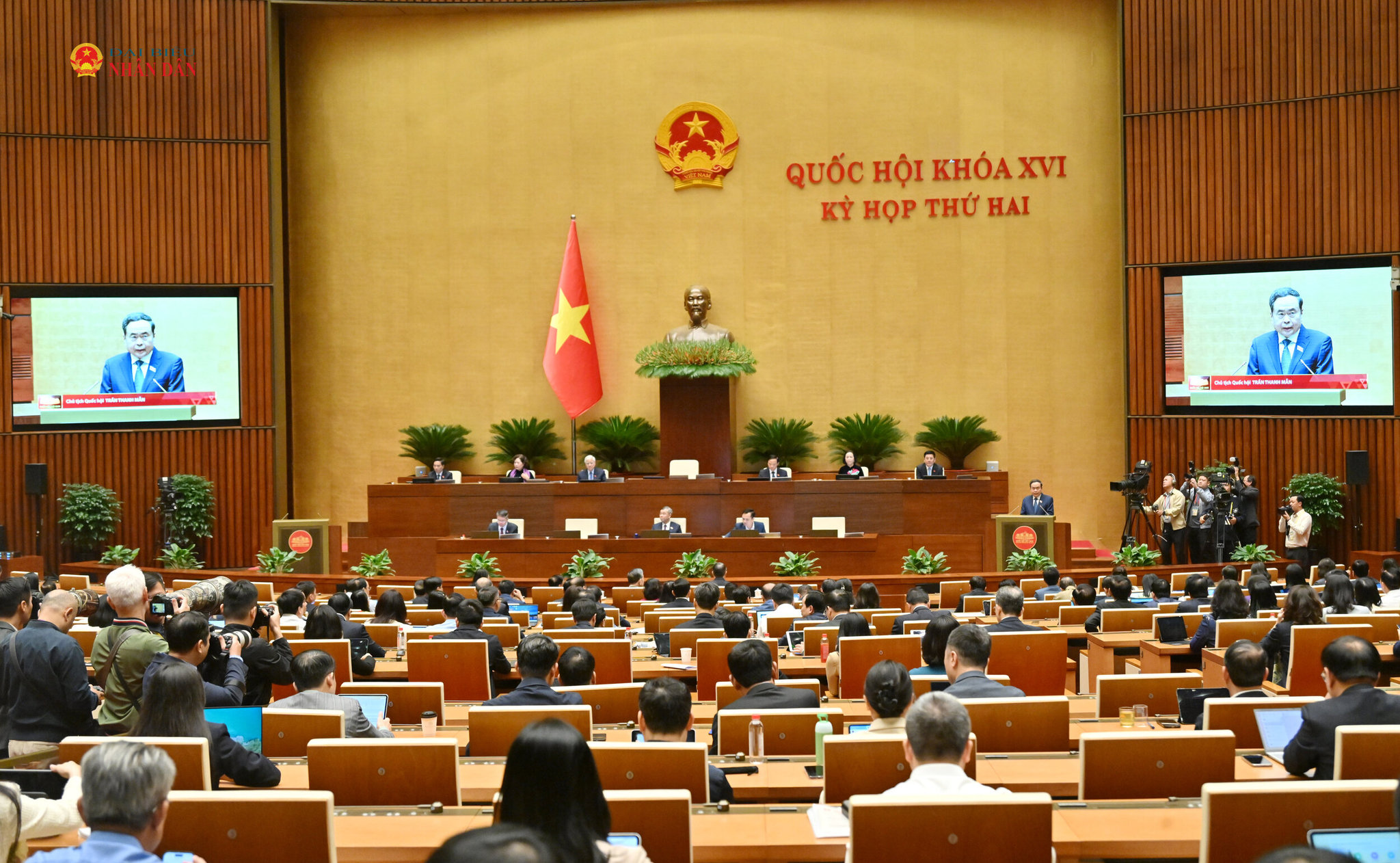
This morning, November 12, under the chairmanship of National Assembly Chairman Tran Thanh Man, the 16th National Assembly held its first question-and-answer session of the 16th legislature, focusing on two areas: finance, and science and technology.
Focusing on bottlenecks and identifying difficulties and obstacles
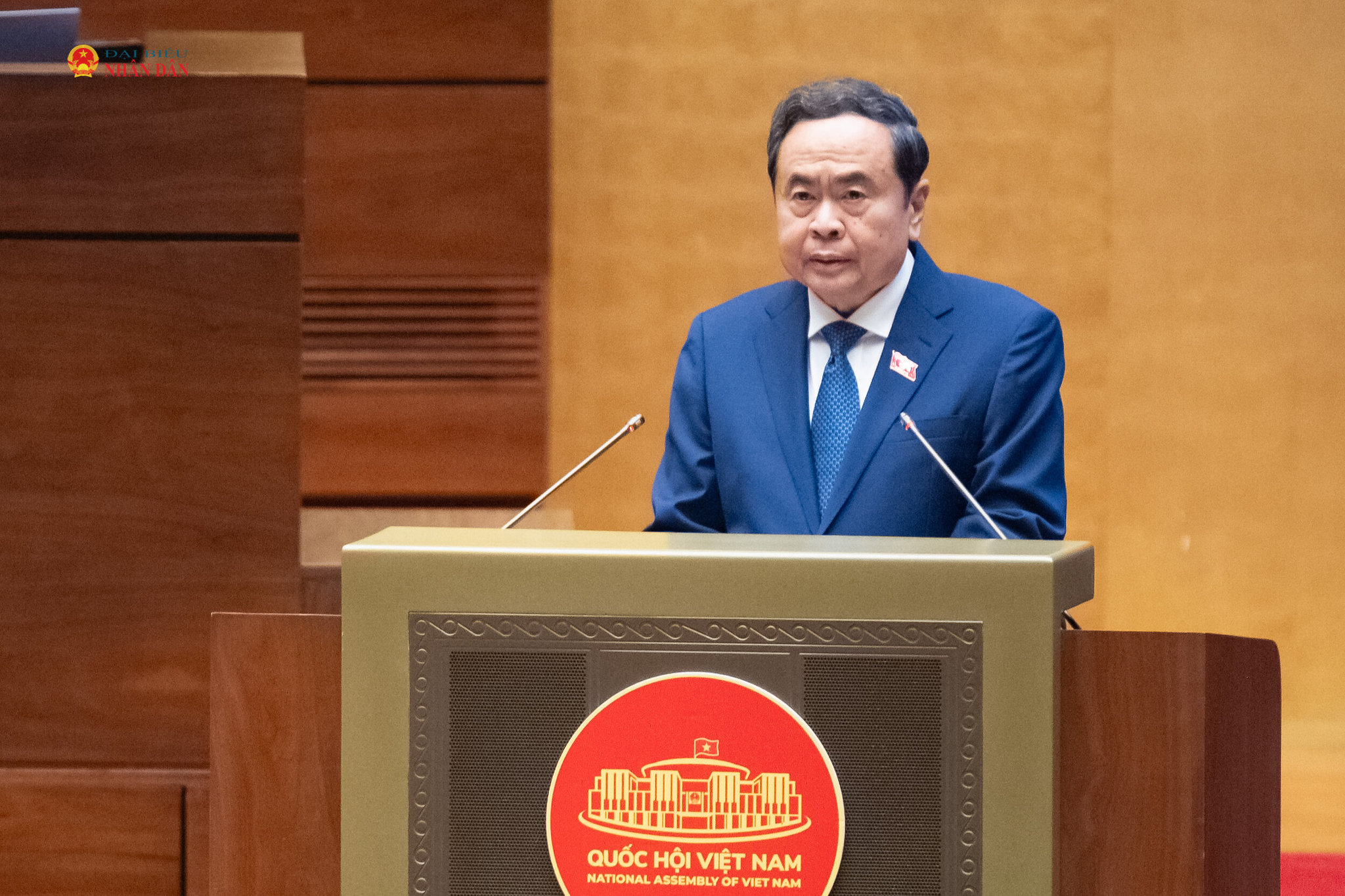
In his opening remarks, National Assembly Chairman Tran Thanh Man stressed that question-and-answer sessions are a form of direct parliamentary oversight, clearly demonstrating the accountability of the National Assembly, the Government and relevant agencies to voters and the public for fulfilling their commitments and assigned responsibilities, as well as for delivering tangible improvements following previous questioning sessions.
The session will take place over one day. The officials answering questions will be the Minister of Finance and the Minister of Science and Technology, with Deputy Prime Ministers, other ministers and heads of relevant agencies also participating in responses and explanations. Prime Minister Le Minh Hung will directly address issues falling within the Government's remit.
The National Assembly Chairman emphasized that this session continues to reflect the spirit of the National Assembly working alongside the Government. It also follows the direction given by General Secretary and State President To Lam: parliamentary oversight must be elevated to become more substantive and incisive, avoiding formalism.
Oversight should focus on bottlenecks and clearly identify difficulties and obstacles so that they can be addressed promptly, resources can be mobilized and used effectively, productivity and the quality of economic growth can be improved, macroeconomic stability maintained, and rapid and sustainable development promoted, thereby improving people's living standards.
Providing direct answers and clearly defining responsibilities, solutions and implementation deadlines
Chairman Tran Thanh Man said the session is being held in accordance with National Assembly Resolution No. 263, dated December 11, 2025, on the implementation of National Assembly resolutions from the 14th and 15th legislatures concerning thematic oversight and question-and-answer sessions.
During nearly one year of implementation, the Government, ministries and agencies have completed numerous tasks, delivering concrete results. These include continued improvements to institutional and policy frameworks on finance, investment and capital market development; the issuance of a list of shared national digital platforms; stronger data connectivity and sharing; standardization of mobile subscriber information; and improvements to policies in healthcare, education, culture, social affairs, and the prevention and combat of corruption, wastefulness and misconduct.
However, the Chairman pointed out that a number of tasks remain ongoing. These include capital market development and credit provision for priority sectors; power grid projects and the competitive electricity market; completion of databases, data connectivity and sharing, and online public services; policies on agriculture, the environment, urban development, culture, tourism, education, healthcare and science and technology; salary reform and human resource development; legal improvements; enforcement of judgments and administrative decisions; resolution of complaints and denunciations; and implementation of inspection conclusions.
In accordance with the National Assembly's Rules of Procedure, the session will continue to follow the "short questions, concise answers" format.
Officials responding to questions will have no more than five minutes to make their opening statements before questioning begins. In each round, the presiding officer will invite three deputies to raise questions. Each deputy will have no more than one minute, and is encouraged to focus on a single issue within the scope of the session.
Each answer must not exceed three minutes per question. Deputies may also engage in follow-up debate with the officials responding, with each intervention limited to two minutes.
The two areas selected for questioning had already attracted attention from several National Assembly deputies during the discussions on socio-economic issues on October 30 and 31, 2026. A total of 19 deputies spoke on finance-related matters, while 11 addressed science and technology issues.
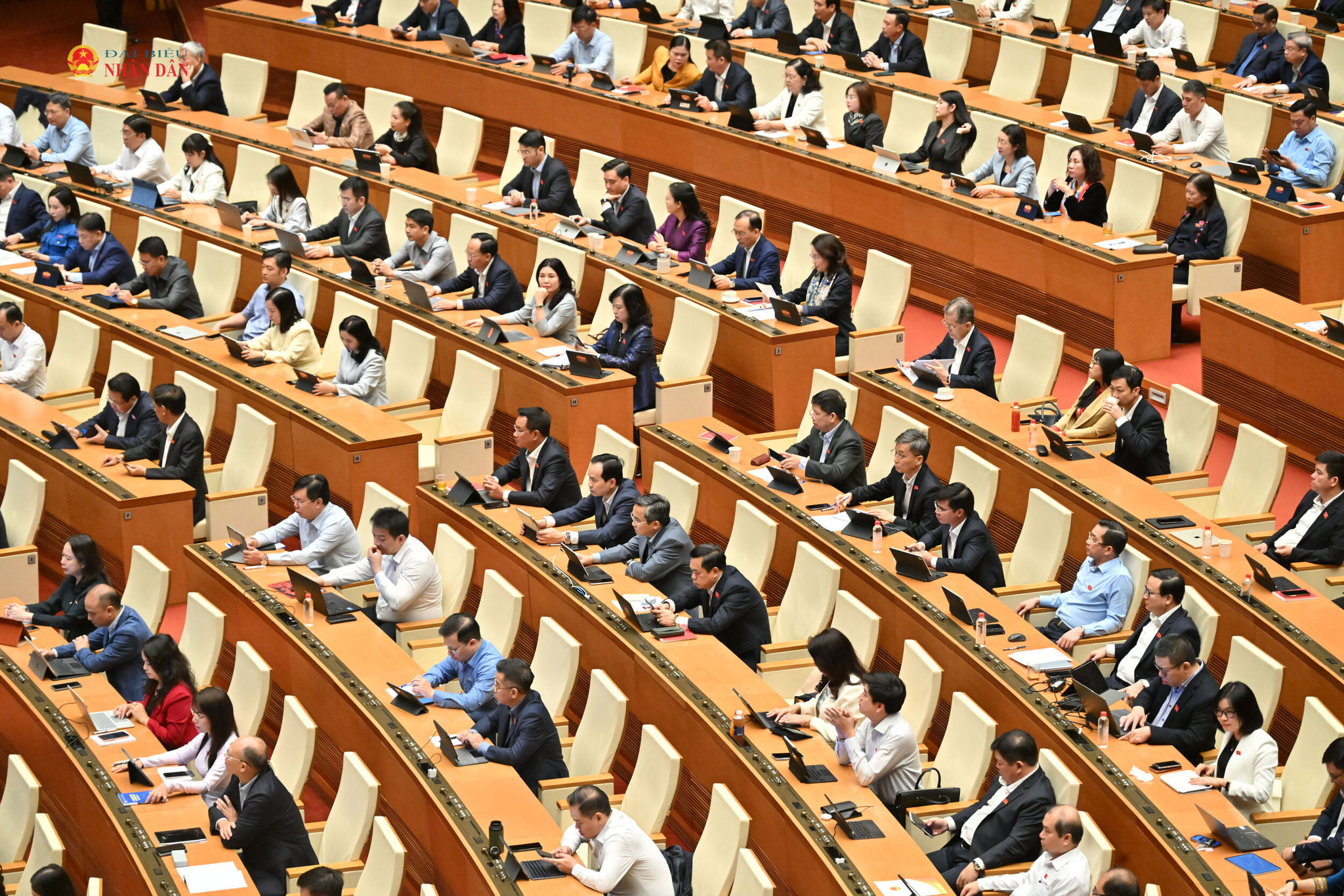
Chairman Tran Thanh Man called on deputies to avoid repeating issues that had already received adequate explanations and instead focus on matters that remain unclear or have not been fully addressed. They should seek to clarify the causes, responsibilities and solutions.
He also urged Government members to answer questions directly and clearly identify responsibilities, solutions and implementation deadlines. For issues involving multiple ministries and agencies, their respective responsibilities and coordination measures must be clearly defined.
Expressing confidence that the session would be conducted in a constructive and highly responsible spirit, with democracy and frankness, the National Assembly Chairman said it would help improve the effectiveness of parliamentary oversight and state management, meeting the trust and expectations of voters and people nationwide.
Immediately afterwards, the National Assembly began questioning on finance, focusing on four groups of issues:
1. Allocation, management and accelerated disbursement of public investment capital in 2026, in connection with the implementation of the medium-term public investment plan for 2026–2030. This includes identifying the causes, responsibilities and solutions for slow disbursement, particularly for key projects, while ensuring investment progress, quality and efficiency.
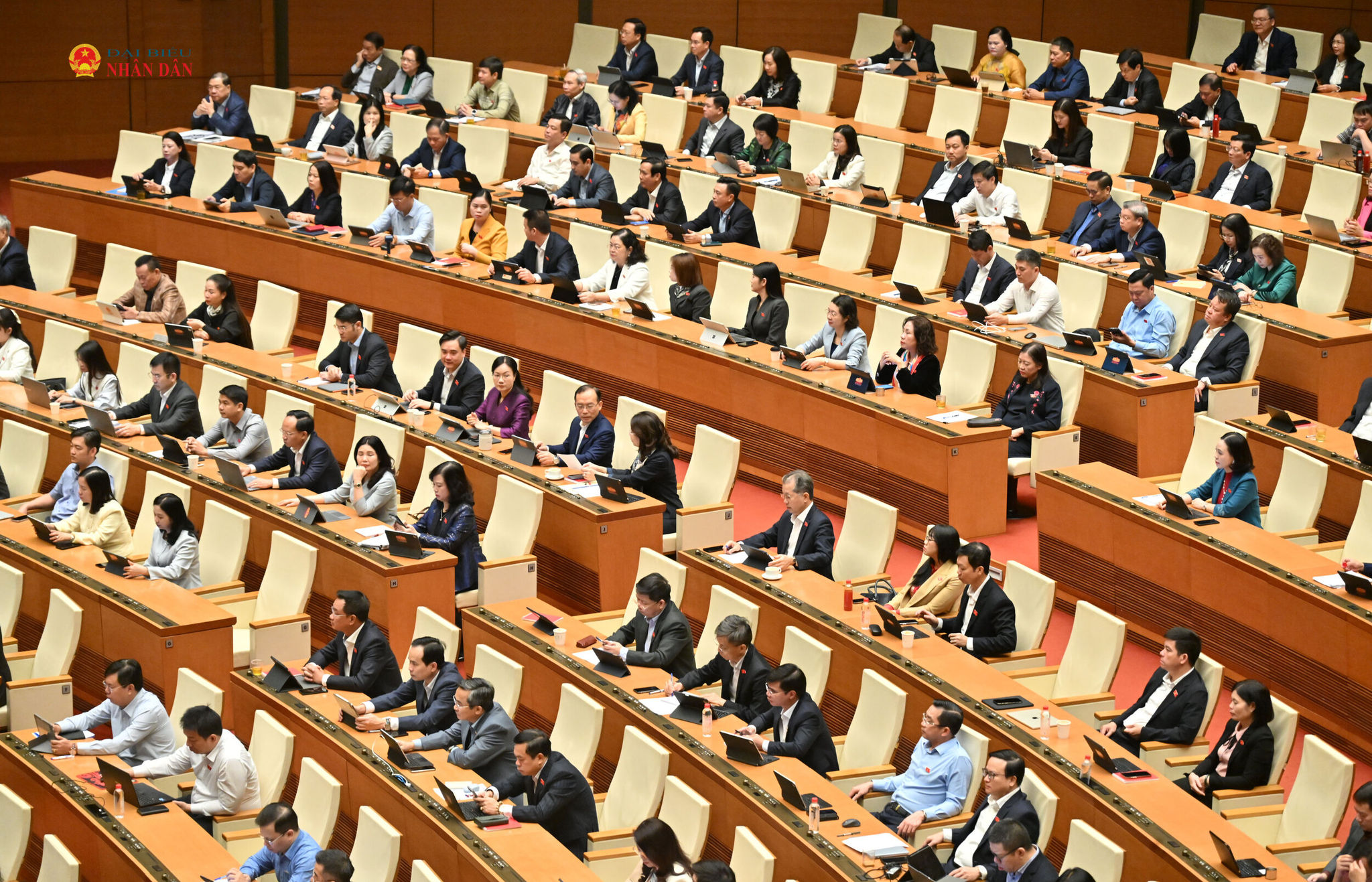
2. Challenges and solutions to improving the effectiveness of mobilizing, allocating and using capital, including official development assistance (ODA), concessional loans and investment mobilized through the public-private partnership (PPP) model.
3. Tax administration for e-commerce, digital platform-based businesses and foreign suppliers, including measures to prevent tax revenue losses and ensure fairness and transparency in tax compliance.
4. Measures to promote economic growth and improve the investment and business environment, while addressing difficulties related to access to capital, production and business costs, administrative procedures and business conditions for enterprises, household businesses and individual business operators.