

NA begins Q&A session at second sitting
The National Assembly (NA) opened a question-and-answer session as part of its second sitting on the morning of November 12, with Government members asked to address questions directly, clearly establish their responsibilities, and specify solutions and implementation deadlines.
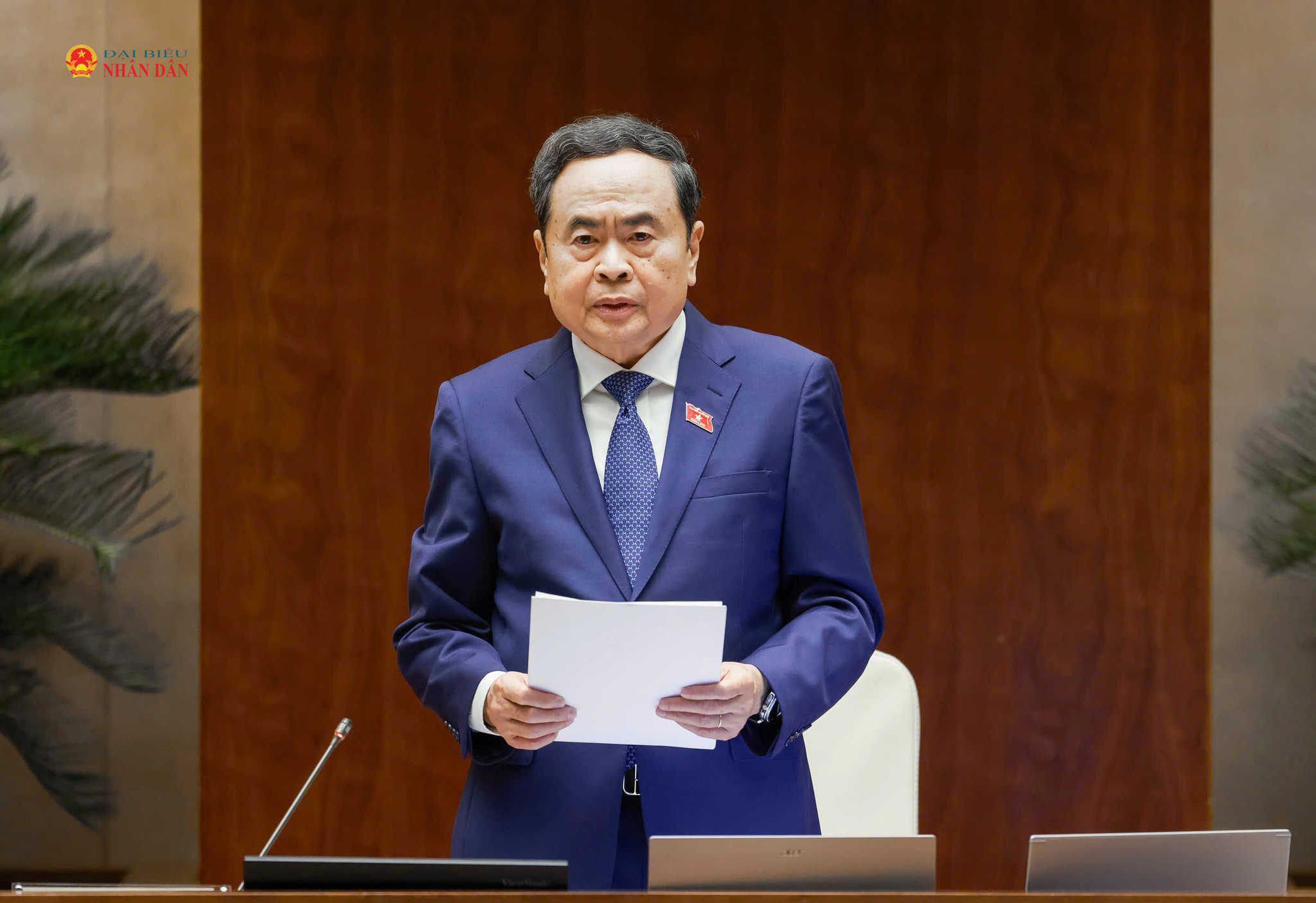
Hanoi (VNA) - The National Assembly (NA) opened a question-and-answer session as part of its second sitting on the morning of November 12.
The session is being broadcast live on Voice of Vietnam (VOV) and Vietnam Television (VTV), enabling voters and people nationwide to follow the proceedings.
In his opening remarks, NA President Tran Thanh Man stressed that questioning and answering constitute a form of direct oversight, clearly demonstrating the accountability of the National Assembly, the Government and relevant agencies to voters and the public for fulfilling their commitments and assigned responsibilities, as well as for delivering tangible progress following previous question-and-answer sessions.
Under the agenda for the second sitting, the legislature will devote one day to questioning Government officials and receiving their responses. The session will focus on two major areas: finance, and science and technology.
The officials responding to questions will include the Minister of Finance and the Minister of Science and Technology, alongside Deputy Prime Ministers, other ministers and heads of relevant agencies, who will participate in providing explanations. Prime Minister Le Minh Hung will directly address issues falling under the Government's responsibility.
NA President Man emphasised that the session would reaffirm the spirit of cooperation between the NA and the Government, while implementing the directive of General Secretary of the Communist Party of Vietnam Central Committee and President To Lam to raise the quality of parliamentary oversight, making it more substantive and incisive rather than merely procedural.
He said it should focus on bottlenecks, identify specific difficulties and obstacles, and facilitate timely solutions. The ultimate goals are to mobilise and effectively utilise resources, improve productivity and the quality of economic growth, maintain macroeconomic stability, promote rapid and sustainable development, and improve people's living standards.
According to the top legislator, the Q&A session would continue to follow the format of “quick questions, concise answers”, in accordance with the NA’s Rules of Procedure.
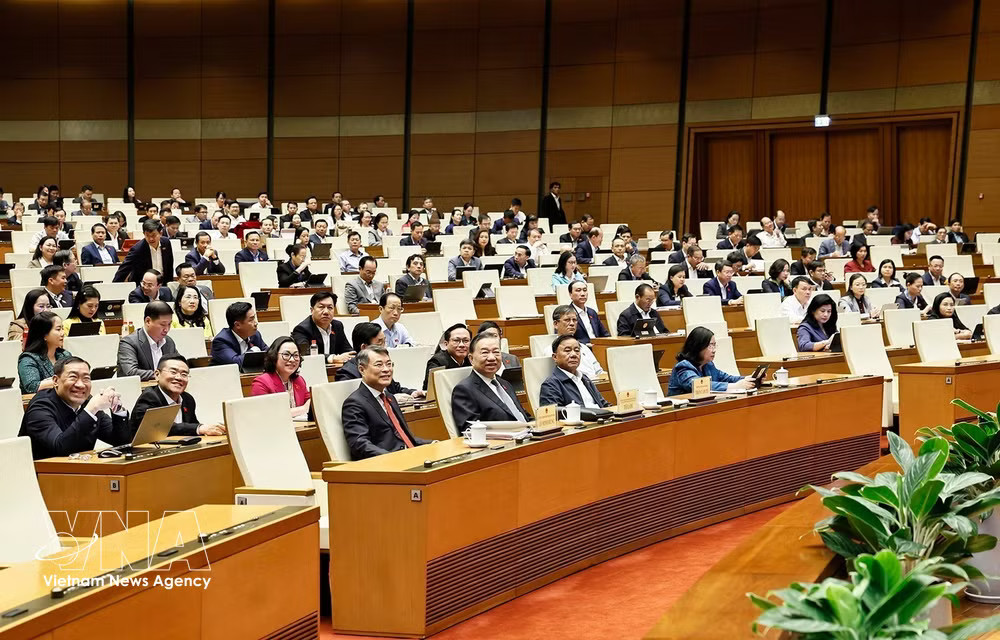
Officials responding to questions will have no more than five minutes for their opening remarks. For each round, the chair will invite three deputies to raise questions, with each given a maximum of one minute. Deputies are encouraged to focus on a single issue within the scope of the session.
Each response will be limited to three minutes per question. Deputies will also have the right to engage in follow-up debate with officials, with each intervention lasting no more than two minutes.
The two groups of issues scheduled for questioning have already attracted considerable attention from NA deputies during discussions on socio-economic affairs on October 30 and 31. A total of 19 deputies addressed matters relating to finance, while 11 spoke on science and technology.
The NA President called on deputies to avoid repeating issues that had already received adequate explanations, and instead focus on matters that remain unclear or have yet to be satisfactorily addressed. He urged them to clarify the underlying causes, identify those responsible and propose solutions.
Government members, in turn, were asked to address questions directly, clearly establish their responsibilities, and specify solutions and implementation deadlines. For issues involving multiple ministries and agencies, they should also clarify respective responsibilities and coordination mechanisms to ensure effective resolution./.