

The 1946 Constitution - the ideological significance of Ho Chi Minh's vision of a truly people's state, by the people, and for the people
Eighty years ago, in the early days of building the revolutionary government, President Ho Chi Minh, together with the National Assembly, laid the foundation for a democratic state in which the people are the supreme subjects of power. Through progressive and ahead-of-its-time provisions, the 1946 Constitution not only institutionalized the aspirations for independence and freedom but also profoundly embodied Ho Chi Minh's thought on the right to self-determination, human rights, the responsibility of the government, and the control of power.
Eight decades have passed, yet these values remain a crucial ideological, political , and legal foundation in the journey of building a socialist rule of law state in Vietnam, aiming for the highest goal: serving the people and for the happiness of the people.
From groundbreaking provisions to the philosophy that power belongs to the people
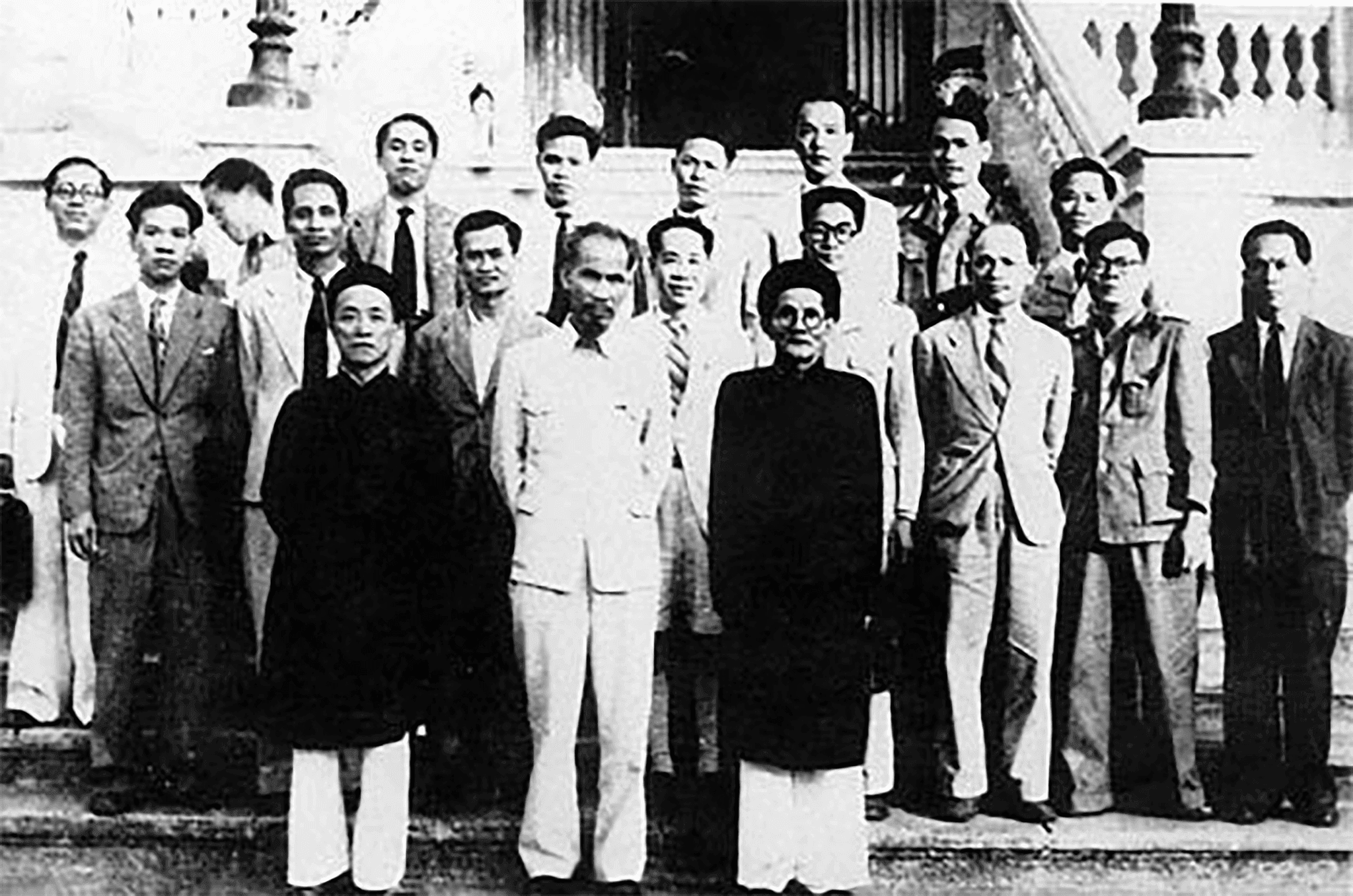
On November 9, 1946, the First National Assembly adopted the first Constitution of the Democratic Republic of Vietnam. In the context of a newly independent nation and a fledgling revolutionary government, President Ho Chi Minh laid the legal foundation for a new regime. In this regime, the people were the subjects of power, and the government was chosen by the people and for the benefit of the people.
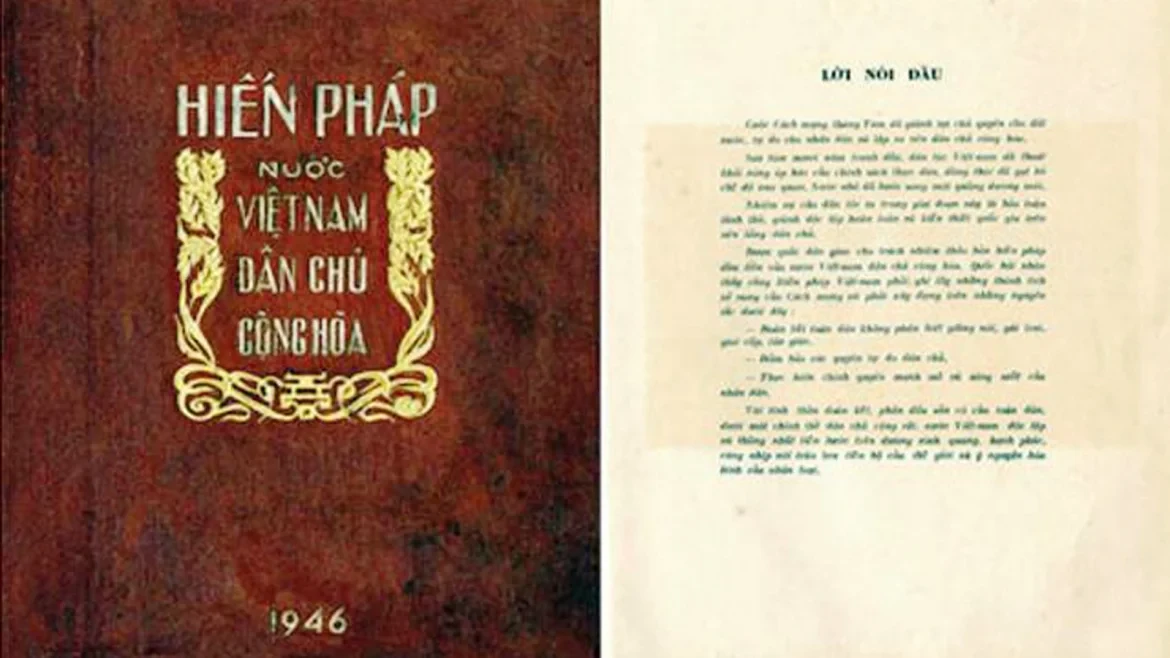
This ideology is expressed right in the Preamble with three principles: national unity; guaranteeing democratic freedoms and rights; and building a strong and wise government of the people. In particular, Article 1 affirms: “All power in the country belongs to the entire Vietnamese people…”. This is the core ideology of a State of the People, by the People, and for the People: state power originates from the People, is empowered by the People, and is accountable to the People.
Beyond mere declarations, the 1946 Constitution concretized the right to self-governance through progressive provisions. Articles 6, 7, and 9 established equality, the right to participate in government, and affirmed women's equal rights with men. Articles 8, 13, 14, and 15 demonstrated the responsibility to care for ethnic minorities, workers, the elderly, people with disabilities, children, and to ensure educational opportunities for the poor. Therefore, human rights were not only political and civil rights but were also linked to life, work, education, and social welfare.
In particular, the people directly exercise power through universal, free, direct, secret ballot elections (Article 17); the right to vote from the age of 18, regardless of gender (Article 18); the right to recall representatives and to ratify important national issues (Articles 20, 21). In the organization of power, the Constitution stipulates that Parliament is elected by the people, represents the entire people, and operates openly (Articles 22, 24, 25, 30).
Along with this are mechanisms for controlling power and emphasizing accountability: the Government is subject to the control and criticism of the Standing Committee of Parliament; ministers must be accountable and answer questions within the prescribed time limit (Articles 36, 53, 55). At the local level, the People's Councils are directly elected by the people, decide on local issues, and supervise the responsibilities of administrative agencies (Articles 58–60). Regulations on public trials, the right to defense, the prohibition of torture, and the principle that judges are only bound by the law (Articles 67–69) further affirm the spirit of the rule of law and the protection of human rights.
According to Party member Le Van Huan from Ea Kao ward, Dak Lak province : the core value of the 1946 Constitution is placing the people at the center of state power. This requires every official and civil servant to be truly close to the people, listen to, respect, and resolve the legitimate requests of the people; the power entrusted must always be linked to the responsibility of serving the people.
From the provisions of the 1946 Constitution, 80 years ago, it can be seen that Ho Chi Minh's ideology of a State of the People, by the People, and for the People not only holds historical value but also serves as a guiding foundation for the process of building a rule-of-law state in Vietnam: all power belongs to the People, all public activities must be for the benefit of the People and subject to the supervision of the People.
Inheriting and developing the ideology of serving the people in today's practice
Looking back over 80 years, the progressive ideas of the 1946 Constitution continue to be inherited and developed in the process of building a socialist rule-of-law state in Vietnam. While Article 1 of the 1946 Constitution affirmed that power belongs to the entire people, Article 2 of the 2013 Constitution further posits: The Vietnamese State is a socialist rule-of-law state of the people, by the people, and for the people. Articles 3, 6, and 8 emphasize the responsibility to protect human rights, ensure the right to self-governance, and require officials and civil servants to serve diligently and be subject to the supervision of the people.
From a poor country that had just gained independence, Vietnam has risen to develop and integrate deeply into the global economy; its legal system is increasingly perfected, and the material and spiritual lives of its people are constantly improving. Administrative reform, digital transformation, and the two-tiered local government model operating from July 1, 2025, continue to create changes in the organizational structure, aiming to better serve the people.
However, the measure of a people-centered state is not just the efficiency of its operations or the perfection of its institutions; more importantly, it is whether the people's right to self-governance is genuinely guaranteed; whether their voices and suggestions are heard and addressed promptly.
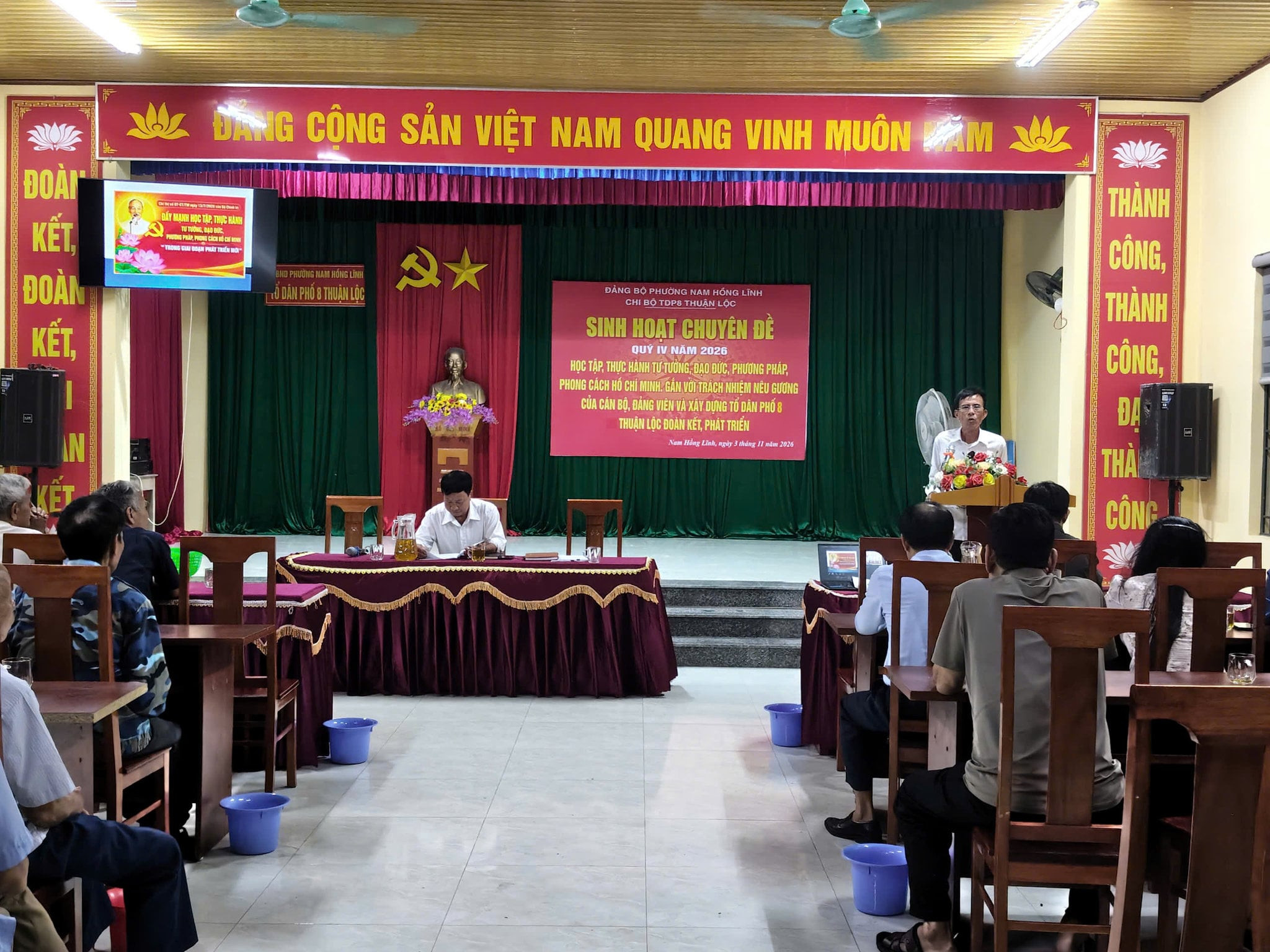
Based on the practical experience of TDP 8 Thuan Loc, Nam Hong Linh ward, Ha Tinh province, Party member Tran Phu believes that the right to self-governance must be promoted right from the residential area level. Common matters such as selecting neighborhood group leaders, contributions, building cultural life, and environmental protection should be transparent and democratically discussed. The Party branch leads but does not usurp the people's right to choose; each Party member must be exemplary, listen to, and respect community opinions. In preparing for the election of neighborhood group leaders, the Party branch should guide and nominate qualified personnel but must respect the people's right to choose, ensuring democracy, openness, and transparency. The chosen person must have prestige, responsibility, and the ability to unite the people.
From these specific examples, it can be seen that Ho Chi Minh's ideology of a State of the People, by the People, and for the People must be realized through a government that is close to the people and respects the people; officials who are dedicated to solving problems, without avoiding or shirking responsibility; and all issues related to the community that are discussed openly and respect the opinions of the people.