

3/11 - Removing procedural obstacles and protecting the achievements of creators
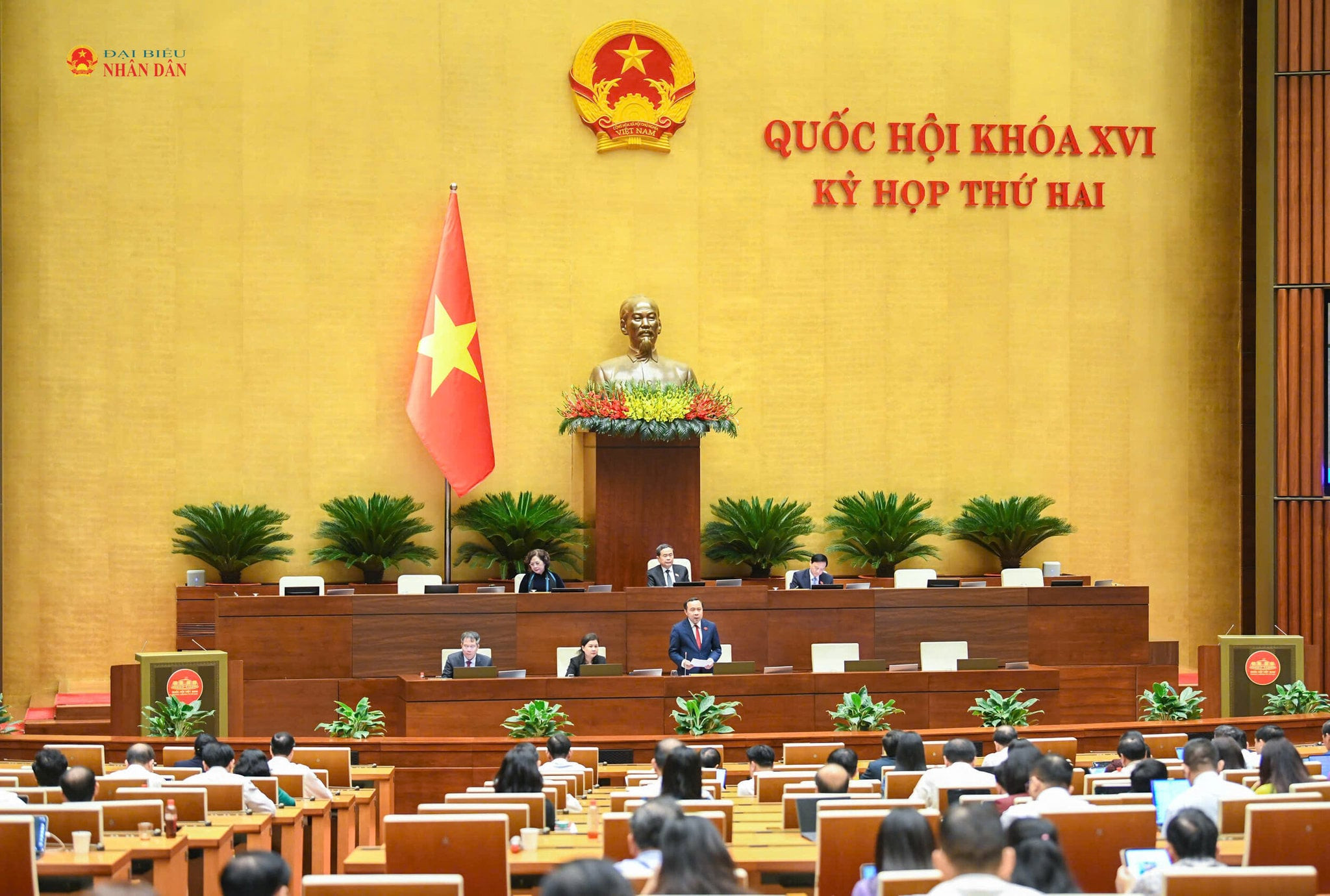
During the plenary session on November 3rd, National Assembly Deputy Bui Van Dung (Thanh Hoa) commented on the draft Law amending and supplementing several articles of the Law on Intellectual Property, proposing clear regulations on the responsibilities for handling industrial property rights transfer procedures, ensuring objectivity in assessment, and improving the mechanism for protecting plant varieties. The revised regulations should facilitate creators in exploiting and protecting their rights and receiving benefits commensurate with their efforts.
Transparency in the transfer processing schedule and objectivity in the appraisal process
Agreeing with the necessity of amending the Intellectual Property Law, National Assembly Deputy Bui Van Dung stated that, in recent years, intellectual property law has made progress in protection and commercial exploitation. The 2025 Law has added regulations on intellectual property, the digital environment, and artificial intelligence. However, procedures and enforcement capacity still have limitations, as mentioned in the explanatory report. A recognized right that is difficult to transfer and protect still has limited value for the creator.
According to the delegates, this revision needs to address those obstacles, align with the 2026 amendment to the Investment Law regarding inspection services, and improve the management of plant variety rights. The scope of the revision is not broad, but responsibilities must be clearly defined to avoid businesses having to wait for guidance.
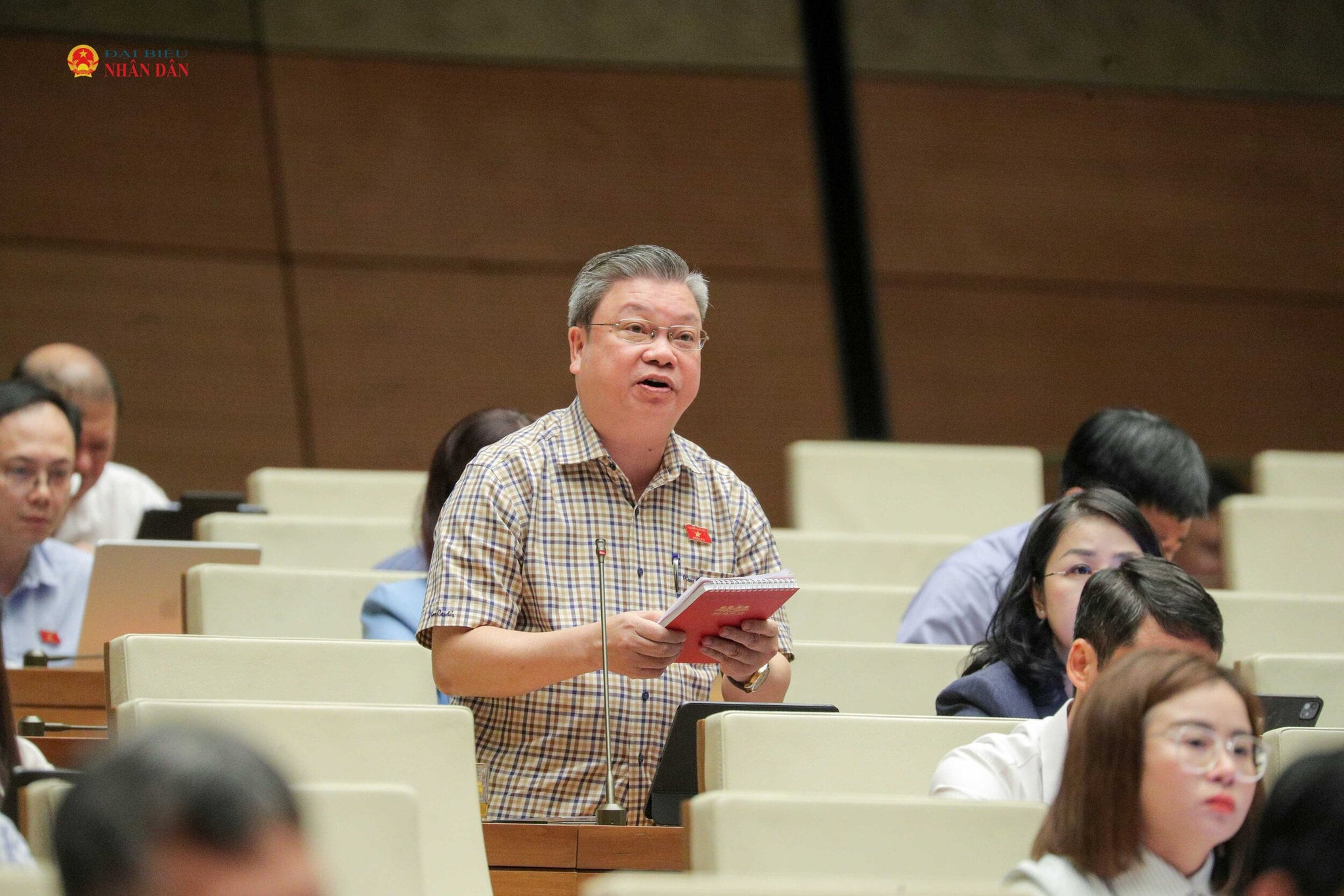
Regarding the transfer of industrial property rights, delegates assessed that Clauses 2 and 3 of Article 138, as proposed in the amendment, distinguish between the validity of the contract between the parties and the time when the transfer of rights takes effect upon recording. This provision is consistent with Article 401 of the Civil Code on contract validity and exceptions under specialized laws.
However, the delegates requested clarification on the responsibilities of the registering agency. For example, a business may have paid for a trademark but not yet been registered as the owner; the prolonged waiting time will affect the exploitation and protection of rights.
Although the report already stated the deadline and procedures in the circular under Clause 4, Article 97, the representative still proposed adding Clause 1c to Article 97, stipulating that the state management agency for industrial property rights is responsible for publicly disclosing the progress of processing requests, notifying the reasons for delays in processing, and updating transfer information. Recording this responsibility directly in the law would increase its binding nature. At the same time, it is necessary to cross-check documents and costs to ensure that the process of amending certificates truly reduces the burden on citizens.
Regarding the quality of expert assessments when business conditions are abolished, delegates agreed with the draft Article 201 adding the obligation to notify and publicly disclose professional information and defining expert assessment conclusions as a source of evidence.
To ensure objectivity, the delegate proposed adding point e to Clause 3 of Article 201, stipulating that the expert must refuse to conduct the expert assessment when they have rights or interests related to the subject or case being assessed, or for other reasons that affect the objectivity of the conclusion.
The explanatory report stated that the obligation to refuse expert assessment was stipulated in the decree. However, according to the representative, this principle should be elevated to law when expanding the scope of service providers. A person representing one party in a dispute cannot simultaneously assess the same case.
The delegates also suggested that, according to Clause 6 of Article 201, the Government should specify how to verify conclusions, handle conflicting results, and determine compensation responsibilities. The guidelines must maintain a clear distinction from forensic examination as stipulated in Clause 1 of this Article, and should not reinstate business conditions that have been abolished.
Improve coordination mechanisms and protect the rights of breeders.
Regarding plant variety protection, National Assembly Deputy Bui Van Dung assessed that the provision in Clause 2, Article 178, allowing applicants to conduct their own trials, is a positive step. The Deputy cited Singapore's experience with a mechanism for reviewing trial reports from other UPOV members, suggesting a way to reduce duplicate trials and verify data.
Regarding coordination between agencies, the report suggests studying Clause 4, Article 13 of the Law on Crop Production when comprehensively amending this law. However, delegates argued that the coordination mechanism must be ready when transferring the protection authority to the Ministry of Science and Technology .
Based on that, the delegates proposed adding to Clause 5 of Article 11 a provision assigning the Government the authority to regulate the coordination mechanism between competent agencies in simultaneously granting decisions on the recognition of circulation and plant variety protection certificates in accordance with the law on crop cultivation.
Regarding Clause 3 of Article 170, the delegate proposed adding a provision for reminding patent holders of the deadline for fee payment via electronic means. This content is related to the requirement of creating conditions for breeders to protect their research results when procedural oversights occur.
The report stated that the draft circular allocated six months for rectification following the suspension. Representatives suggested considering including this deadline and the timeframe in Clause 5 of Article 170.
"Each amendment helps creators feel secure in their work and receive benefits commensurate with their efforts. Protecting today's achievements also maintains their trust so they can continue to create tomorrow," emphasized delegate Bui Van Dung.