

Hue City: High-tech applications used to search for mass graves of martyrs from the 1968 Tet Offensive
Upholding the principle of "Drinking water, remembering the source" and fulfilling the sacred responsibility to those who fell for national independence, on the evening of June 25th, the authorities of Hue City officially deployed ground-penetrating radar (GPR) to survey and search for suspected mass graves of martyrs within the Hue Imperial Citadel area of Hue City.
Lieutenant General Ha Tho Binh, Commander of Military Region 4, and Mr. Nguyen Van Manh, Vice Chairman of the People's Committee of Hue City, were present at the site to inspect and direct the survey work.
"The technological key" to unlocking underground secrets.
On the first day of the operation, experts and specialized forces focused their search on two key locations: the area around Xuan 68 Street and the area around the West Gate of the Hue Imperial Citadel. These were core coordinates identified based on historical sources and the memories of living witnesses.
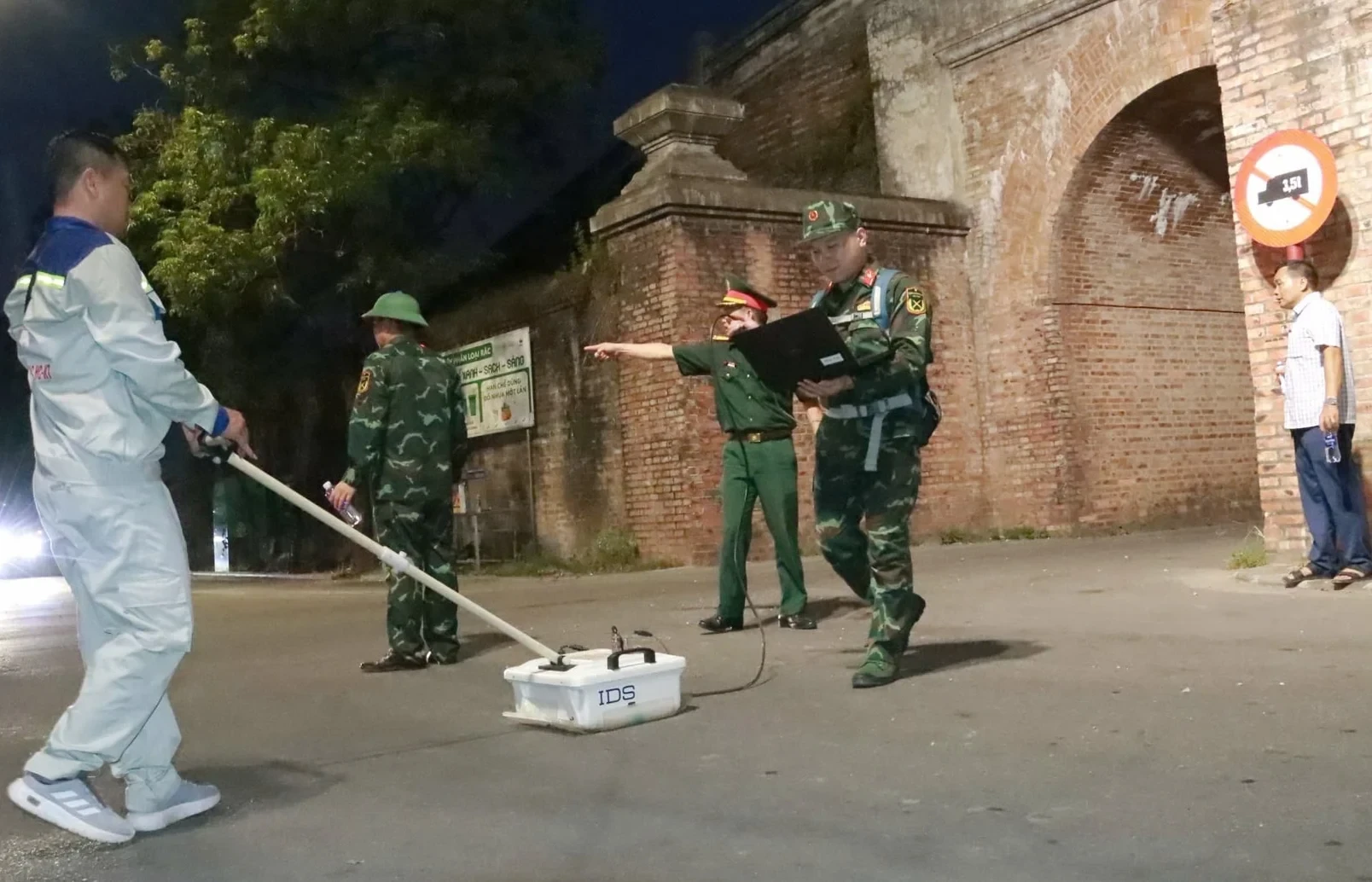
Due to the unique characteristics of the suspected locations, which are currently situated beneath paved residential roads and a complex network of underground electrical and water supply and drainage systems, the Steering Committee for the Search, Collection, and Identification of Martyrs' Remains in Hue City has decided to propose a high-tech solution. Radar operates by emitting electromagnetic waves into the ground, recording the reflected signals to detect signs of geological disturbance, burial pits, or structural anomalies without excavation, ensuring no impact on existing urban infrastructure.
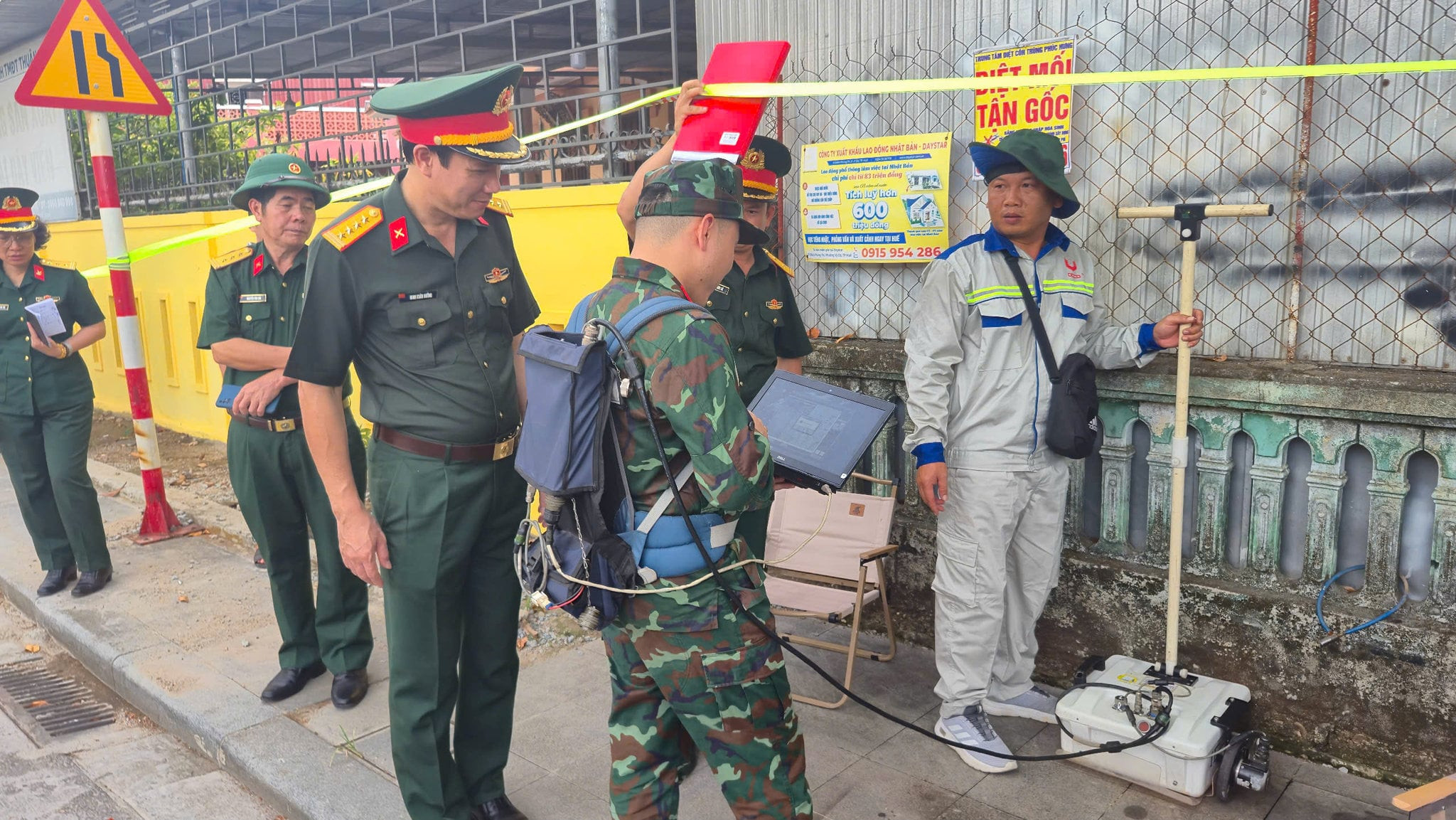
According to the plan, after clearing an area of approximately 1,350m² at the suspected sites, experts will proceed to extract and analyze the data to pinpoint the most accurate area, serving the excavation and verification work in the next phase.
A story told from memory 58 years ago.
Behind the coordinates on the digital map lie fragments of the painful yet heroic memories of the Tet Offensive and Uprising of 1968.
According to eyewitness account - Mr. Le Van Luot (born in 1956, residing in Phu Xuan ward): On January 25, 1968, he personally witnessed approximately 15 bodies of fallen soldiers being collected and buried in a bomb crater nearly 3 meters deep near the West Gate. Comparing the current location, that historical bomb crater is now situated directly beneath Ton That Thiep Street, at the intersection with Thai Phien Street.
Furthermore, through outreach and information gathering from veterans and residents of residential area 15 Tay Loc (Phu Xuan ward), the authorities expanded the scope of verification, identifying numerous additional locations with high-level structures in the Huu Gate, Hau Gate, and former Tay Loc airport areas.
Scientific , rigorous, and thorough.
Directly encouraging the forces on duty at the scene, Lieutenant General Ha Tho Binh - Commander of Military Region 4 emphasized: The work of searching for and collecting the remains of martyrs is a sacred political task, a command from the heart of today's generation.
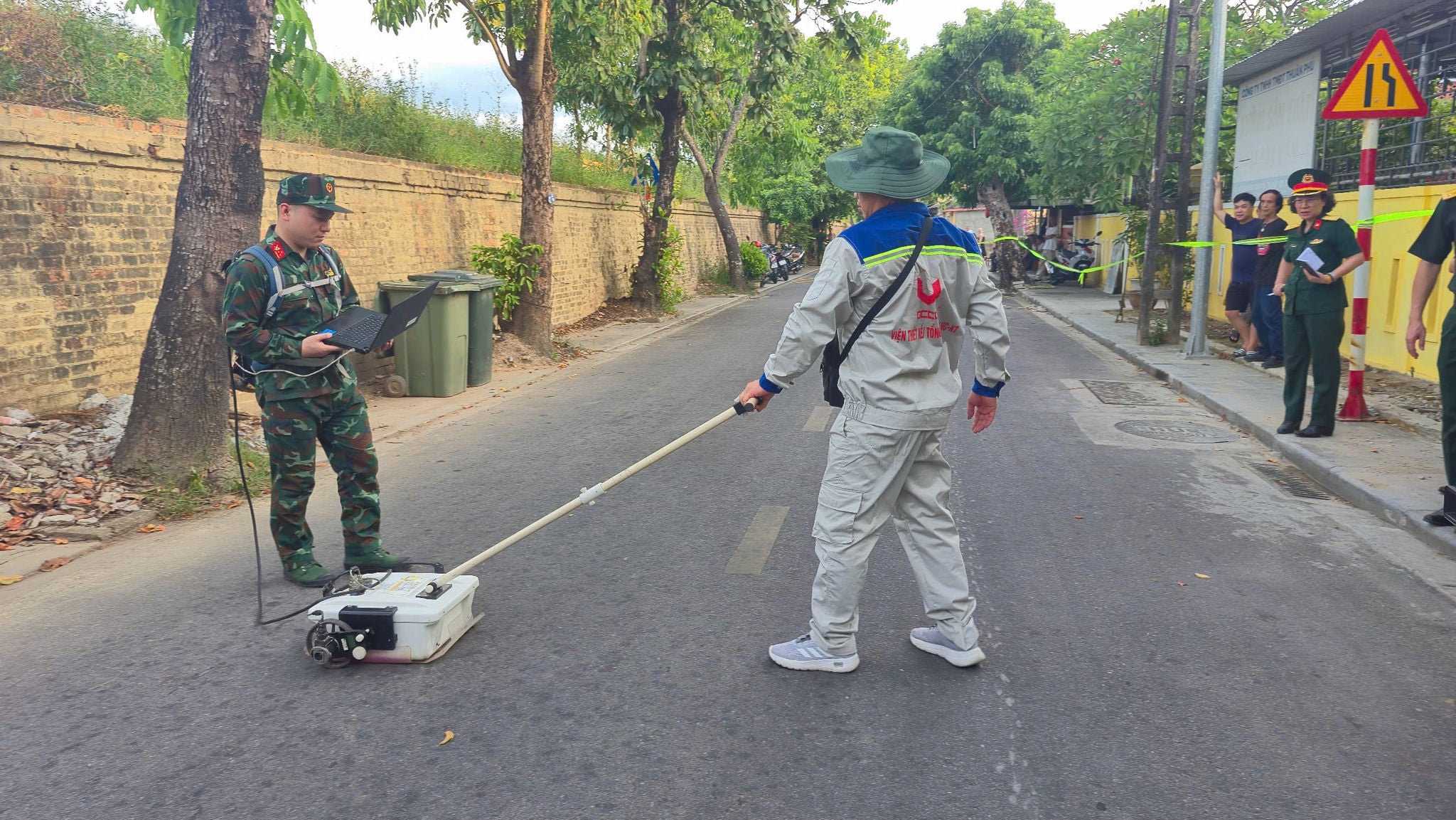
The Commander of Military Region 4 requested that specialized units demonstrate the highest sense of responsibility and conduct thorough and scientific reviews. The radar data analysis process must be carried out rigorously, combining both "technical measures" and "social measures"—that is, accurately comparing scanned images with witness accounts and relevant historical documents—in order to bring the fallen heroes back to their homeland as soon as possible, in accordance with regulations.
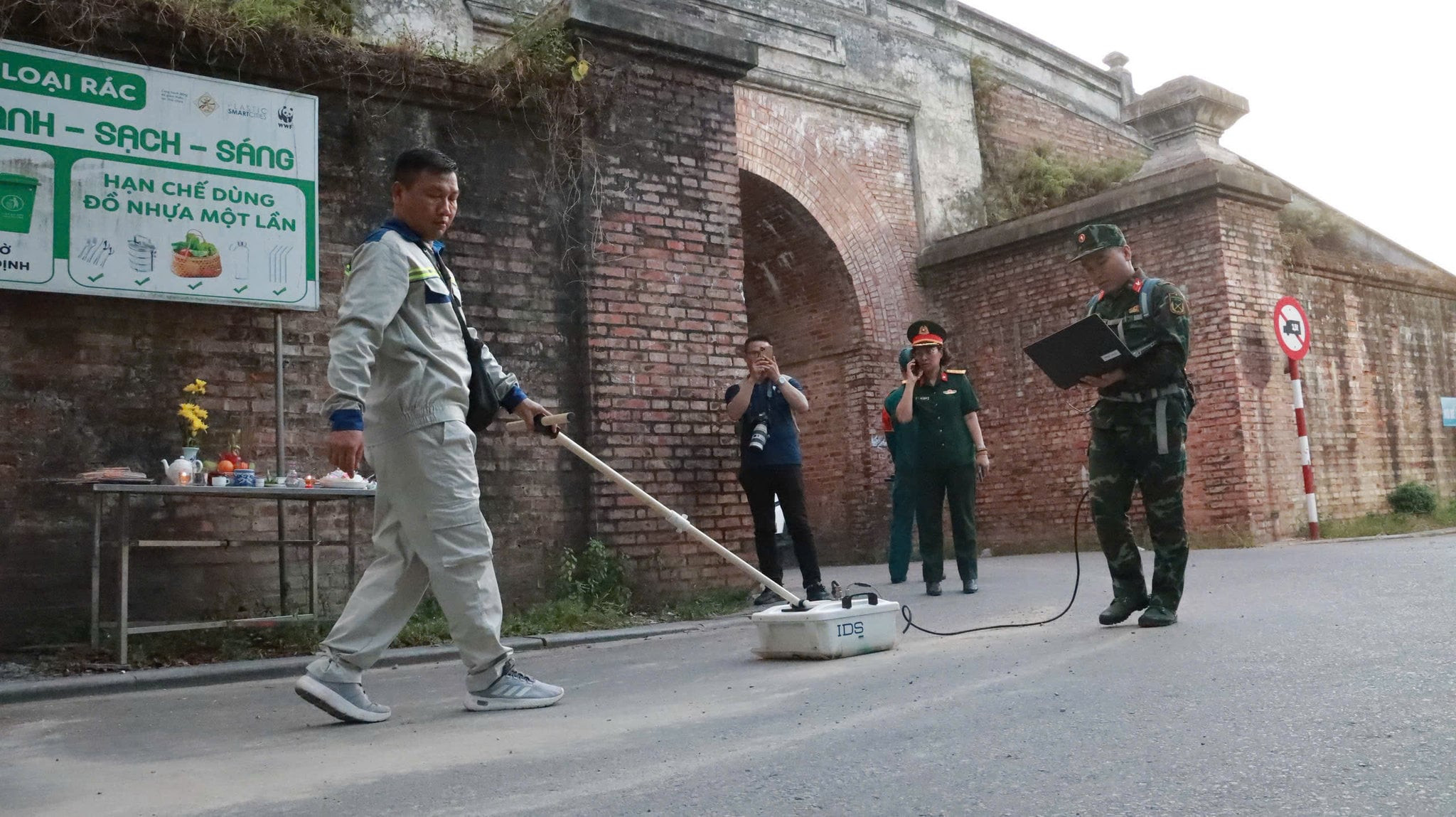
The search operation beneath the ancient capital is not just a technical endeavor, but a race against time to restore the names and appearances of those who sacrificed their youth for the Fatherland. The People's Deputies Newspaper will continue to update information on this sacred search operation.