

Hopefully, the families of fallen soldiers will no longer have to wait
Robert Ambrose Connor, a former American soldier who fought in Vietnam, has become a companion on the journey to find the remains of fallen soldiers, hoping to help end the pain of war and bring those who have fallen back to their families.
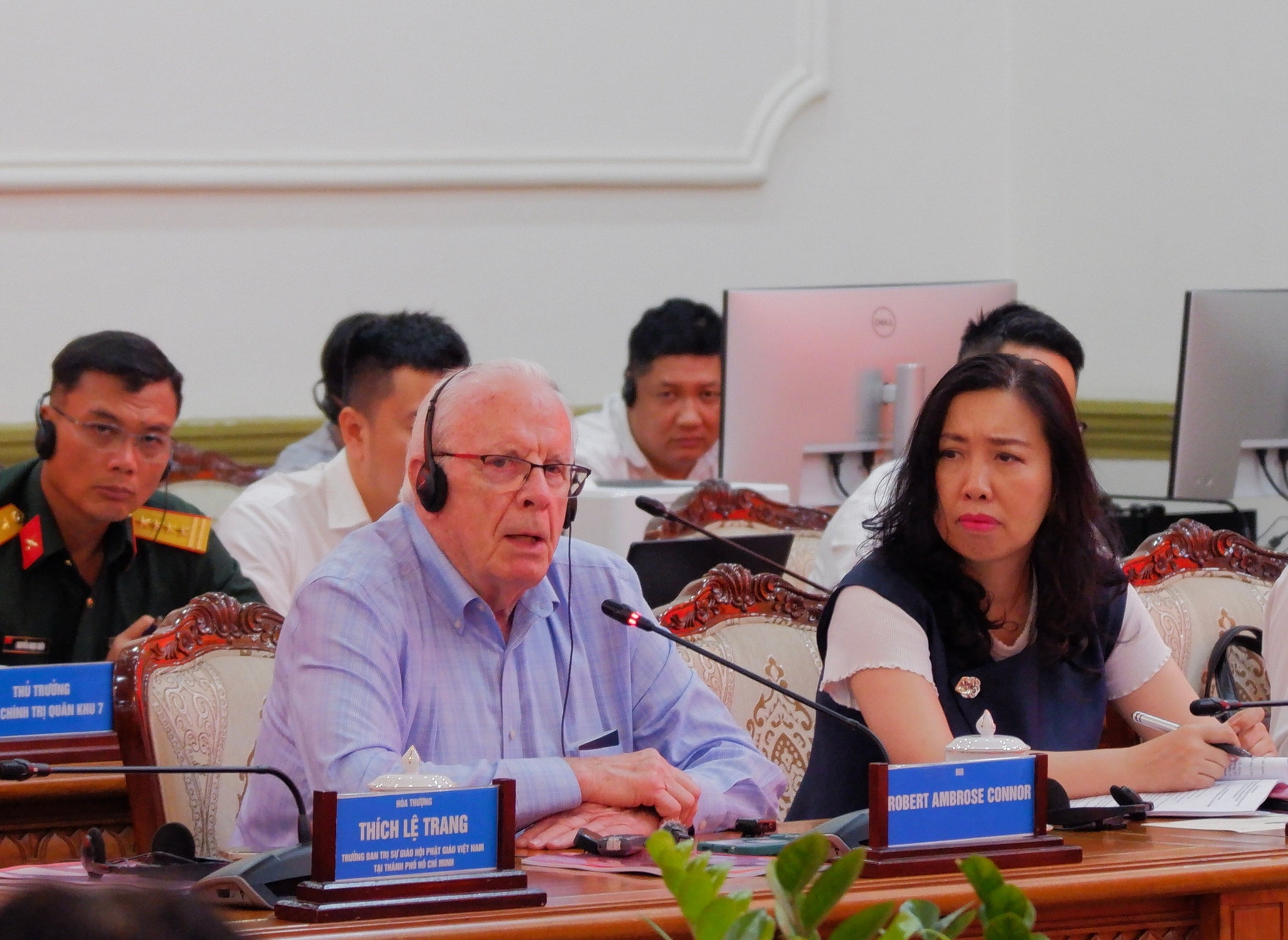
At the workshop to verify and conclude information on the mass grave of martyrs buried at the Do Thanh Cemetery (Chi Hoa - Saigon), now Le Thi Rieng Park (Hoa Hung ward), organized by the National Steering Committee for the Search, Collection and Identification of Martyrs' Remains (National Steering Committee 515) on the morning of June 8th in Ho Chi Minh City, Mr. Robert Ambrose Connor - a former police sergeant at Bien Hoa Airport - recounted his nearly 60-year journey filled with war memories and efforts to find Vietnamese martyrs.
As a key witness to the war, Robert Ambrose Connor has provided crucial information over the years, helping authorities locate several mass graves. From the perspective of someone who was on the other side of the conflict, he says his experiences during the war have changed his understanding of war and humanity.
He recalled that on April 5, 1967, when he arrived in Vietnam, he believed he was fulfilling a necessary mission. However, after only a short time, what he witnessed on the ground led him to begin questioning the true meaning of the war.
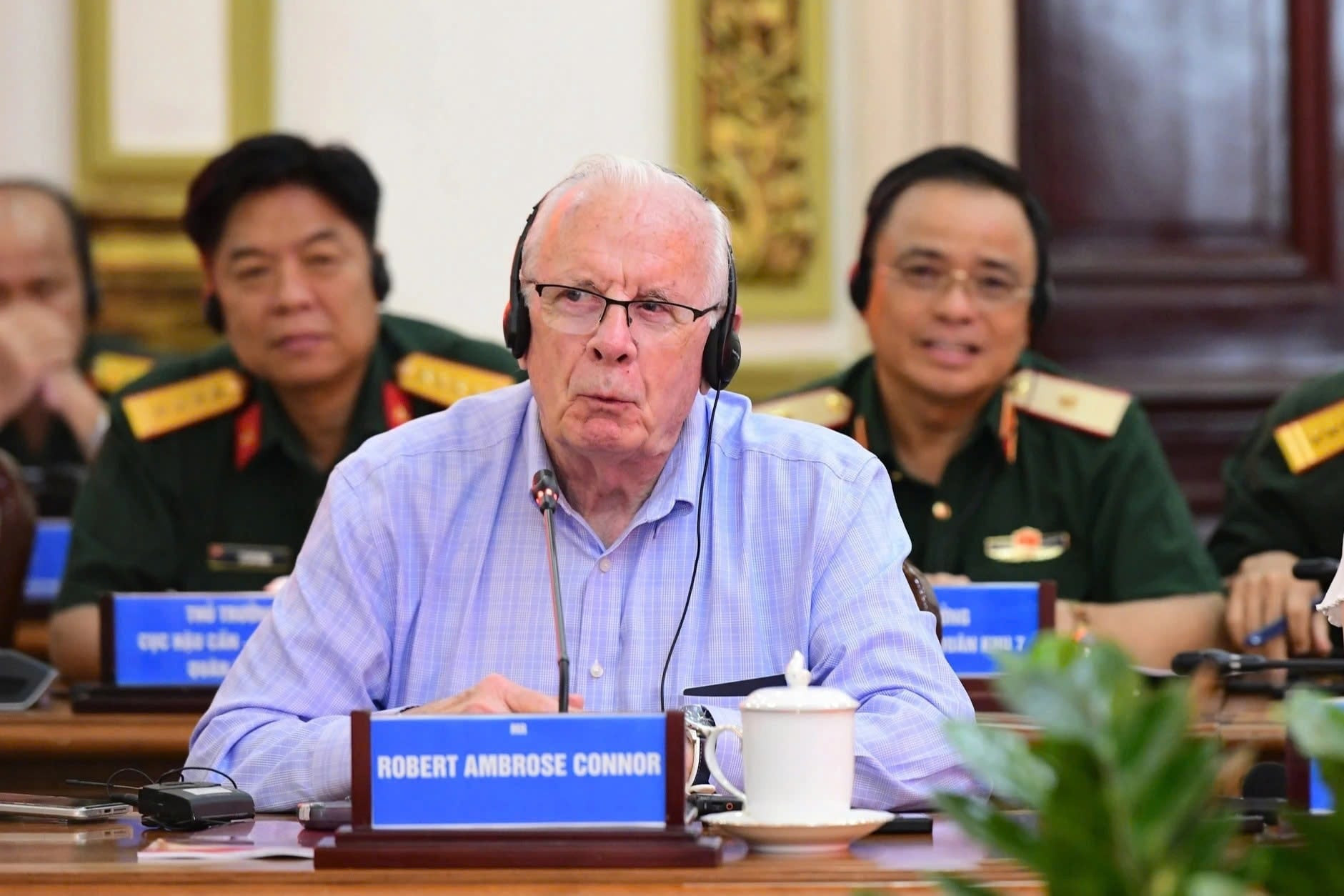
During his time on duty protecting the eastern perimeter of Bien Hoa Air Base, he faced danger many times. In particular, after the mortar and rocket attack on the base on the night of May 12, 1967, he said he began to view the war from a different perspective. Although he continued his military duties, his thinking gradually changed.
On the night of January 31, 1968, during the Tet Offensive, he was assigned to be on duty at the water tower of Bien Hoa Air Base, tasked with identifying artillery barrages and mortar and rocket firing positions.
The Chairman of the People's Committee of Lam Dong province, Ho Van Muoi, has issued a document requesting the Provincial Steering Committee 515, relevant departments, localities, and units to focus on the decisive and coordinated implementation of the tasks of the 500-day campaign to search for, collect, and identify the remains of fallen soldiers.
According to Robert Ambrose Connor, the soldiers who attacked the base that night were well-trained, fought tenaciously, and were highly determined. The battle lasted 12 hours. After the battle, his unit lost two soldiers, including their commander, who died near his position.
Leaving Vietnam on April 5, 1968, and completing his military service in the United States in 1969, he returned to a normal life. However, the memories of the graves in Bien Hoa continued to haunt him.
The turning point came in October 2016, when he was assisting his niece with her research on Vietnam. By examining satellite imagery on Google Earth, he identified the location of a mass grave in Bien Hoa and left a note with specific coordinates.
Just 10 days later, he received an email from Vietnam requesting further information. From then on, he began coordinating with veterans, witnesses, and authorities in the search for the remains of fallen soldiers.
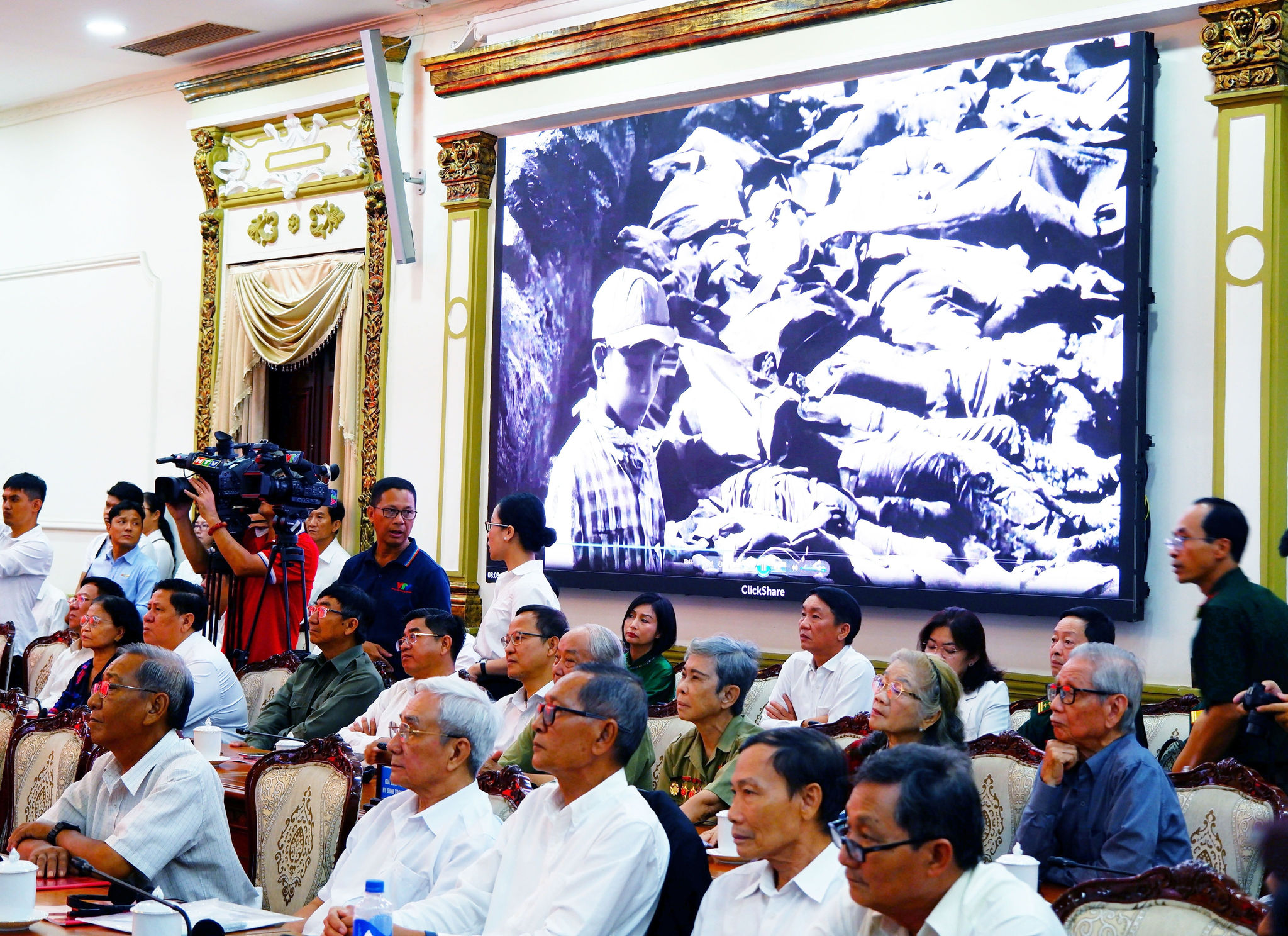
In March 2017, he was invited back to Vietnam. On April 13, 2017, the mass grave in Bien Hoa was found at the exact location he had provided. According to him, although the number of remains found was less than expected due to the area having been affected by construction projects, this result was still particularly significant as the identities of some martyrs were confirmed through preserved artifacts.
Deeply moved when speaking of those who fell, Robert Ambrose Connor affirmed that the sacrifices of the martyrs in Bien Hoa and many other places across Vietnam have contributed to making Vietnam what it is today.
Currently, his volunteer group continues to coordinate the search for other mass graves in Bien Hoa and other localities. According to him, time is becoming a major challenge because the veterans, former soldiers, and historical witnesses are all elderly, and their memories are fading.
Based on that experience, he proposed strengthening cooperation and promoting the application of modern scientific methods in the search for and identification of the remains of fallen soldiers. He believed that, even after many years, the remaining traces in the ground could still be discovered using appropriate methods.
"For families, it's time for this journey to come to a proper end. They deserve it," Robert Ambrose Connor emphasized.