

General Secretary Tô Lâm: The National Assembly and People’s Councils must truly embody renewal, action, effectiveness, closeness to the people and dedication to their interests
General Secretary Tô Lâm affirmed that the success of an election is truly complete only when it is translated into the effective performance of the new term. Building on this success, we must become even more deeply aware that the 16th National Assembly and People’s Councils at all levels for the 2026–2031 term must embody renewal, action and effectiveness, remain close to the people and act in their interests.
As reported by Đại biểu Nhân dân Newspaper, General Secretary Tô Lâm attended a national conference this afternoon, March 31, reviewing the election of deputies to the 16th National Assembly and People’s Councils at all levels for the 2026–2031 term. The conference was organised by the National Election Council.
Evidence of the people’s firm confidence and sense of ownership towards the State and political system
Delivering a directive address at the conference, General Secretary Tô Lâm affirmed that the election held on March 15, 2026, had been highly successful. He highlighted five outstanding achievements and five profound lessons drawn from the election.
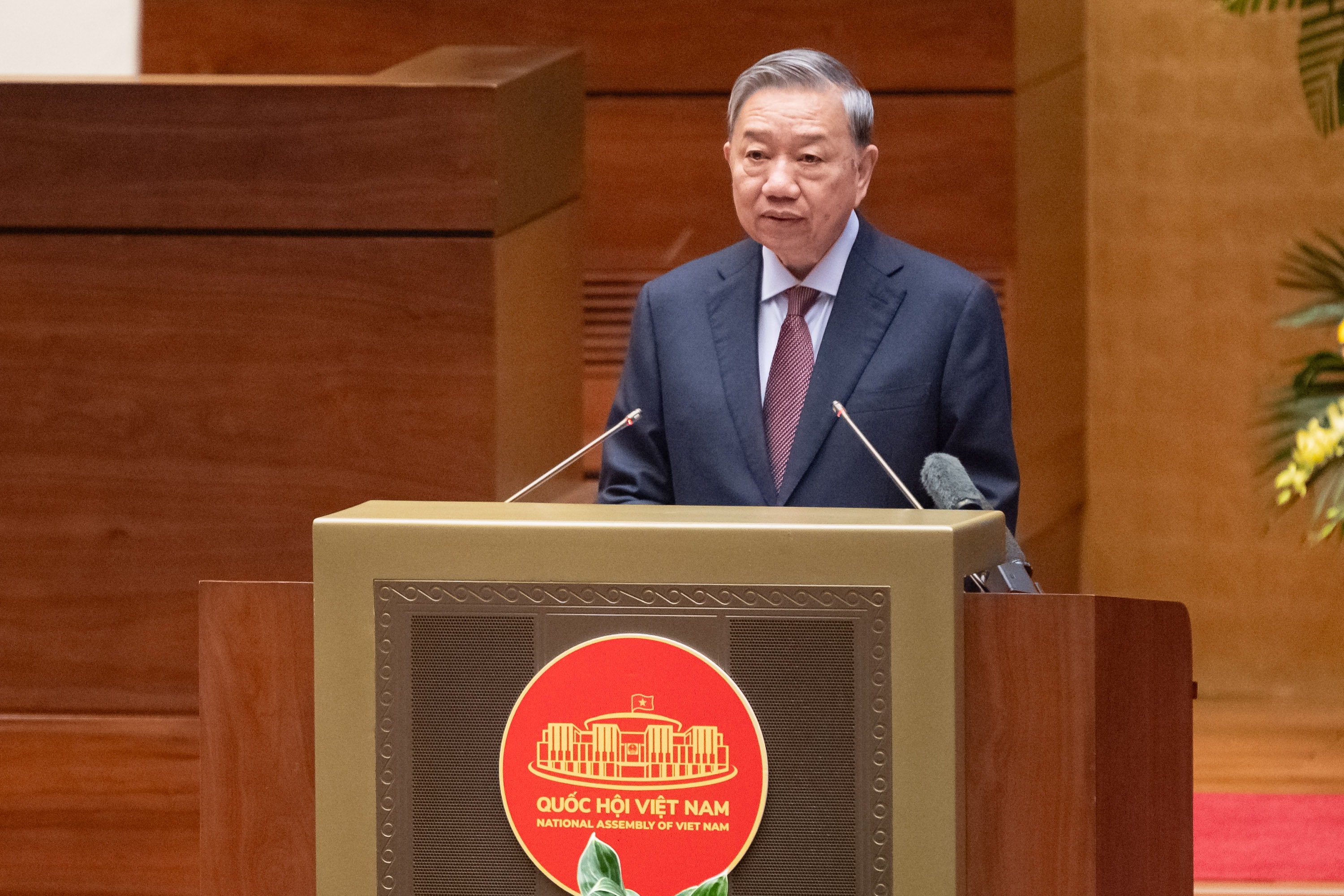
Regarding the five outstanding achievements, the General Secretary first highlighted the exceptionally high voter turnout.
According to the report, 76,198,214 of the country’s 76,423,940 registered voters cast their ballots, representing a record turnout of 99.70%. Notably, no constituency was required to hold a re-election. All 500 National Assembly deputies were elected, while the required numbers of deputies to provincial- and commune-level People’s Councils were also elected nationwide.
“These figures reflect not only the effectiveness of the organisational work but, more profoundly, the people’s political confidence, civic awareness and sense of ownership towards our State and political system,” the General Secretary emphasised.
The second achievement was the continued improvement in the quality, composition and representativeness of the elected deputies. Full-time National Assembly deputies are expected to account for 40%, the highest proportion to date. The 16th National Assembly comprises 150 female deputies, representing 30%; 76 ethnic minority deputies, or 15.2%; 18 non-Party deputies, or 3.6%; and 33 deputies under the age of 40, or 6.6%. Notably, for the first time in the history of Vietnam’s National Assembly, the Ơ Đu ethnic group has a representative.
According to the General Secretary, these profoundly significant results demonstrate progress in two areas simultaneously: improving the quality of deputies and ensuring the inclusiveness and representativeness of the country’s highest organ of state power.
The third achievement was that preparations had begun early and were conducted methodically, consistently and rigorously from the central to grassroots levels. Before election day, the National Election Council issued all 27 legally required documents, together with 14 resolutions and guidance documents and an additional 34 technical guidance materials for localities.
Every stage—from consultation and the nomination of candidates to the preparation of voter lists, organisation of polling stations, inspection, supervision, communications and security arrangements—was conducted according to schedule and in a coordinated and consistent manner. The General Secretary affirmed that these thorough preparations had laid a solid foundation for the success of the election nationwide.
The fourth achievement was the clear progress made in digital transformation and the application of technology to electoral organisation. Technology platforms were deployed in a coordinated manner, enabling information to be communicated rapidly, accurately and securely. The use of the National Population Database and the VNeID application in voter management helped improve the efficiency, accuracy and transparency of the entire process.
In addition, the National Election Council’s online portal and its multilingual election information website provided strong support for communications activities, enabling voters to access official, comprehensive and timely information.
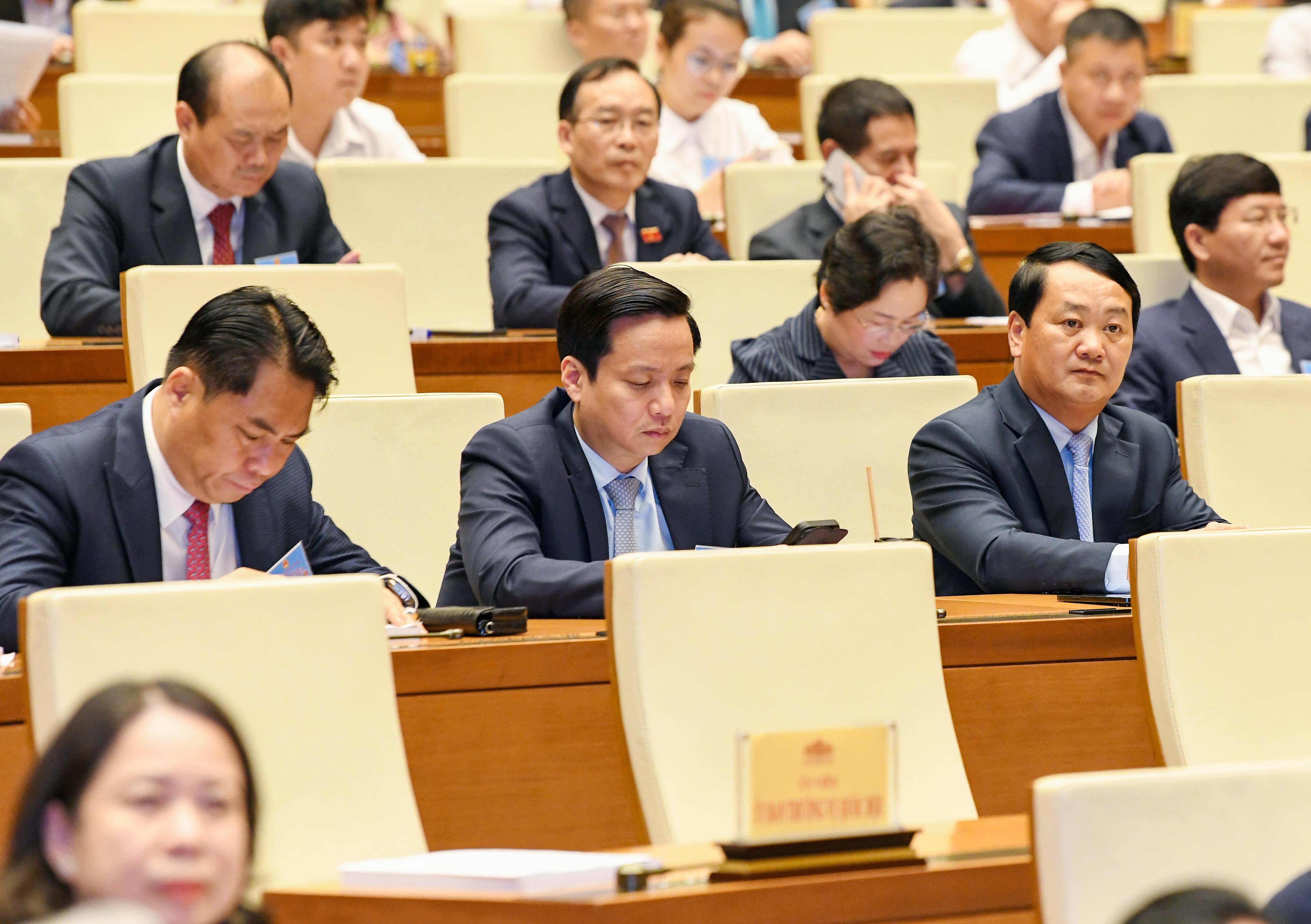
The fifth achievement was the maintenance of political security, public order and social safety throughout the electoral process. Election-related complaints, denunciations and recommendations were promptly received and handled in accordance with regulations. The number of submissions was lower than during the previous term, while no serious incidents or unusual circumstances arose that could have affected the election results.
This demonstrated the highly proactive, professional and responsible performance of the entire political system, the relevant forces and electoral bodies at all levels.
Voters’ confidence must be swiftly translated into action
Based on these results, the General Secretary identified five particularly important lessons.
The first lesson was the need to ensure focused, unified and consistent leadership while fully promoting the responsibility of the entire political system.
The recent election benefited from the close, unified and timely direction of the Party Central Committee, Politburo, Secretariat and National Election Council; the coordinated and effective cooperation of central agencies; and the proactive and responsible involvement of Party committees, authorities, Vietnam Fatherland Front organisations and mass organisations in every locality and at the grassroots level.
“Practice has demonstrated that wherever Party committees provide close and attentive leadership, authorities act resolutely, and relevant forces coordinate closely and consistently, electoral work is conducted rigorously, systematically, lawfully and effectively.
“This once again confirms that the decisive factor in the success of an election is unified leadership and direction from the central to grassroots levels, combined with the proactiveness, creativity and strong sense of responsibility of the entire political system,” the General Secretary emphasised.
The second lesson was that personnel work must be conducted with the utmost thoroughness and democracy, in strict accordance with the law and genuinely in the common interest.
The quality of deputies determines the quality of the National Assembly’s and People’s Councils’ performance. Every stage—from consultation, nomination, verification and publication of candidate lists to meetings with voters, voting and ballot counting—must therefore be open, transparent, rigorous and objective.
“A successful election is not merely one in which the required number of deputies is elected. More importantly, it must select people of genuine virtue and talent who possess resolve, the capacity for action and a spirit of service to the people,” the General Secretary stressed.
The third lesson was that the people must be placed at the centre of the entire electoral process.
“The record voter turnout resulted not only from effective organisation but also from voters feeling respected, fully informed and provided with the most favourable conditions in which to exercise their civic rights.
“The organisation of early voting in 217 special polling areas across 11 localities demonstrated the commitment to ensuring that no voter was excluded from the country’s festival of democracy. This is an extremely important lesson in inclusiveness and in substantively safeguarding the right to vote for every citizen, in every region and under all circumstances,” the General Secretary emphasised.
The fourth lesson was that communications work must remain one step ahead and undergo vigorous reform in both content and methods. Given the rapid development of digital communications, unless official information reaches the public quickly, clearly and accessibly, the resulting information vacuum can easily be filled by false or unverified information.
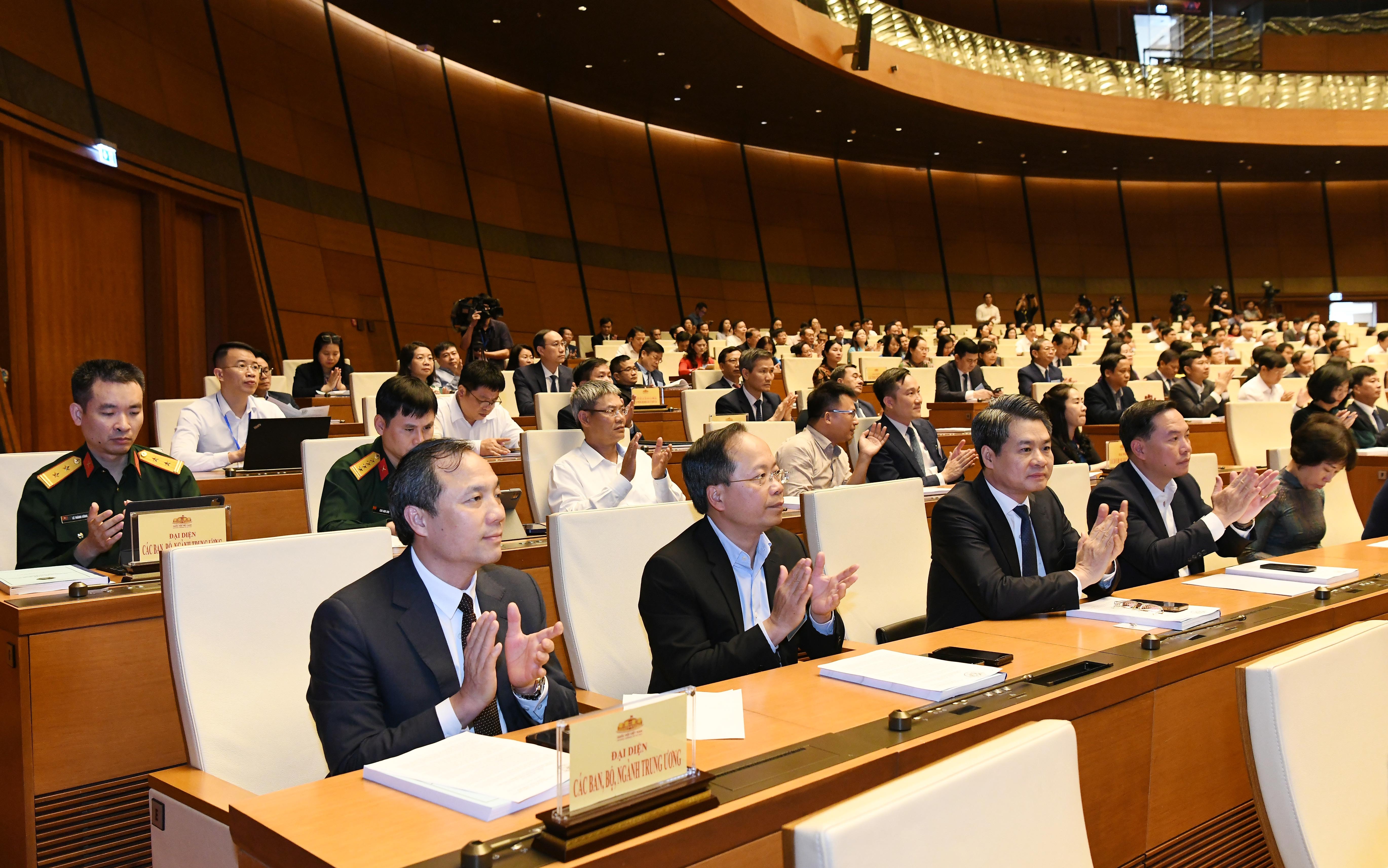
According to the General Secretary, the recent election demonstrated that combining direct grassroots communications with digital platforms, population data, technological applications and diverse media channels could considerably improve public mobilisation and guidance and help build social consensus.
The fifth and most important lesson was that the success of an election becomes truly complete only when it is translated into the effective performance of the new term.
“Voters’ ballots do not cease to matter after election day. Their votes must be carried forward through the quality of legislation, the effectiveness of oversight and sound and timely decisions that meet the country’s development requirements in the new period.
“The 16th National Assembly and every elected deputy therefore bear an immense responsibility: they must swiftly translate voters’ confidence into action, legislative products, effective oversight and practical decisions that serve the people and advance national development.”
Emphasising this point, the General Secretary stated that the election of March 15, 2026, had left an important mark: the convergence of the Party’s will, the people’s aspirations and the ambition to develop the country. Its success resulted from thorough preparations, close leadership and the coordinated participation of the entire political system and, above all, the strong sense of responsibility demonstrated by tens of millions of Vietnamese voters.
“Building on this success, we must become even more deeply aware that the 16th National Assembly and People’s Councils at all levels for the 2026–2031 term must embody renewal, action and effectiveness, remain close to the people and act in their interests.
“Every elected deputy must always remember that they carry the confidence, expectations and trust of the electorate. Every decision made by the National Assembly, every oversight activity and every law enacted must pursue the highest objective of serving the Fatherland and the people and generating fresh momentum for the country’s rapid and sustainable development,” the General Secretary instructed.
With that confidence, the General Secretary expressed his belief that the lessons drawn from this election would continue to be inherited, promoted and further refined in the coming period. They would also provide a solid foundation for the 16th National Assembly to successfully fulfil its responsibilities to the Party, the people and history.