

Private sector gains momentum after one year of Resolution 68 implementation
A report by the Ministry of Finance on the first year of implementing the resolution highlighted fresh momentum in diversifying capital sources and removing administrative bottlenecks.

One year after Politburo Resolution No. 68-NQ/TW on private sector development came into force, Vietnam’s economic landscape has shown brighter prospects, marked by the strong rise of major private businesses and breakthrough institutional reforms.
Unlocking financial resources
A report by the Ministry of Finance on the first year of implementing the resolution highlighted fresh momentum in diversifying capital sources and removing administrative bottlenecks. However, experts say greater efforts are needed to ensure policies reach micro- and small-sized enterprises and business households, which form a critical part of the economy.
To implement Resolution 68, the Government directed ministries and agencies to roll out measures aimed at improving access to credit and reforming financing mechanisms. One of the most notable achievements is a shift in the banking sector’s lending approach.
Following guidance from the State Bank of Vietnam, credit institutions have increasingly prioritised capital flows into the private sector, promoted value-chain financing, and expanded cash-flow-based lending. By the end of December 2025, outstanding loans to small- and medium-sized enterprises (SMEs) exceeded 3.65 quadrillion VND (138.7 billion USD), up 21.73% year-on-year.
Meanwhile, National Assembly Resolution No. 198/2025/QH15 has opened up major opportunities for green and sustainable projects. The introduction of a 2% annual interest-rate support package for enterprises and business households implementing circular economy projects and applying ESG (Environmental, Social and Governance) standards has helped not only reduce capital costs but also encourage the private sector to keep up with global trends. The Government is considering two guiding decrees to facilitate the disbursement of these resources through commercial banks and State financial funds.
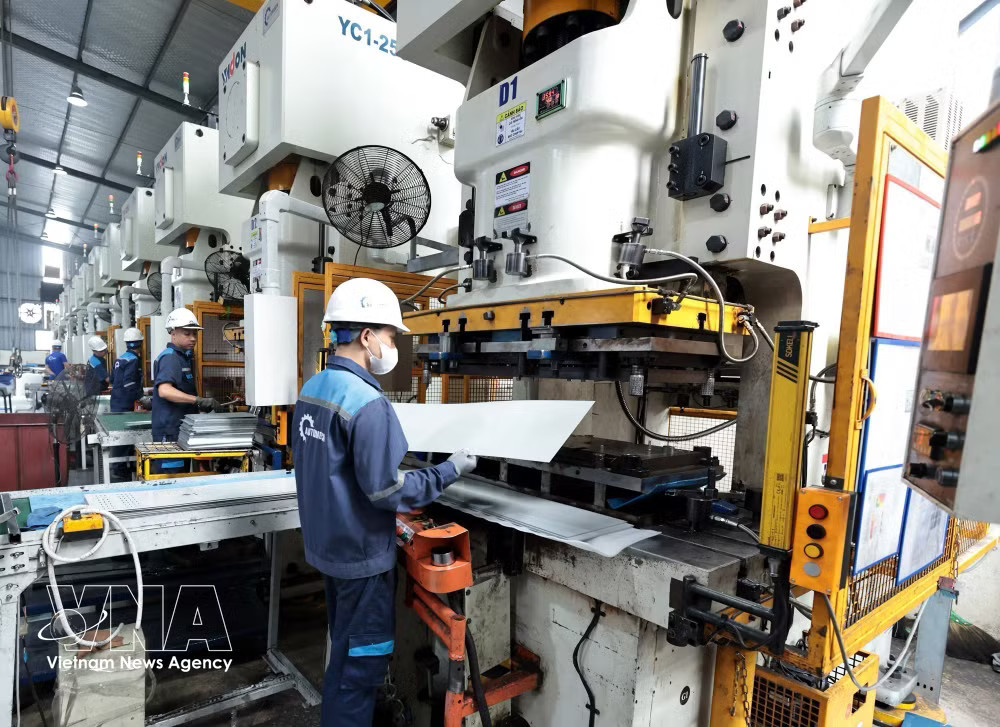
Despite these efforts, challenges remain. Dr. Le Duy Binh, CEO of Economica Vietnam, said the positive impact of Resolution 68 has been concentrated mainly among large enterprises, while many micro- and small-sized firms have yet to benefit significantly.
The experience of DACE, an organic farm produce exporter, reflects this gap. Its director Tran Van Hieu noted the company was unable to fully grasp the 2% interest-rate support programme while borrowing interest rates remain above 10%, placing considerable pressure on manufacturers working directly with farmers.
Although some companies maintain healthy cash flows, possess internationally certified products and have stable export markets, it still faces difficulties in accessing credit.
Similar concerns persist across the production sector, where collateral requirements continue to limit financing opportunities.
Binh also pointed to the management mindset toward business households and micro-enterprises. Treating them as subjects of management rather than development partners has made some businesses opt to maintain small and fragment revenues or continue cash-based transactions, further expanding the informal economy and undermining efforts to improve transparency.
Improving adaptability, creating transparent environment
Despite lingering obstacles for SMEs, Vietnam has made significant progress in nurturing large-scale private groups. The adoption of Law No. 90/2025/QH15 and guiding decrees on public-private partnerships (PPP) has considerably broadened the development space for private enterprises.
In 2025, a total of 564 projects with combined investment of 5.2 quadrillion VND were launched or inaugurated, with private capital accounting for nearly 75% of the total. Programmes to develop 1,000 pioneering enterprises and support businesses to expand to international markets during 2026–2030 are expected to promote Vietnam’s integration into global value chains.
Ngo Sy Hoai, Vice Chairman and General Secretary of the Vietnam Timber and Forest Products Association (VIFOREST), acknowledged substantive institutional improvements, particularly the shift from pre-approval procedures to post-licensing inspection. Digitalisation and cross-sectoral data connection have shortened procedures related to land, environmental permits, fire prevention and tax refunds, reducing compliance costs for businesses.
However, he noted that the wood industry continues to face difficulties in export markets. Export turnover reached 7.02 billion USD in the first five months of 2026, up only 2.9% year-on-year, while exports of deep-processing products declined by 3.5%. Higher logistics and material costs, stricter technical standards and trade investigations in major markets, especially the US, have weighed on growth.
Deputy Minister of Finance Nguyen Duc Tam said the greatest barriers facing the private sector remain the access to fundamental resources such as capital, land, technology and skilled labour.
To address these bottlenecks, the ministry will focus on stepping up tax and fiscal reforms, improving the efficiency of State financial funds, and expanding access to land through transparent leasing mechanisms for unused public assets, he noted.
One year after Resolution 68 took effect, a new legal foundation and development mindset have taken shape. Experts believe that while supporting major corporations is important to enhancing national competitiveness, nurturing millions of micro- small-sized enterprises is key to building a resilient and sustainable economy as the private sector strives to become a leading force in Vietnam’s next stage of development./.