

Top leader calls for building ecological civilisation, green Vietnam, and peaceful, sustainable ocean
Let every Vietnamese begin with one concrete action: planting and caring for a tree, reducing the use of single-use plastics, conserving energy, sorting waste, protecting water resources, keeping beaches clean, and promoting green lifestyles, wrote top leader To Lam.
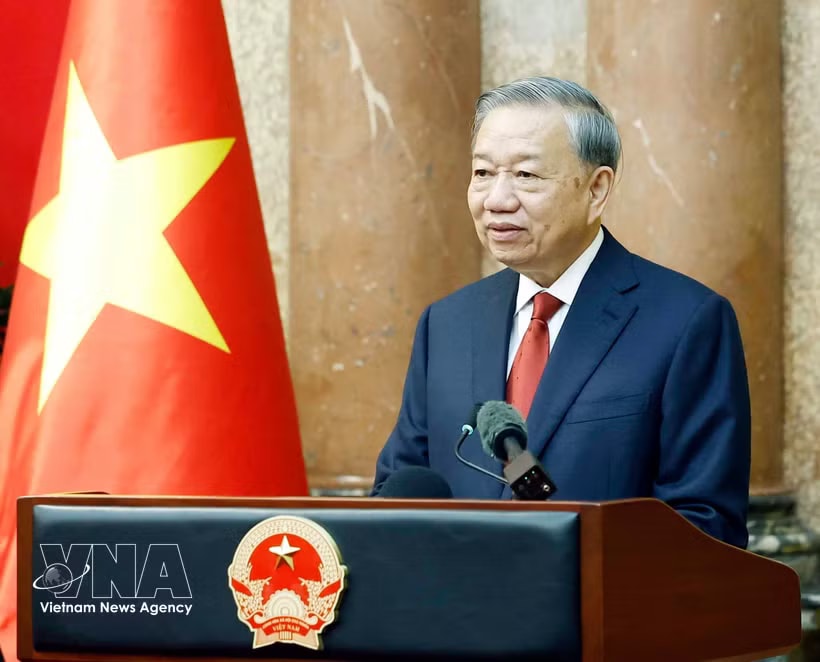
Hanoi (VNA) – Vietnam must overhaul its development model based on science, technology, and digital transformation, while ensuring the safety of the ecological environment in order to achieve rapid, sustainable growth and high-income status, Party General Secretary and State President To Lam said in an article.
The leader wrote the article, titled "For an ecological civilization, a green Vietnam and a peaceful, sustainable ocean," on the occasion of World Environment Day (June 5) and World Oceans Day (June 8). He stressed that environmental protection must be regarded as a core component of both national security and human security.
The following is a translation of the article.
FOR AN ECOLOGICAL CIVILIZATION, A GREEN VIETNAM AND A PEACEFUL, SUSTAINABLE OCEAN
On the occasion of World Environment Day (June 5) and World Oceans Day (June 8), we reflect more deeply on one of the defining issues of our time: the relationship between humanity and nature is undergoing profound changes, requiring new approaches to development, responsibility and action. A safe environment and a peaceful, sustainable ocean lie at the heart of development, security, peace, justice, ethics and the long-term survival of nations.
The world today is witnessing unprecedented and far-reaching changes to the ecological environment. Rising global temperatures, extreme weather events, melting ice, sea-level rise, droughts, floods, wildfires, saltwater intrusion, biodiversity loss, and marine and ocean pollution are affecting every continent. These imbalances suggest that nature’s limits are being pushed to a dangerous threshold.
These challenges raise a fundamental question for humanity: can development be sustainable if the ecological foundations that sustain life are being eroded? Over the centuries, humanity has achieved great advances in industry, science, technology, trade and urbanisation. Yet a development model that relies heavily on resource extraction, fossil-fuel consumption, linear production and a wasteful consumption behavior has also left a heavy ecological and environmental toll.
Against that backdrop, environmental protection must be regarded as a core component of both national security and human security. A country may post strong economic growth, but if its people are forced to live amid pollution and environmental degradation, such growth cannot be considered sustainable. A modern and prosperous society is one that creates wealth within ecological limits, uses resources responsibly, and views nature as a condition for survival, a national asset and a legacy for future generations.
The ocean illustrates even more clearly the interconnected nature of humanity. Climate disruptions or instability in one ocean region can affect food security, trade, energy security and livelihoods across many countries. Protecting the ocean, therefore, is not only an environmental obligation but also a requirement for peace, cooperation, international law, development equity and the shared responsibility of the international community.
For Vietnam, these issues carry particular significance. As a maritime nation, Vietnam is highly vulnerable to the impacts of climate change. With more than 3,260 kilometres of coastline, two major deltas, a dense river network and numerous coastal urban areas that are home to millions of fishermen and local communities, the country is especially exposed to sea-level rise, storms and floods, saltwater intrusion, erosion, pollution, resource depletion, ecological disruption and the overexploitation of nature.
Given this, Vietnam has demonstrated a strong sense of responsibility to the international community through its commitment to achieving net-zero emissions by 2050, advancing a just energy transition, reducing ocean plastic waste, promoting a circular economy, conserving biodiversity and implementing its sustainable marine economic development strategy. These commitments are not obligations imposed from outside, but arise from the country's own development needs. To develop rapidly and sustainably and become a high-income country, Vietnam must overhaul its development model based on science, technology, and digital transformation, and ensure the safety of the ecological environment. The cultural traditions of Vietnam’s regions, localities and rural communities have long embodied a spirit of harmony with nature. In the new era, this tradition should be elevated into a modern development value system founded on respect for nature, economical use of resources, responsible consumption, cleaner production, greener technologies, more transparent governance, and greater equity between generations.
With his far-sighted vision, President Ho Chi Minh, from an early stage, viewed humanity, nature, and the future of the nation as interconnected elements of a unified whole. He advised: “For the benefit of ten years, plant trees; for the benefit of one hundred years, cultivate people.” In this philosophy, “planting trees” is a practical action to build and improve the living environment, while “cultivating people” is the fundamental task of nurturing citizens who possess knowledge, morality and a strong sense of responsibility. He also wrote: “Spring is the festival of tree planting, making the country ever more like spring.” This simple yet timeless message reminds us that every tree planted represents hope for the future, and every act of protecting nature contributes to making the country more sustainable, prosperous and humane.
Regarding the seas and islands, he once told the people of Cat Ba, Cat Hai: “Forests are gold and the sea is silver. The forests and seas belong to us and are owned by our people; therefore, we must strive to tap and protect them.” These words embody a profound development philosophy: the right to utilise natural resources must always be accompanied by the responsibility to preserve them; exploitation must go hand in hand with protection; and today’s development must take account of future generations. The sea is not only a source of economic wealth but also a space for survival, sovereignty, culture, connectivity and strategic development for the Vietnamese nation.
Drawing upon Ho Chi Minh’s thought and the demands of the times, we must establish a consistent guiding principle that green development, environmental protection, ocean conservation and climate change adaptation should become a central pillar of the country’s development model in the new era. This is not solely the responsibility of the natural resources and environment sector; it is a shared task of the entire political system, the business community, every locality, every family and every citizen.
To achieve this goal, six major groups of tasks should be prioritised in the period ahead.
First, it is essential to improve development thinking and environmental governance institutions in the direction of recognising nature as the foundation of sustainable development. All development strategies, plans, programmes and projects must operate within the carrying capacity of ecosystems, climate resilience limits and the imperative of protecting public health. Development thinking must shift from addressing pollution after it occurs to preventing pollution right from the stage of development design. Environmental and natural resource governance should be reformed in an integrated, cross-sectoral and inter-regional manner. Development indicators should extend beyond output and growth rates to encompass quality of life, resource-use efficiency, emissions levels, climate resilience and social equity. Institutions must uphold the principle that polluters bear the costs of environmental damage, those who protect nature benefit from their efforts, localities pursuing green development are encouraged, businesses embracing green innovation are supported, and environmentally destructive acts are dealt with rigorously.
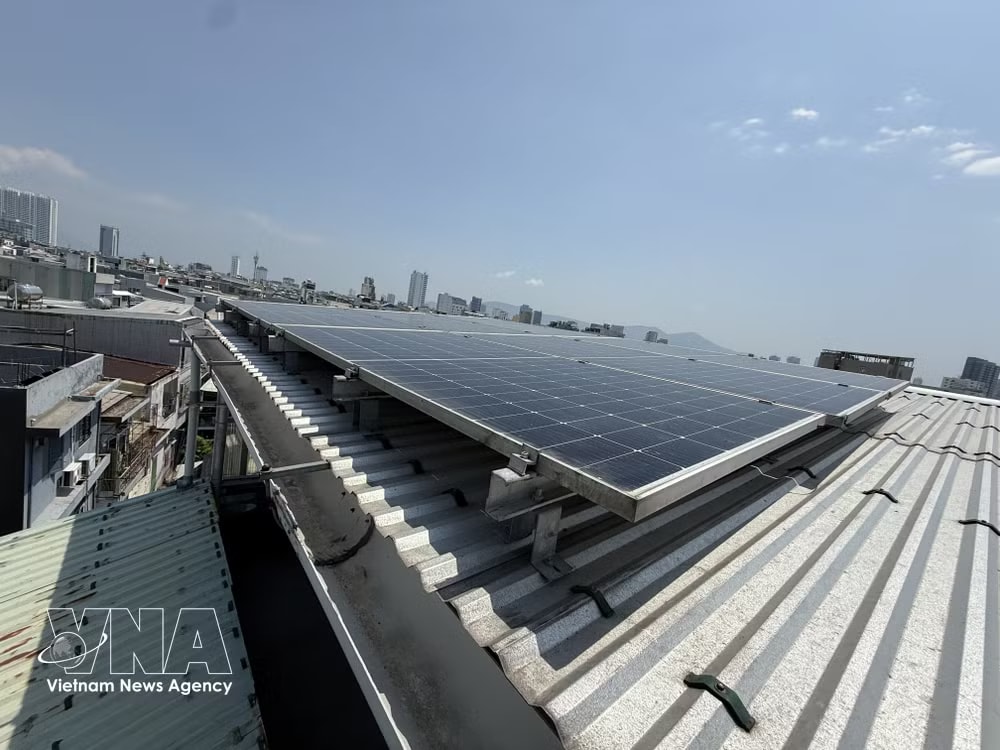
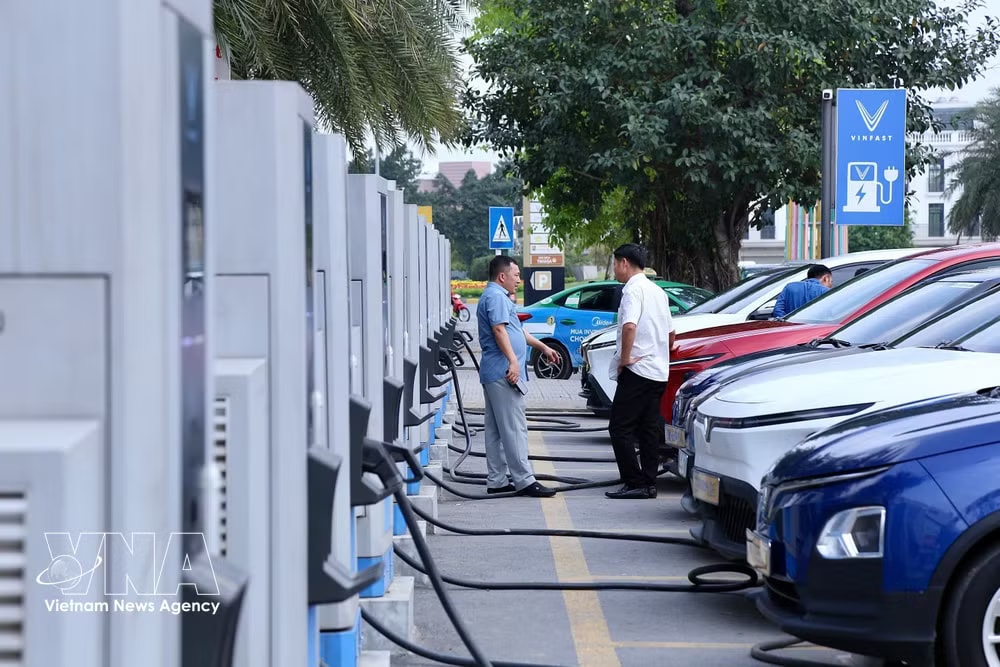
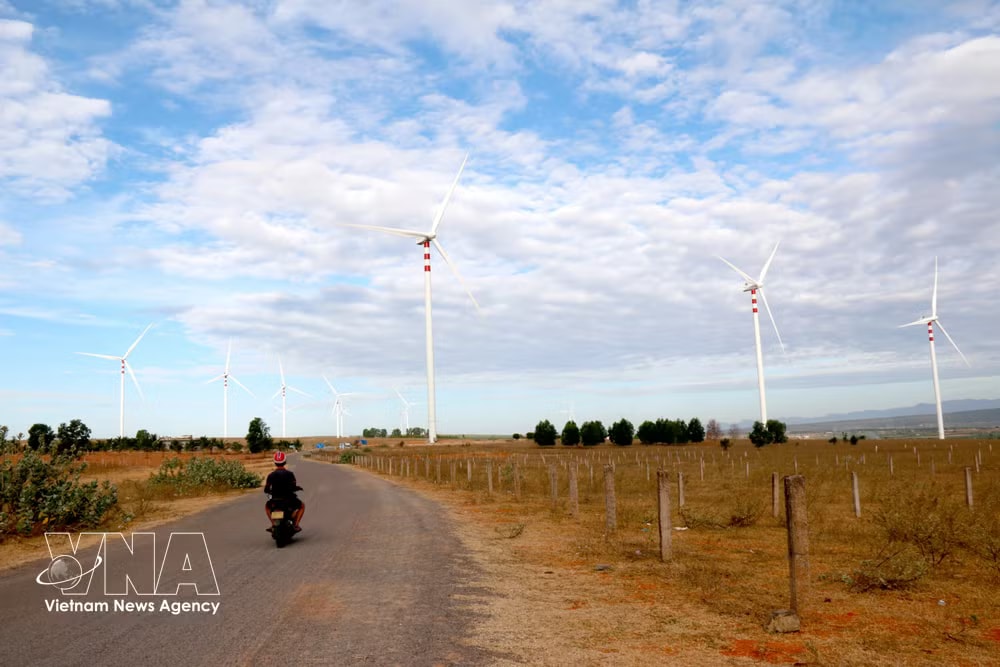
Second, green transition must be accelerated across growth models, energy structures, production systems, consumption patterns and urbanisation processes. Green transition should become a key driver of national competitiveness. Efforts should focus on promoting energy efficiency and conservation, developing renewable energy in a manner consistent with system security, gradually reducing dependence on fossil fuels, and advancing low-emission industries, ecological agriculture, public transport, green buildings, green materials and the circular economy. Businesses must be placed at the centre of this transformation, as they are the primary drivers of technological innovation, supply chain restructuring, green job creation and compliance with evolving standards of international markets. The State should introduce policies in green finance, green credit, green public procurement, emissions standards, carbon pricing mechanisms, and support for small and medium-sized enterprises in accessing technology, capital and markets.
Third, develop a modern, responsible blue economy linked to safeguarding sovereignty, livelihoods, and peace at sea. Vietnam believes that marine environmental protection, conservation of marine ecosystems, and sustainable sea-based economic development must go hand in hand with preserving peace, stability, security, safety, and freedom of navigation, and respect for international law, particularly the 1982 United Nations Convention on the Law of the Sea (UNCLOS). The country remains committed to resolving disputes through peaceful means and joining efforts to build the East Sea into a sea of cooperation, responsibility, and sustainable development. Vietnam will pursue a more advanced model of marine economic development driven by science, technology, ocean data, and ecosystem conservation. Priorities include developing green seaports, offshore renewable energy, marine biotechnology industries, marine and island ecotourism, and maritime services. Stronger measures are also needed to combat illegal fishing, protect fisheries resources, and improve the livelihoods of fishermen.
Fourth, restore natural ecosystems and strengthen climate resilience as strategic national infrastructure. Investing in nature is investing in the future. Efforts must focus on disaster prevention and response, water security, food security, public health, and livelihood stability. Priority should be given to restoring watershed forests, coastal forests, and mangrove ecosystems, while sensitive ecosystems must be strictly protected. The exploitation of sand, groundwater, and coastal resources should be closely monitored. Climate-resilient urban areas should be developed, with renewed attention to rivers, lakes, and canal systems, alongside stronger forecasting, early-warning, and disaster-risk management capabilities. For the Mekong Delta, the central coastal region, the northern mountainous areas, and major urban centres, climate adaptation must become a core component of development planning, public investment, and social welfare policies.
Fifth, build an environmental governance system based on science, data, digital technology, and public participation. Vietnam should establish a national database covering emissions, water and air quality, waste, biodiversity, marine resources, coastal erosion, saltwater intrusion, climate risks, and corporate compliance with environmental standards. Satellite technology, artificial intelligence, environmental sensors, digital mapping, marine and island databases, disaster forecasting models, and citizen feedback platforms should be widely deployed. People have the right to know the environmental quality of the places where they live. Businesses have a responsibility to transparently disclose their environmental impacts. State agencies must make evidence-based decisions and remain accountable to the public. At the same time, environmental education should be promoted in schools and communities, while scientific communication, green lifestyles, waste separation at source, reductions in single-use plastics, and the development of an ecological citizenship culture across society should be encouraged.
Sixth, ensure a just green transition and strengthen international cooperation on climate, environment, and ocean. A green transition can succeed only if it is fair, inclusive, and people-centred. Poor households, workers in high-emission industries, coastal communities, women, children, and vulnerable groups must receive support through livelihood programmes, vocational training, financial assistance, risk insurance, climate-resilient infrastructure, and access to social services. Mechanisms should also be put in place to support businesses in adopting greener practices while creating sustainable livelihoods for communities engaged in environmental protection.
Vietnam calls on the international community, especially developed countries, to more fully and substantively fulfill their commitments on climate finance, technology transfer, human resource training, adaptation support, capacity building in governance, and expanded market access for green products from developing countries. Developed industrialised nations embarked on industrialisation earlier, accumulated wealth over a long period through higher levels of emissions, and possess superior financial and technological capabilities. Therefore, their responsibility in addressing climate change, protecting the oceans, and restoring global ecosystems must be commensurate with both their current capacities and their historical responsibilities. A fair green order must ensure that developing countries are not left behind and that environmental standards do not become new trade barriers.
Developing countries must demonstrate determination in transforming their growth models, effectively utilising support resources, and enhancing transparency and accountability in implementing green commitments. However, the transition pathway must be aligned with their level of development, technological capabilities, budgetary conditions, and the need to ensure energy security, food security, and people's livelihoods.
Vietnam stands ready to be an active and responsible member of the international community in efforts to combat climate change, protect biodiversity, reduce plastic pollution, safeguard the oceans, promote a just energy transition, and build a green economy. We seek to work with our partners to develop a more substantive framework for cooperation, in which green finance reaches those who need it most, clean technologies are shared more widely, governance knowledge is disseminated more rapidly, and the benefits of the green transition are distributed more equitably among nations, communities, and generations.
The six groups of tasks outlined above must be implemented through a spirit of practical action with the joint efforts of the State, businesses, and society as a whole. Each locality should develop an action program suited to its ecological characteristics and development model. Every ministry and sector must integrate green objectives into its specialised policies. Every enterprise should regard environmental compliance as a prerequisite for survival and green innovation as a condition for competitiveness. Every citizen should transform their love for nature, the seas and islands, and their homeland into concrete daily actions.
World Environment Day and World Oceans Day remind us that the Earth's capacity to absorb human impacts is limited, that the oceans are under increasing stress, and that humanity bears a responsibility to act. We stand before the mission of building a green, responsible, and sustainable Vietnam in the 21st century; a development model that is prosperous, humane, modern, and in harmony with nature; a strong and prosperous nation where the environment remains clean, the seas and islands remain peaceful, rivers continue to be clear, forests remain vast and thriving, and every citizen can live safely, healthily, and happily.
Let every Vietnamese begin with one concrete action: planting and caring for a tree, reducing the use of single-use plastics, conserving energy, sorting waste, protecting water resources, keeping beaches clean, and promoting green lifestyles. Let us act for a future in which Vietnam remains forever green and sustainable./.