

E-commerce boom puts pressure on Malaysia’s transport infrastructure
The surge in online shopping in Malaysia has significantly increased freight movement nationwide, particularly during weekends and holiday periods when logistics operators must meet rising demand for fast deliveries in the digital economy.
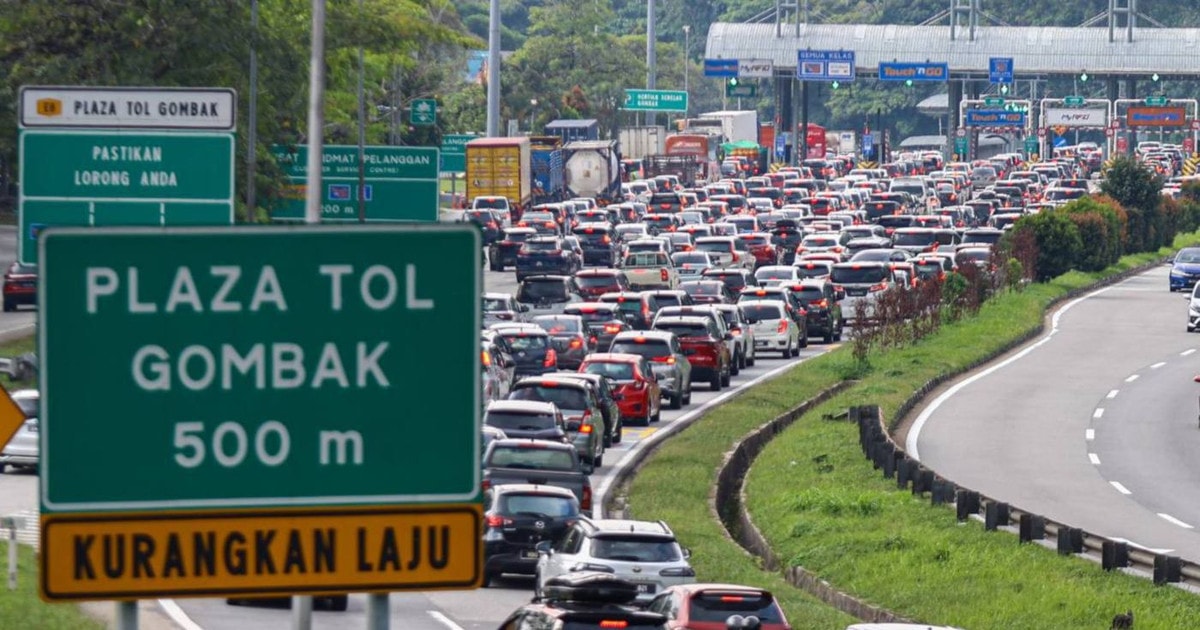
The rapid growth of e-commerce in Malaysia is placing unprecedented pressure on the country’s transport infrastructure, turning major highways into “moving warehouses” operating around the clock, according to transport experts.
The surge in online shopping has significantly increased freight movement nationwide, particularly during weekends and holiday periods when logistics operators must meet rising demand for fast deliveries in the digital economy.
Wan Agyl Wan Hassan, founder and senior adviser of mobility consultancy MY Mobility Vision, said the expansion of e-commerce and platform-driven delivery services has dramatically boosted traffic volumes on key transport corridors.
With daily traffic on peak holiday periods reaching up to 2.2 million vehicles, major routes such as the North–South Expressway are simultaneously serving commuters, buses, industrial freight, port logistics and time-sensitive parcel deliveries, he noted. According to Wan Agyl, the digital economy is expanding faster than the country’s transport and logistics infrastructure can adapt. As a result, traffic congestion has worsened and travel times have become increasingly unpredictable.
“A trip that normally takes two hours can suddenly become four,” he said, warning that such uncertainty results in higher fuel consumption, delayed deliveries, inventory disruptions, overtime costs and reduced workforce productivity.
Beyond economic losses, heavy congestion also exposes road users to greater stress, fatigue and accident risks in increasingly complex mixed-traffic conditions involving both passenger vehicles and commercial trucks.
Experts have called for a stronger shift towards alternative transport modes to reduce reliance on roads. While new highways such as the West Coast Expressway are expected to help redistribute traffic and improve freight efficiency, rail transport is viewed as a strategic long-term solution.
Wan Agyl stressed that a single freight train could potentially replace dozens of long-haul trucks, helping create a more balanced transport ecosystem linking highways, railways, ports, warehouses and logistics hubs.
However, transport consultant YS Chan believes private cars will remain the preferred mode of transport for many Malaysians in the near future./.