

US Professor: Legislative elections to reinforce the institutional foundation for Vietnam’s new development phase
Ahead of the election of deputies to the 16th National Assembly and People’s Councils at all levels for the 2026 - 2031 term, Professor Edmund Malesky, an expert in political economy and public governance at Duke University, shared his views with The People’s Deputies Newspaper on the significance of the upcoming vote and the role of the National Assembly in improving the legal framework and advancing institutional reforms.
Professor Edmund Malesky, as someone who has followed Vietnam for many years, how do you assess the role of the Vietnamese National Assembly in recent years in improving the legal framework and promoting the country’s reform agenda?

Professor Edmund Malesky: Vietnam’s National Assembly plays a critical role in putting meat on the bone of the key economic and incentive initiatives set out at Party Congresses and subsequent Central Committee plenums.
While those Party forums debate general policy direction, the specifics of how reforms will be implemented - and which ministries or actors will be responsible - are worked out through National Assembly legislation.
Last year, for example, the Vietnam National Assembly delivered a substantial legislative output that concretely enacted and institutionalized major policy priorities, closing its 10th session of the 15th legislature with the adoption of 51 laws and 39 resolutions - nearly 30 percent of all legal documents passed during the entire term - demonstrating its central role in fleshing out strategic national agendas into binding law. These measures spanned justice, taxation, cybersecurity, education, health, administration, social policy, and digital governance, establishing clearer regulatory frameworks to support economic modernization and social development.
At the same time, accompanying resolutions advanced healthcare reform, expanded social protections, streamlined administrative procedures, and supported infrastructure and investment planning, illustrating how the Assembly translates broad policy direction into detailed, enforceable legislation.
From your observations, what aspects of the National Assembly’s institutional mechanisms have helped enhance the quality of legislation and oversight?
Professor Edmund Malesky: The Vietnam’s National Assembly’s focused committees are central to careful deliberation, but the public-facing legislative debates are equally important, as they allow citizens to see reasonable disagreements over critical issues and highly technical discussions that improve the quality of the law.

An important, but underappreciated feature of the Vietnam’s National Assembly is the informal provincial caucuses which precede debates, where delegates from provinces work out key priorities in the legislative sessions, assuring regional representation in arguments.
The televised query sessions, with published transcripts, are also an important institution for holding top ministers responsible for their work and setting expectations for a higher standard of performance, making the Assembly the public’s most important window into national policy.
How do you evaluate the preparations for the election of deputies to the 16th National Assembly and People’s Councils at all levels for the 2026 - 2031 term?
Professor Edmund Malesky: Vietnam’s preparations for the 2026 elections of deputies to the 16th National Assembly and People’s Councils appear to be on track, with election bodies at national and local levels completing key procedural steps and strengthening training, logistics, and legal compliance ahead of the March 15 vote.
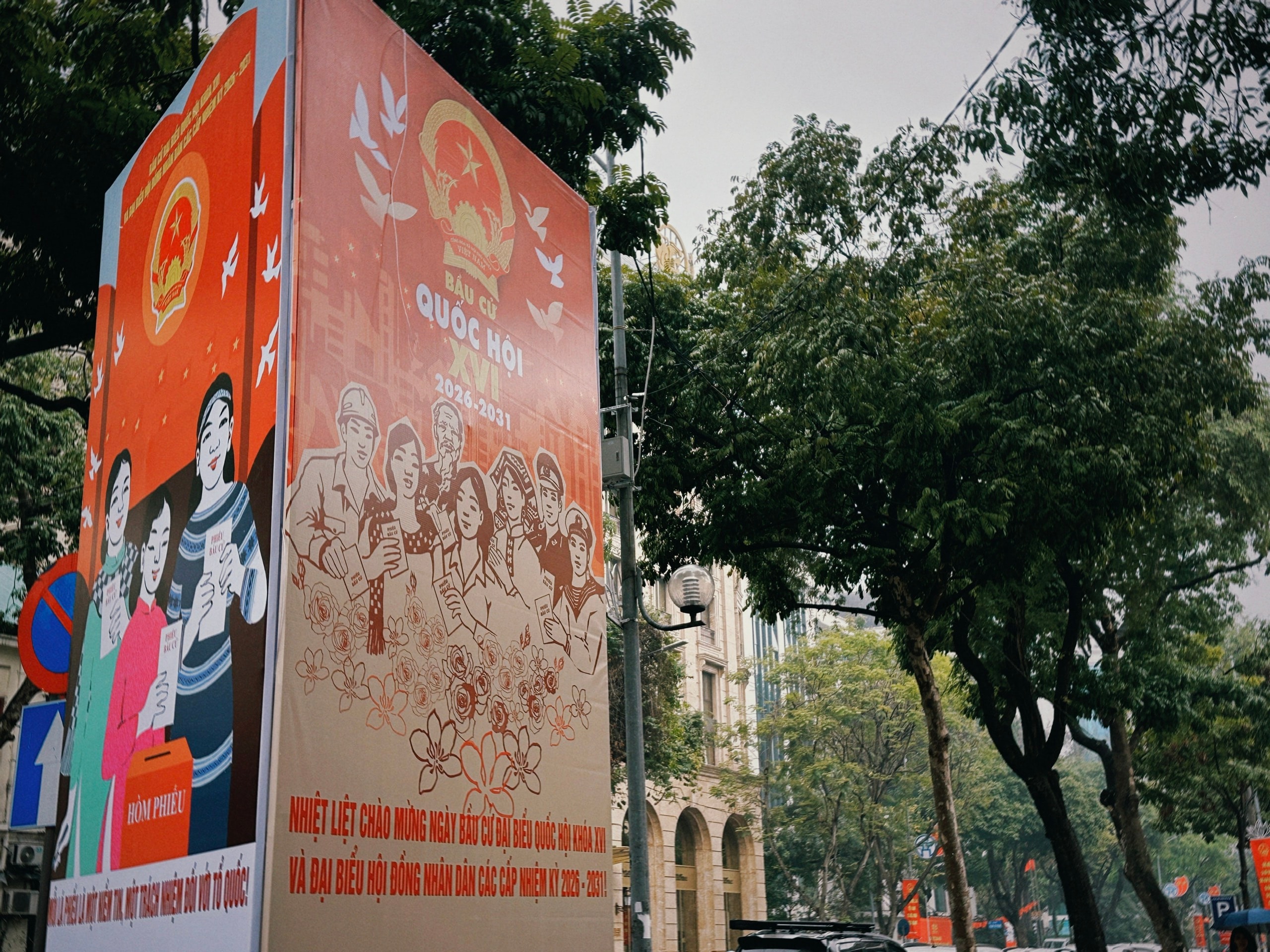
Officials have highlighted expanded use of digital tools, from integrating the national population database with digital ID systems to improved election management software across nearly all communes, which should make voter list updates and administration more modern, efficient, and accurate.
In your view, what significance does the upcoming election hold for sustaining the country’s reform momentum?
The forthcoming National Assembly election may usher in one of the most consequential terms in the Assembly’s history. The new legislature will be responsible for translating the most recent Party Congress priorities into law, including major administrative streamlining reforms, as well as ambitious private sector development initiatives that require a clear and coherent legal framework. Beyond legislation, the Assembly will also vote on the appointment of key state officials.
Having witnessed Vietnam’s significant transformations in recent years, what expectations do you have for the upcoming general election?
In the context of Vietnam’s short- and long-term socio-economic goals set out at the 14th National Congress of the Communist Party of Vietnam, I would expect the upcoming elections to play an important role in strengthening institutional reform and sustaining economic modernization.
Vietnam’s current reform agenda - spanning administrative restructuring, digital transformation, green growth, and global economic integration - requires a higher level of technical expertise and governance capacity than earlier reform periods. I am hopeful that the new legislature will include a younger and highly qualified cohort with the education, professional experience, and policy skills needed not only to design ambitious reforms but also to oversee their effective implementation.
At the same time, I hope the elections will elevate leaders who think beyond headline growth rates toward a more sustainable development model. As Vietnam advances toward high-income status, institutional reform must support innovation, productivity, and private sector dynamism while also addressing climate resilience, environmental degradation, and energy transition.
A forward-looking National Assembly can help ensure that economic expansion continues to improve citizens’ livelihoods while embedding sustainability, social inclusion, and environmental responsibility at the core of Vietnam’s long-term development strategy.
Once again thank you for your time, Professor Edmund Malesky!