

From the 14th National Party Congress, Vietnam affirms its role in the new world order: Indian scholar
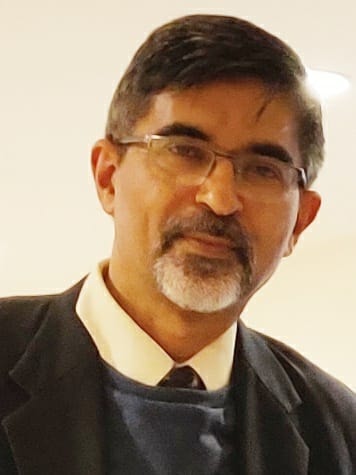
As the global and regional landscape undergoes rapid and profound changes, the 14th National Party Congress has attracted wide attention. Dr. Udai Bhanu Singh, a specialist in Asia-Pacific affairs and international relations, offers an in-depth analysis of the outcomes of the 13th National Party Congress, as well as the opportunities and challenges confronting Vietnam ahead of the 14th Congress. The People's Deputies Newspaper is pleased to present this article.
.jpg)
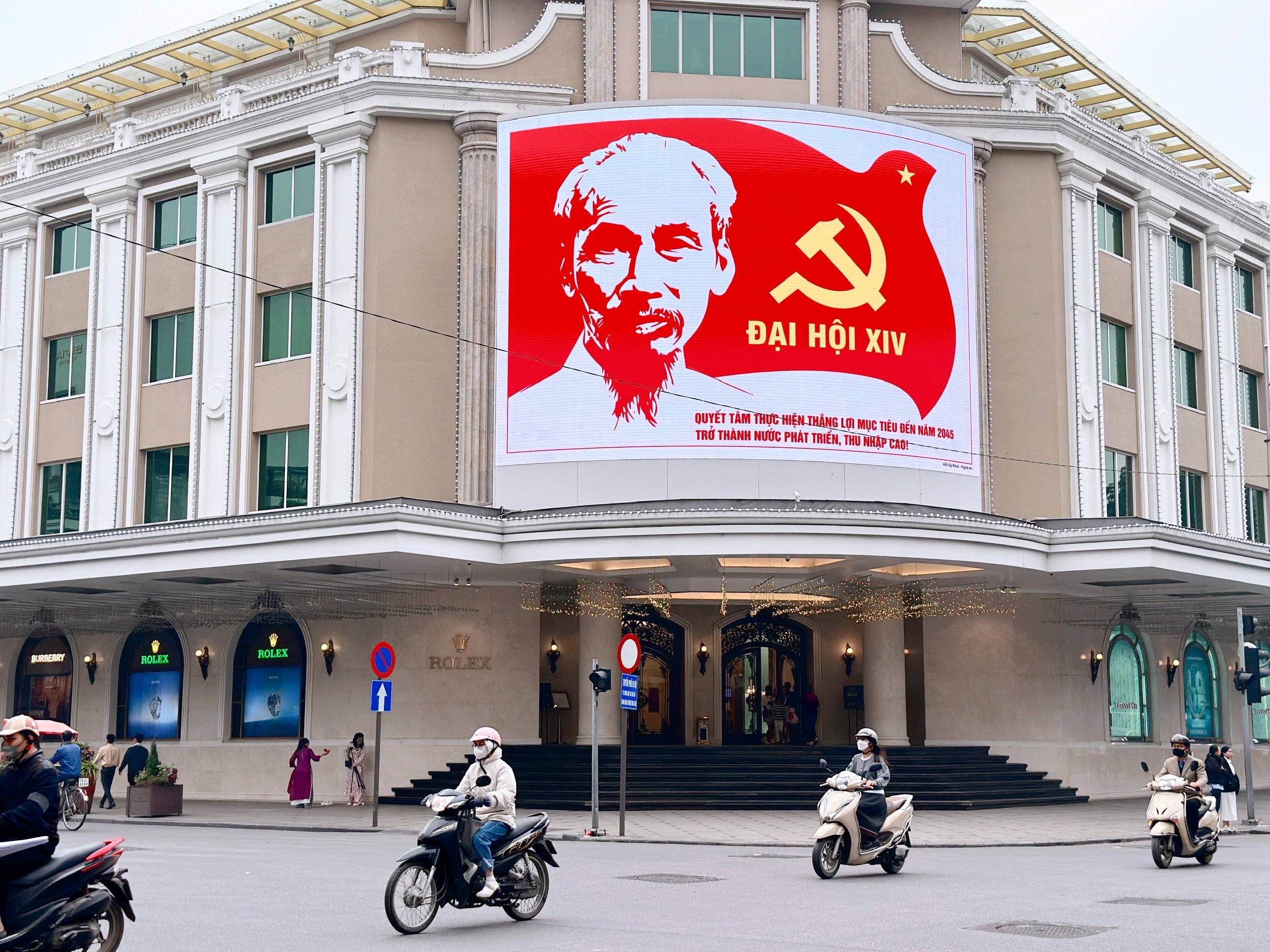
Vietnam hosts a significant event in its political calendar - the 14th National Congress- when over 1500 delegates will converge in Hanoi from 19-25 January 2026 with the objective of steering the nation to the ‘new era of national rise’. They are set to determine the country’s top leadership and policy direction through 2030 and set the roadmap for the nation to transform Vietnam into an upper middle income country by 2030 and a developed high income socialist country by 2045.
Vietnam, in the recent past has made major administrative and territorial reforms besides notable infrastructural advances, at the domestic level and average GDP growth during 2021-2025 reportedly hovered around 6.3 per cent per year. But, since the 14th National Congress takes place in the backdrop of global uncertainty in the form of increasing anti-globalisation, sharpened strategic competition and rapid pace of technological advance accompanied by growing non-strategic security threats, it is Vietnam’s foreign policy stance which is at the centre of global attention.
Foreign Policy Milestones
Besides the economic development targets that the 13th National Congress marked out, it had set for itself clear significant Foreign Policy and International Relations goals. First, the nation adopted a very flexible, proactive and pragmatic approach as manifested in its ‘bamboo diplomacy’ in dealing with great powers. At the end of 2025 Vietnam had 14 comprehensive strategic partnerships, 14 strategic partnerships and 14 comprehensive strategic partnerships with different parts of the globe, including India.
Vietnam is a member of over 70 international and regional organisations or mechanisms including UN, ASEAN, Asia- Pacific Economic Cooperation (APEC) and Comprehensive and Progressive Agreement for Trans-Pacific Partnership (CPTPP) and has actively proposed new initiatives in upcoming domains like cybercrime etc.
Second, Vietnam has sought to balance its ties with the two major powers, China and the US. That implies that the multi-alignment strategy covers the US and China. This means that when the US imposed punitive tariffs, Vietnam was ready to be flexible and provide US substantial access to its markets while also strengthening relations with China. It has allowed Chinese loans for a railway link in February 2025 and Chinese firms like Huawei to provide 5G equipment. At the same time Vietnam continues to contest China’s South China Sea claims.
Third, like India Vietnam continues to hold on to its strategic autonomy principle in its foreign policy.
Fourth, Vietnam has proactively integrated with the world in all its dimensions (including political and security) and not restricted its integration only to economics.
Fifth, Hanoi has given diplomacy its due by including diplomats in high positions in the Central Committee and Politburo so that a ‘whole of government’ approach could get implemented.
Recommendations and Strategic Priorities
Vietnam’s Defence Minister rightly pointed out at the Shangri-La Dialogue in Singapore in June 2025: “Ensuring stability in a competitive world" is a prerequisite and indispensable condition for building a world of peace, stability, cooperation and development, for the common interests of nations and peoples; and at the same time, it is an urgent requirement today”.
In the foreseeable future the global and regional challenges are expected to only sharpen. Vietnam and India are likely to benefit from a coordinated response to these challenges with an appropriate prioritisation.
.jpg)
In the past Vietnam has upheld the principle of territorial integrity and affirmed this stance with respect to land and air as much as the sea- the challenge still persists.As major power structures re-emerge, Vietnam must continue to play an active role in ASEAN and coordinate its policy with likeminded nations such as India.
Second, facing non-traditional security challenges including those impacting climate change such as the equitable use of riverine flow (upstream to downstream States) and control over natural resources impacting energy and ecological transitions will continue to be a priority.
Third, scientific and technological capacity building with a special emphasis on human resource development is expected to be a priority. Finally, enhanced people-to-people contacts grounded in age-old civilisational ties and appreciation of current requirements will set the tone for the next five-year policy time frame.