

Message from General Secretary and President To Lam at the Third Plenum of the 14th Party Central Committee:Strategic shift to escape the middle-income trap
Dr Le Duy Binh, Managing Director of Economica Vietnam, says the shift from input-driven growth to a model based on productivity, knowledge, technology and human capital is essential for Vietnam to escape the middle-income trap and become a developed, high-income country by 2045.
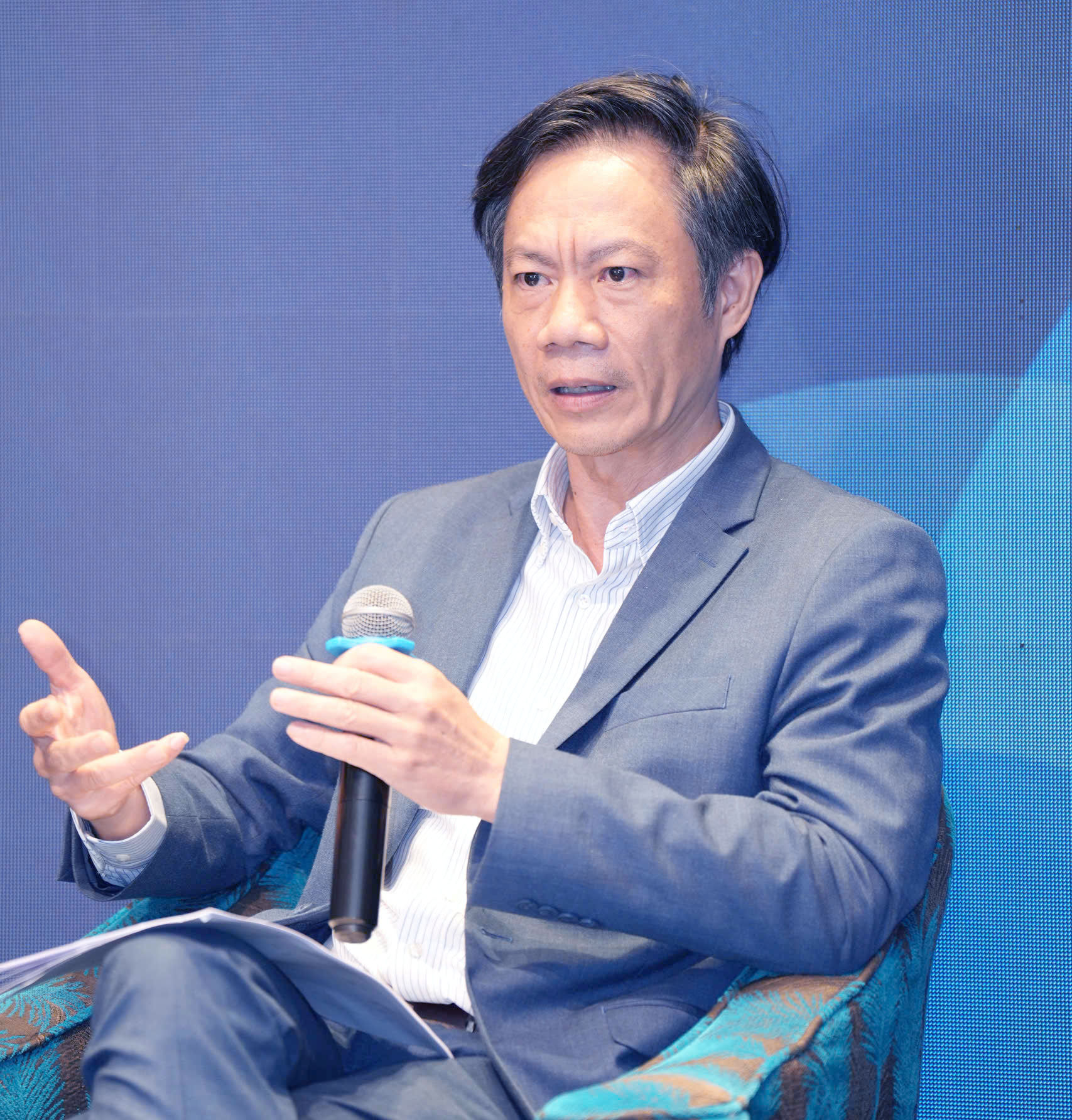
Science and technology require an enabling institutional framework
– At the opening session of the 14th Party Central Committee’s third plenum, General Secretary and President To Lam called for a decisive shift towards a growth model based on productivity, knowledge, technology and people. What does this mean for Vietnam’s goal of achieving sustainable double-digit growth?
– This message reflects a practical development vision aligned with both global trends and Vietnam’s current needs. It represents a strategic shift towards the goal of becoming a developed, high-income country by 2045.
According to the World Bank, only 34 economies have moved from middle-income to high-income status since 1990. Vietnam therefore cannot continue relying primarily on traditional growth drivers. It must increasingly base its development on productivity, science and technology, innovation and high-quality human resources.
Traditional advantages are gradually reaching their limits. Natural resources are finite, low-cost labour will become less competitive, and Vietnam’s demographic dividend may last for only another five to ten years. Without a timely transition, the country risks falling behind amid the rapid expansion of the digital economy, artificial intelligence and the Fourth Industrial Revolution.
The General Secretary and President also stressed the need to improve growth quality, economic resilience and self-reliance while ensuring sustainable and inclusive development. This comprehensive approach will enable Vietnam to maintain rapid growth without sacrificing long-term quality and efficiency.
– What conditions are necessary to turn science, technology, innovation, digital transformation and AI into higher productivity, added value and competitiveness?
– Four conditions are particularly important.
First, Vietnam needs a safe, stable and open business environment that encourages innovation. As innovation inevitably involves experimentation and risk, the legal framework should expand regulatory sandboxes and allow businesses and entrepreneurs to recover from unsuccessful ventures.
Second, the country must invest in technological infrastructure, including 5G and 6G networks, data centres, energy systems, laboratories and research and development facilities. Stronger incentives are also needed to mobilise private investment.
Third, Vietnam must develop high-quality human resources by making education more practical, strengthening STEM, AI and emerging-technology skills, and attracting talent from both within the country and abroad.
Fourth, businesses should be placed at the centre of the innovation ecosystem. Enterprises need encouragement to invest more in science and technology and strengthen cooperation with universities and research institutes. Public procurement should prioritise innovative, technology-intensive products and services, thereby supporting the commercialisation of public- and private-sector R&D.
Implementation will determine policy effectiveness
– The General Secretary and President also highlighted the State’s enabling role and the market’s role in mobilising and allocating resources. How can this policy direction be translated into practice?
– I strongly agree that implementation is the critical factor. Sound policies will not produce meaningful change unless they are carried out decisively and consistently.
The immediate priority is to institutionalise and effectively implement the Party’s recent major resolutions on lawmaking and law enforcement, private-sector development, the state economy and foreign-invested economic development.
State agencies at both central and local levels must move from an administrative management mindset towards one of enabling development. Market-based instruments should be used more extensively, while effective state oversight must still be ensured.
Vietnam should also strengthen the capacity of its administrative apparatus and build a more cooperative relationship between the State, businesses, investors and citizens. A transparent and favourable business environment will enable the private sector to fulfil its role as an important growth engine. It will also help attract higher-quality foreign investment associated with technology transfer and stronger domestic capabilities.
– Development must put people at the centre, with quality of life, opportunities and public well-being serving as the ultimate measures of success. What does this require of policymaking?
– This message reaffirms Vietnam’s consistent view that people are both the purpose and the driving force of development. Growth cannot be measured solely by GDP; it must also be reflected in people’s living standards and their ability to benefit from development.
Policies should therefore pay greater attention to education, healthcare, culture, environmental protection and social security. More importantly, they must be implemented effectively so that their benefits genuinely reach the public.
Vietnam should develop tools to measure public satisfaction and the real-world impact of policies. Relevant indicators could include the time and cost required for administrative procedures, access to public services, service quality, employment, income, healthcare, education, clean water, environmental quality, and access to cultural and recreational opportunities.
Growth becomes truly meaningful and sustainable only when its benefits are broadly shared among the people.