
General Secretary and State President Tô Lâm:Act consistently, with discipline and effectiveness, to build confidence and generate momentum for development throughout society
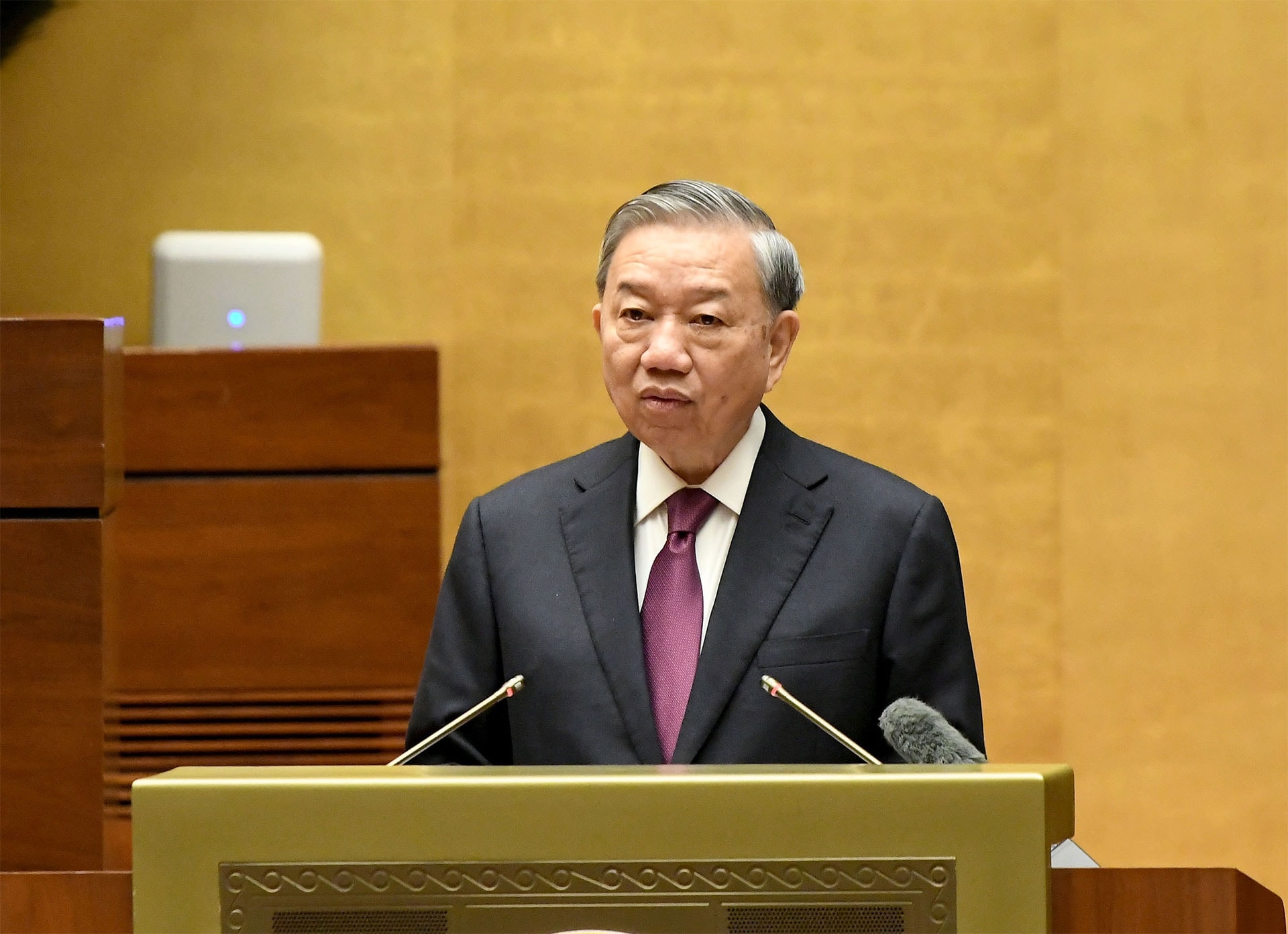
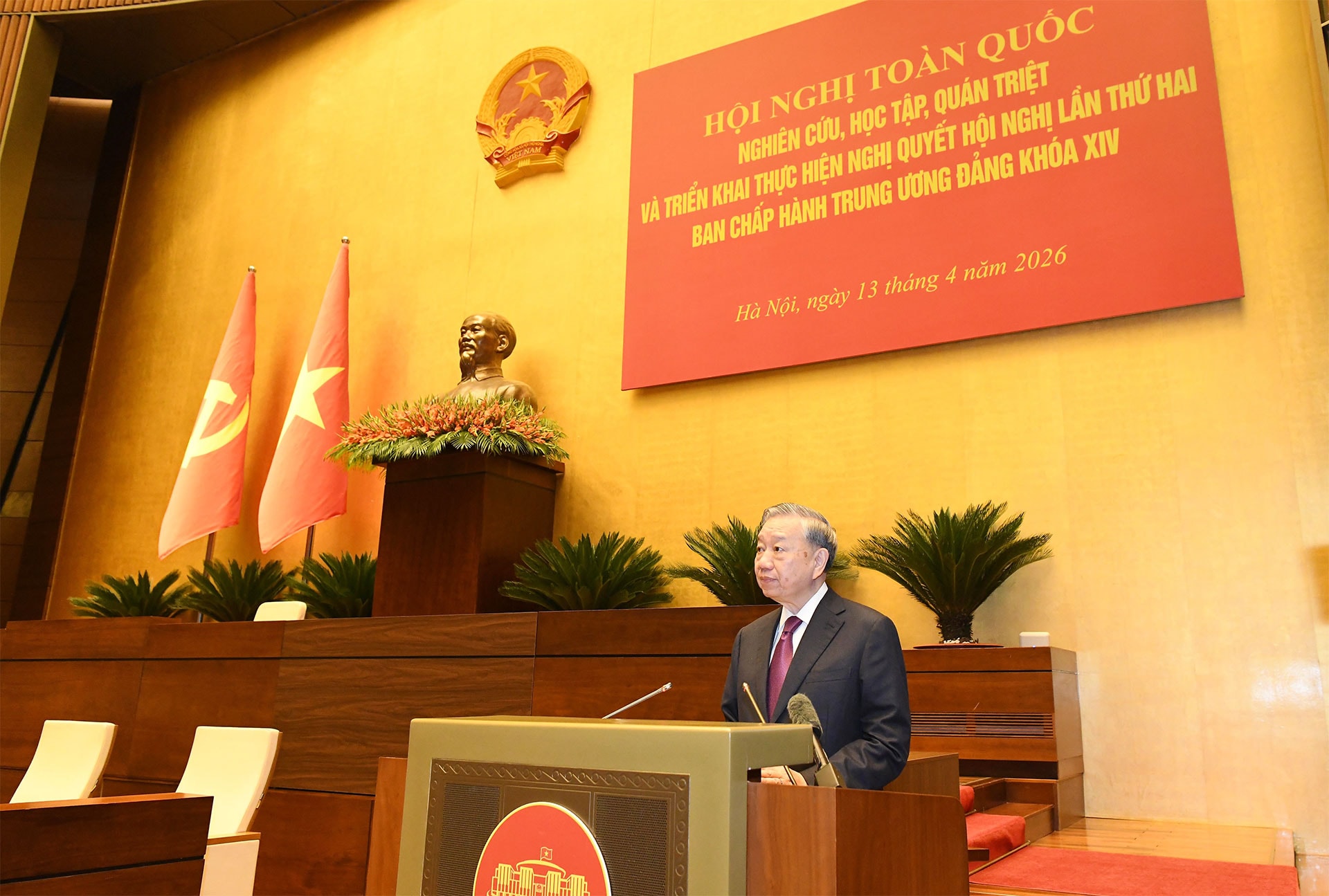
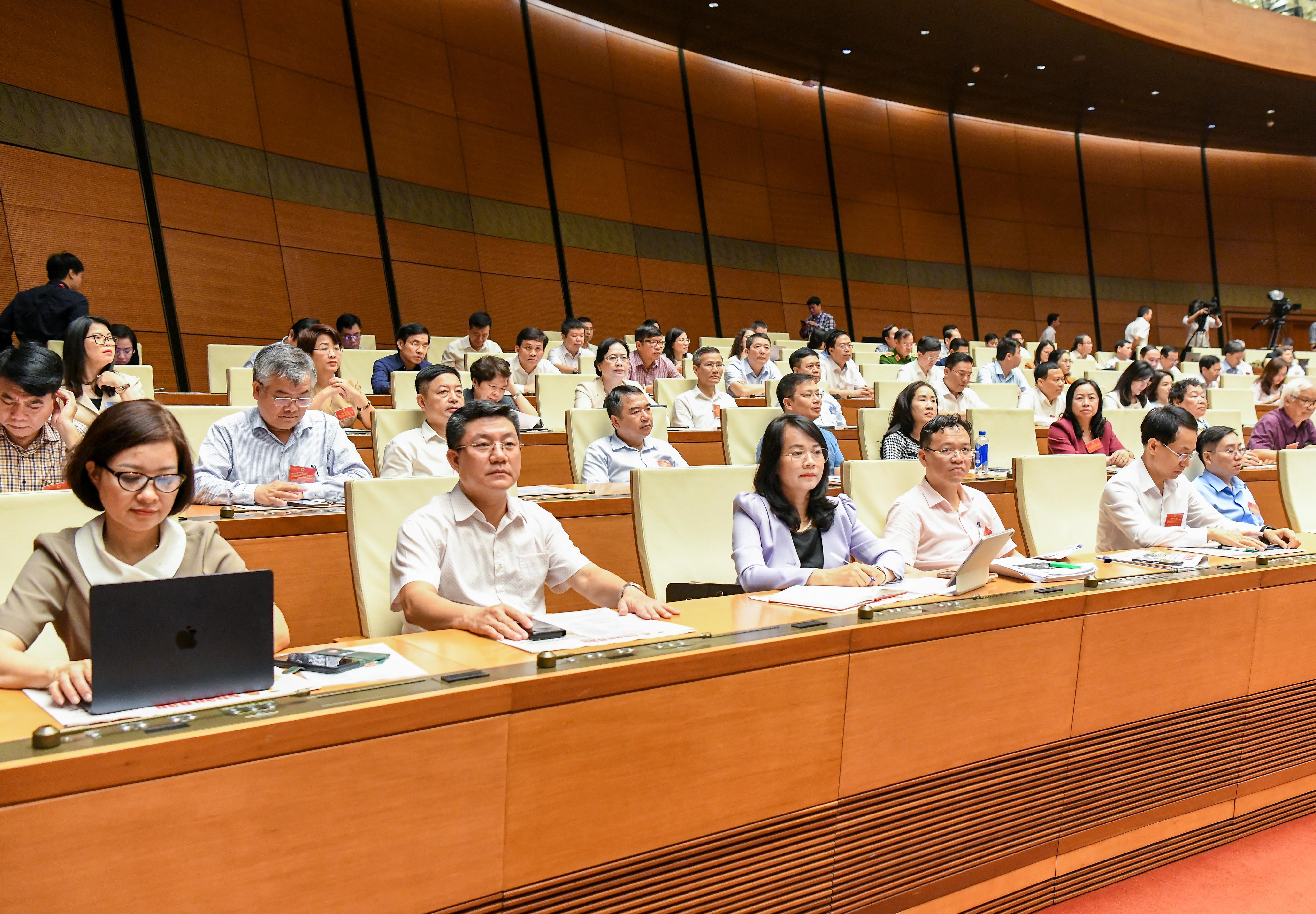
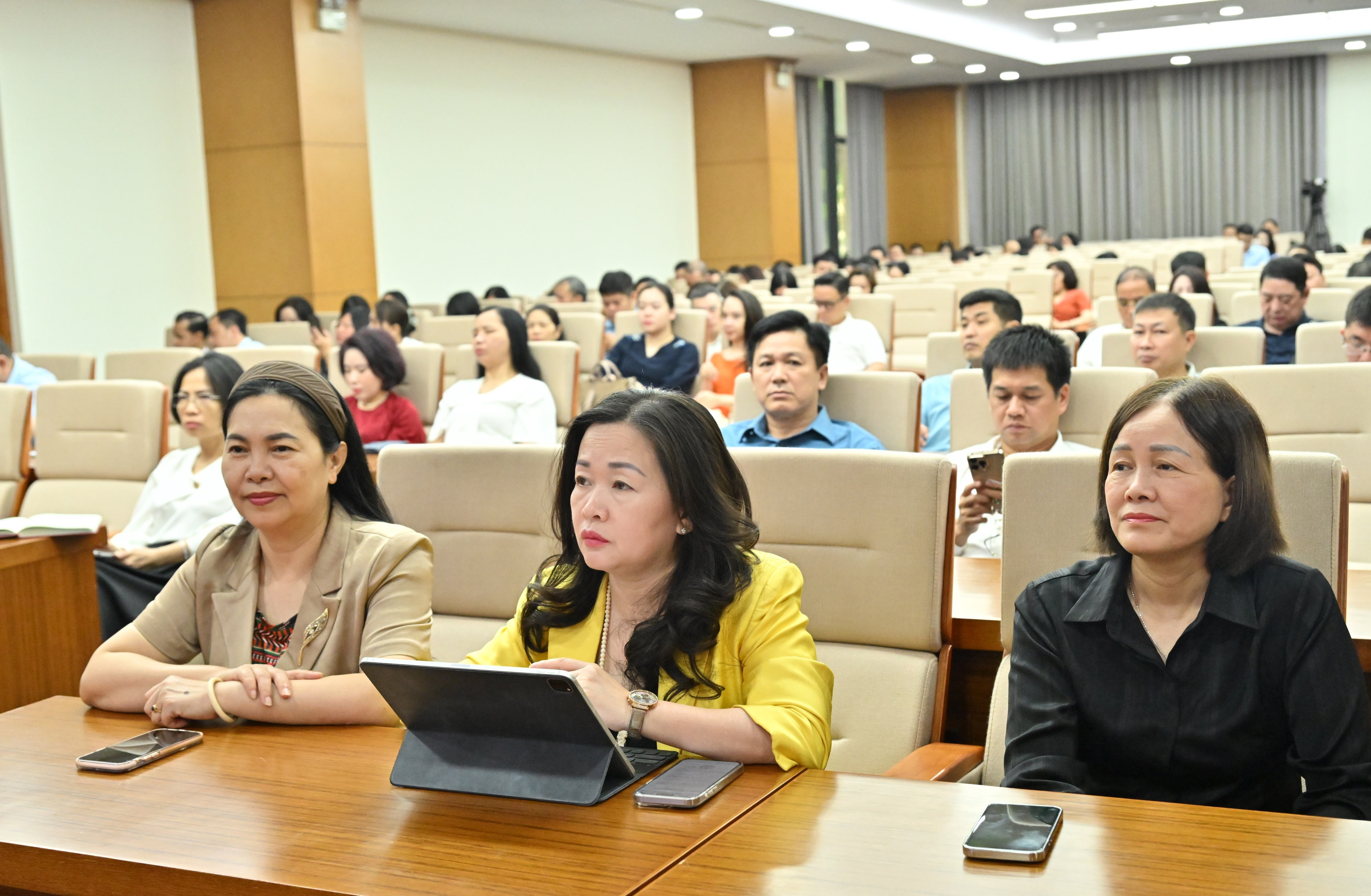
Delivering a directive address at the national conference on studying, disseminating and implementing the Resolution of the second plenum of the 14th Party Central Committee, General Secretary and State President Tô Lâm emphasised that following the conference, the Resolution must be thoroughly understood and implemented resolutely, synchronously and effectively, with clearly defined priorities and key areas. This must bring about tangible changes throughout the political system and generate momentum for development across society.
Party regulations are pivotal institutional mechanisms ensuring that the Party operates as a unified whole
General Secretary and State President Tô Lâm stressed that following the conference, the Resolution must be fully grasped and thoroughly understood, and its implementation organised in a resolute, coordinated and effective manner, with clearly defined priorities and key areas. This must bring about tangible changes throughout the political system and generate momentum for development across society.
Outlining five issues requiring particular attention in implementing the Resolution, the General Secretary and State President first called for a full and profound understanding that Party regulations constitute pivotal institutional mechanisms ensuring that the Party operates as a unified whole throughout the political system. If the Party’s lines and policies embody its vision and political will, then its regulations provide the pivotal institutional framework for turning that vision into reality and translating that will into an orderly system of practical implementation. They ensure that the Party operates as a unified whole, consistently from the central to grassroots levels, under all circumstances and at every stage of development.
This requirement is particularly important at a time when the country is presented with major opportunities to make breakthroughs while simultaneously having to meet the exceptionally high, new and extensive demands of national construction and defence. Upholding principles, discipline, order and unity throughout the Party has therefore become an increasingly crucial factor in comprehensively improving its leadership and governing capacity, combativeness and ability to organise implementation.
Practice has shown that wherever regulations are thoroughly disseminated and properly applied, discipline is upheld, organisations are consolidated, and leadership capacity and combativeness are strengthened. Conversely, inadequate understanding and lax implementation can easily lead to arbitrary application, weakened discipline and inconsistency in action, thereby undermining leadership effectiveness and public confidence.
Every Party committee, Party organisation, official and Party member must therefore properly understand, thoroughly grasp and strictly comply with Party regulations, regarding this as their direct political responsibility. No one is permitted to interpret or act upon the regulations differently, still less apply them in a manner that serves their own convenience. All regulations must be implemented uniformly, synchronously and consistently from the highest to the lowest levels, accompanied by rigorous inspection and supervision and the strict handling of violations. At the same time, effective and innovative practices that comply with the regulations should be encouraged and commended, the General Secretary and State President stressed.
The General Secretary and State President called for a fundamental renewal of development thinking and the effective utilisation of all resources and sources of capital to achieve sustainable growth. For a long time, a mindset that relies primarily on existing assets, treating the state budget, land and public investment as the principal pillars of development, has persisted in many places and at various levels.
In essence, this approach regards development resources as finite and static and focuses more on distributing resources than creating them. Unless promptly adjusted, this mindset will become a major obstacle to development in the new period. An economy seeking high, sustainable and breakthrough growth cannot operate on the basis of a single resource, still less place the entire burden of development on the State.
The General Secretary and State President therefore noted that the requirement was not merely to adjust the structure of capital sources but to fundamentally transform development thinking—from allocating resources to creating, guiding and unlocking them. The State should move from being a direct investor towards designing and creating an enabling environment in which all resources across society can be mobilised and allocated according to market signals within a transparent and stable institutional framework.
On that foundation, the role of different sources of capital must be repositioned within a new development structure in which capital flows do not exist in isolation but interact with, amplify and guide one another.
State capital must be properly positioned as seed and enabling capital that shapes the development landscape and mitigates initial risks, thereby effectively guiding and unlocking non-state capital flows.
Corporate capital, including capital from the domestic private sector and foreign direct investment, should be directed towards high-value-added manufacturing, innovation projects and knowledge-based value chains.
Foreign loans must be used according to the principle of strategic selectivity, in line with the economy’s absorptive capacity and long-term debt repayment capacity, with priority given to critical infrastructure projects and sectors capable of generating significant spillover effects.
The financial market, including the capital, credit and bond markets, must genuinely become a channel for providing medium- and long-term funding to the real economy. The priority is to direct capital towards manufacturing, innovation and essential infrastructure, thereby improving the quality of growth.
In particular, according to the General Secretary and State President, importance must be attached to unlocking the people’s resources, considering this a strategic breakthrough in the new period. These resources are not limited to financial capital but encompass the combined intelligence, skills, labour, entrepreneurial spirit and aspirations of tens of millions of people to advance and legitimately prosper. When effectively mobilised, this resource can be transformed into an immense internal driver of development, helping to strengthen the economy’s self-reliance.
The General Secretary and State President also called for the resolute elimination of parochial thinking based on administrative boundaries, sectors or terms of office in development planning. At the same time, productive forces and resources among the people must be unleashed, ensuring that every citizen, family, household business and enterprise becomes an active participant in economic growth. The two-tier local government model must continue to be improved and made more effective and efficient.
Building commune-level administrations with strong decision-making capacity
To translate this development thinking into reality, the General Secretary and State President stated that the first requirement was to build commune-level administrations with strong decision-making capacity. Commune-level authorities must be clearly decentralised and provided with corresponding resources and specific responsibilities so that they can proactively resolve emerging issues, ranging from infrastructure and social services to socioeconomic management. Linking authority with responsibility will produce substantive results and prevent overlap and stagnation in public administration.
Second, commune-level administrations with a strong capacity to mobilise resources will enable provincial authorities to take greater initiative in coordinating and implementing strategic projects. The commune level directly connects local social, economic and human resources. The ability to mobilise and allocate these resources effectively will ensure their optimal use and improve the implementation capacity of the entire two-tier local government system.
Finally, commune-level administrations must possess strong supervisory and feedback capabilities. Dynamic commune-level administrations will provide accurate data and information about existing conditions and the people’s needs, enabling provincial authorities to make appropriate, timely and precise decisions. This mechanism will create fresh momentum and ensure the overall effectiveness of the two-tier local government system.
For commune-level administrations to become a driving force in strengthening provincial governments, every resolution, policy and project must be translated into concrete action. These decisions must also be directly geared towards improving the people’s quality of life, promoting socioeconomic development and strengthening local competitiveness. The General Secretary and State President stated that this would also provide the foundation for ensuring the smooth, disciplined and effective operation of the entire political system, from the central to grassroots levels.
He called on Party committees, Party organisations, officials and Party members from the central to grassroots levels to become genuinely engaged with the highest sense of responsibility and to act more proactively, resolutely and substantively. Every level, sector and locality must place itself within the overall national context and clearly recognise its role and responsibilities in the country’s broader development picture, thereby acting consistently, with discipline and effectiveness.
“The most important task is to build confidence and generate momentum for development throughout society.” Emphasising this point, General Secretary and State President Tô Lâm stated that when the people and businesses have confidence, the system operates smoothly and resources are unlocked, aspirations for development can be transformed into tangible strength, contributing to the country’s rapid and sustainable development in the coming period.
Responding to the guidance of General Secretary and State President Tô Lâm, Head of the Party Central Committee’s Commission for Information, Education and Mass Mobilisation Trịnh Văn Quyết affirmed that the guidance not only translated into concrete terms the spirit of the Resolution of the 14th National Party Congress and that of the second plenum of the 14th Party Central Committee, but also served as a “guiding principle” for Party committees, Party organisations, officials and Party members throughout the Party to study and implement these documents in a more coordinated, consistent, effective and substantive manner.
Immediately following the conference, the head of the Party Central Committee’s Commission for Information, Education and Mass Mobilisation asked Party committees, Party organisations and relevant units to continue widely disseminating and thoroughly communicating the Party Central Committee’s resolutions, conclusions and regulations in accordance with the Commission’s instructions. The study of these documents must be linked to the formulation of specific and practical action programmes and implementation plans suited to the functions and responsibilities of each locality, agency and unit. Inspection and supervision must also be strengthened to ensure that the Resolution is implemented rigorously, synchronously, creatively and effectively, with periodic reports submitted to the Politburo.