

From the First Constitution to the aspiration of building a Government of the People, by the People and for the People
Eighty years ago, the first Constitution of the Democratic Republic of Vietnam affirmed a foundational principle: all state power belongs to the entire People. From safeguarding the people's right to mastery and equality to designing the structure of government, the 1946 Constitution was imbued with democratic and humanistic values, placing the interests of the People at its centre.
That spirit remains fully relevant today, continuing to guide efforts to build a modern administration that is close to the people, respects the people and serves the people under the current two-tier local government model.
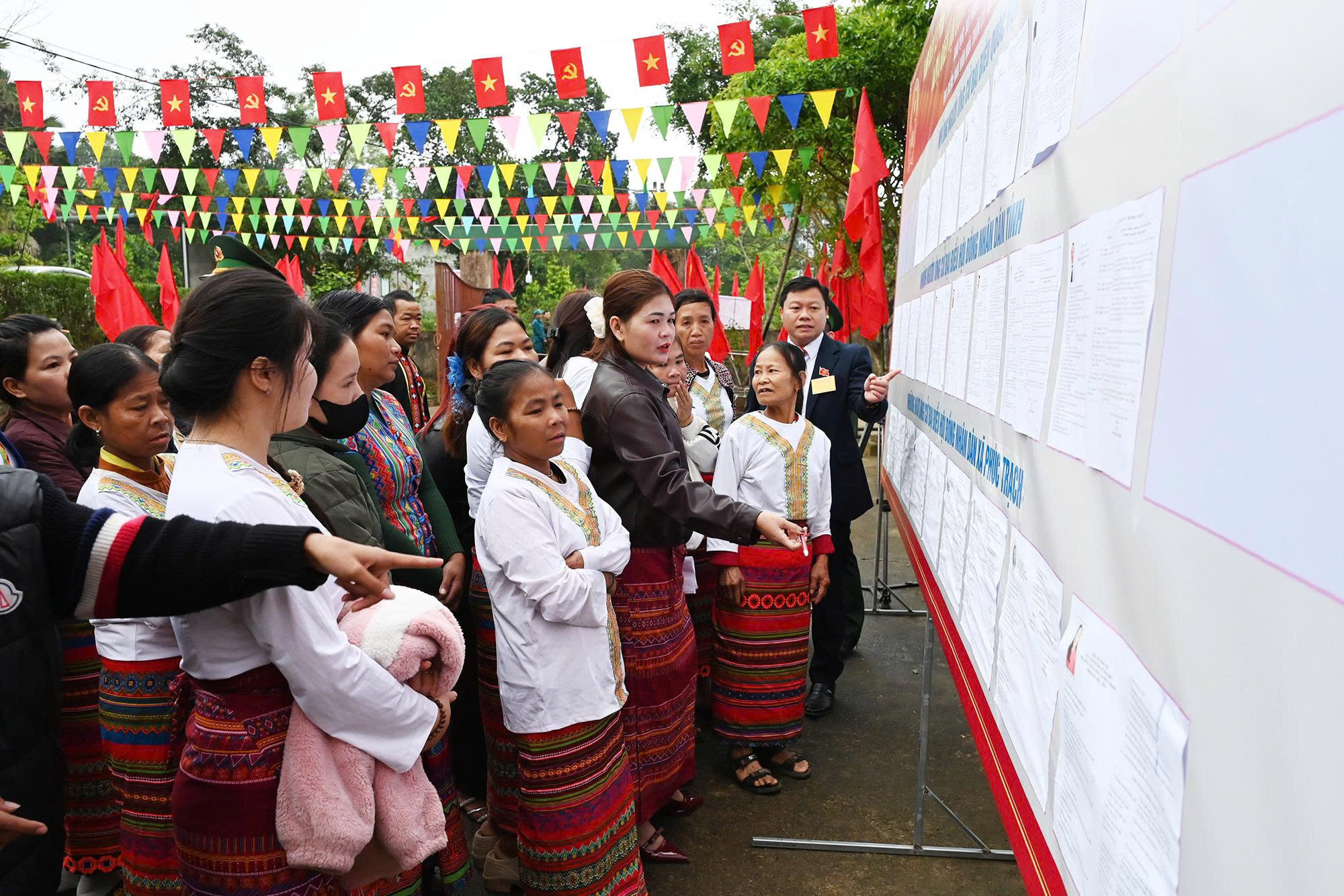
Power belongs to the People, and government must serve the People
On November 9, 1946, the National Assembly of the Democratic Republic of Vietnam adopted the country's first Constitution, laying the legal foundation for the new State while affirming the vision of building a democratic government that genuinely belonged to the People.
In its Preamble, the Constitution established three fundamental principles: national solidarity without discrimination based on ethnicity, gender, class or religion; the guarantee of democratic freedoms; and the establishment of a strong and wise government of the people. In particular, Article 1 declared: “All power in the country belongs to the entire Vietnamese people.” This was not merely a declaration of popular sovereignty, but also an overarching principle guiding the organisation and operation of the state apparatus.
The principle of serving the people was translated into progressive provisions guaranteeing equality before the law, the right to participate in government, freedom of speech, religion, assembly and movement, as well as the right to private property. The Constitution also paid particular attention to vulnerable groups in need of protection and support: ethnic minorities were to receive assistance to help them catch up with the general level of development; women were guaranteed equality with men; the elderly and persons with disabilities were to receive assistance; children were entitled to care and education; and poor students were to receive government support.
These provisions demonstrated that the government's role extended beyond administration and governance. It also carried a responsibility to protect people's rights and interests, improve their living conditions and create opportunities for everyone to develop.
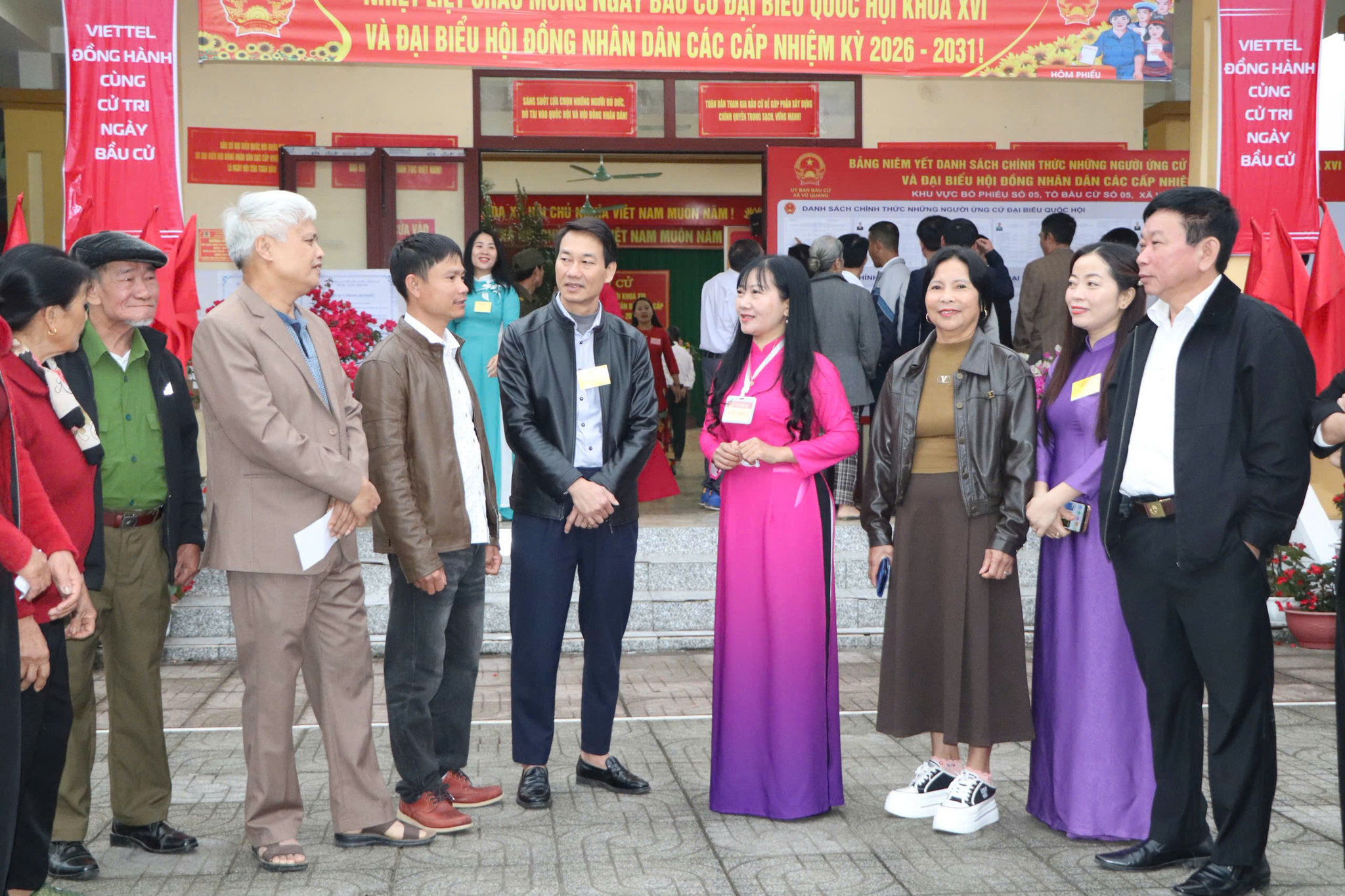
This philosophy was also reflected in the organisation of local government. Article 58 stipulated that People's Councils were directly elected by the people and appointed Administrative Committees. Article 59 provided that People's Councils would decide on local matters, while Administrative Committees would organise implementation and direct administrative affairs. Article 60 stipulated that Administrative Committees were accountable to both higher-level authorities and the local People's Councils.
This institutional design demonstrated the close relationship between bodies representing the people's will and aspirations and those responsible for carrying out decisions. It also established the principle of accountability in government operations.
Nguyen Tien Dung, former Standing Member of the People's Council of Hong Linh Town, Ha Tinh Province, shared his reflections: “What I find particularly meaningful about the 1946 Constitution is that the principle of popular sovereignty was clearly reflected not only in its fundamental provisions but also in the way the government apparatus was organised. People's Councils were directly elected by the people and decided on local issues, while Administrative Committees were responsible for implementation and accountable to the People's Councils.”
Thus, the principles of representative democracy and government accountability to the People were established at a very early stage. Although institutional models may change, the essential requirement remains the same: maintaining substantive connections between elected representatives and their constituents, ensuring that people's voices are heard and that legitimate concerns are considered and resolved thoroughly.
Staying committed to the goal of serving the People
The state apparatus has continued to undergo reforms and adjustments to meet the demands of national development. Since July 1, 2025, Vietnam's two-tier local government model has officially been in operation, replacing the previous three-tier system with two levels: provincial and commune administrations. The abolition of the district level, expansion of administrative jurisdictions and transfer of greater authority to commune-level administrations have created new demands for governance capacity, implementation and the quality of public services.
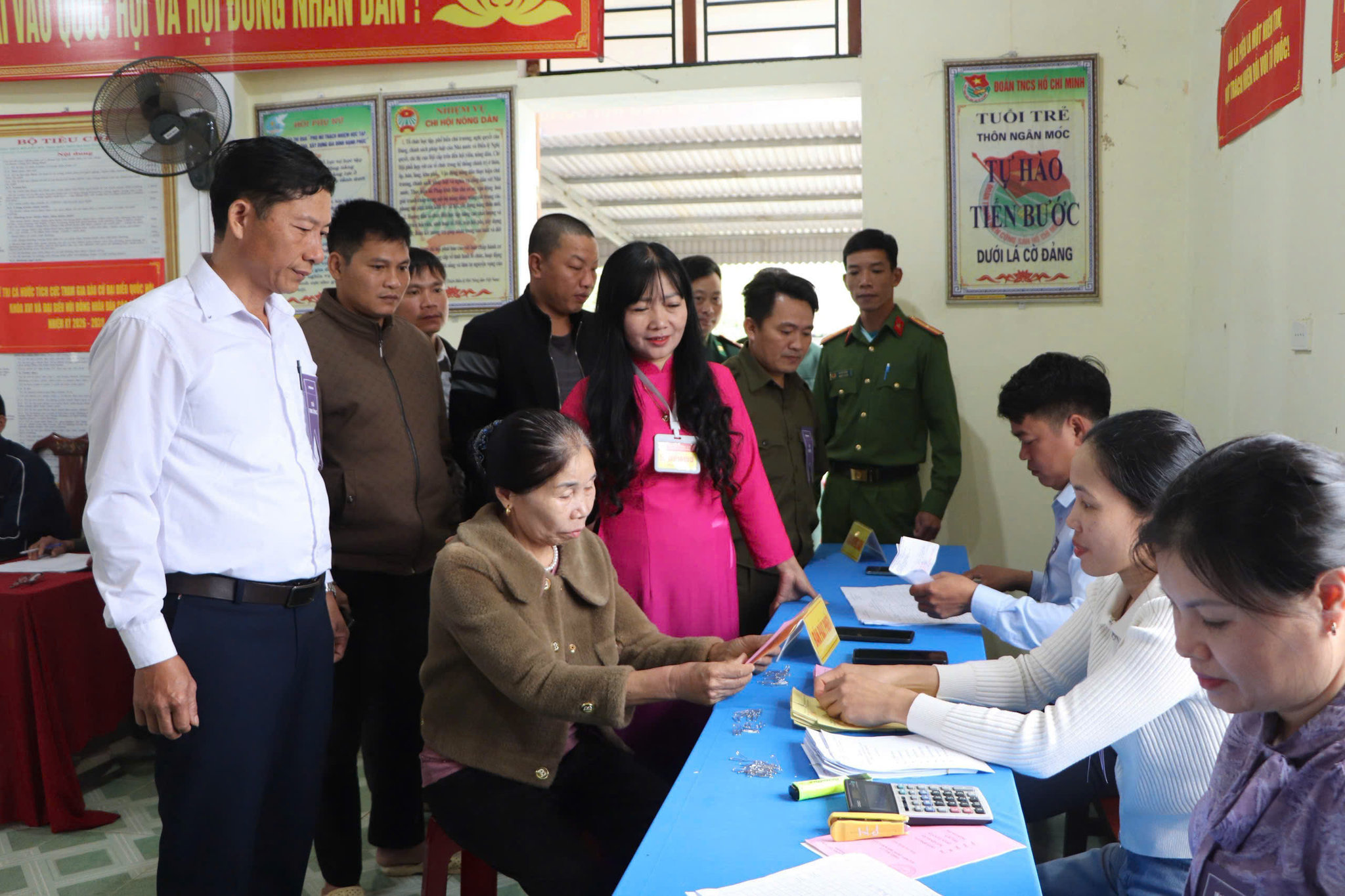
Against this backdrop, the 1946 Constitution's people-centred philosophy remains fully relevant. Regardless of changes to the organisational structure and the distribution of authority, the government's ultimate objectives remain unchanged: safeguarding the people's right to mastery, improving their living conditions and serving their interests.
The two-tier local government model aims to streamline the administrative apparatus, reduce intermediate levels and enhance the initiative and accountability of commune-level administrations – the level of government closest to the people and most directly connected to their everyday concerns.
However, achieving these objectives also requires improvements in officials' capabilities, physical infrastructure, digital infrastructure and coordination mechanisms to meet the demands of their expanded responsibilities.
The success of reform should not be measured solely by the number of administrative units eliminated. Above all, it should be reflected in public satisfaction: administrative procedures completed on time, citizens' petitions properly addressed, policies reaching the intended beneficiaries, and timely resolution of problems involving land, the environment, social welfare, education and healthcare.
Local authorities must proactively monitor developments, strengthen dialogue with residents, maintain close contact with communities and help people access public services, particularly older persons, low-income households and residents in remote and disadvantaged areas.
Streamlining the administrative apparatus must go hand in hand with improving service quality, while decentralisation and the delegation of authority must be accompanied by adequate resources and clear accountability mechanisms.
At the same time, the role of People's Councils and their representatives must be strengthened in practical terms, through voter engagement, citizen reception, questioning sessions, oversight and monitoring the resolution of voters' petitions. Their effectiveness should not be judged merely by the number of resolutions adopted or oversight sessions conducted, but, more importantly, by the tangible improvements they bring to people's lives.
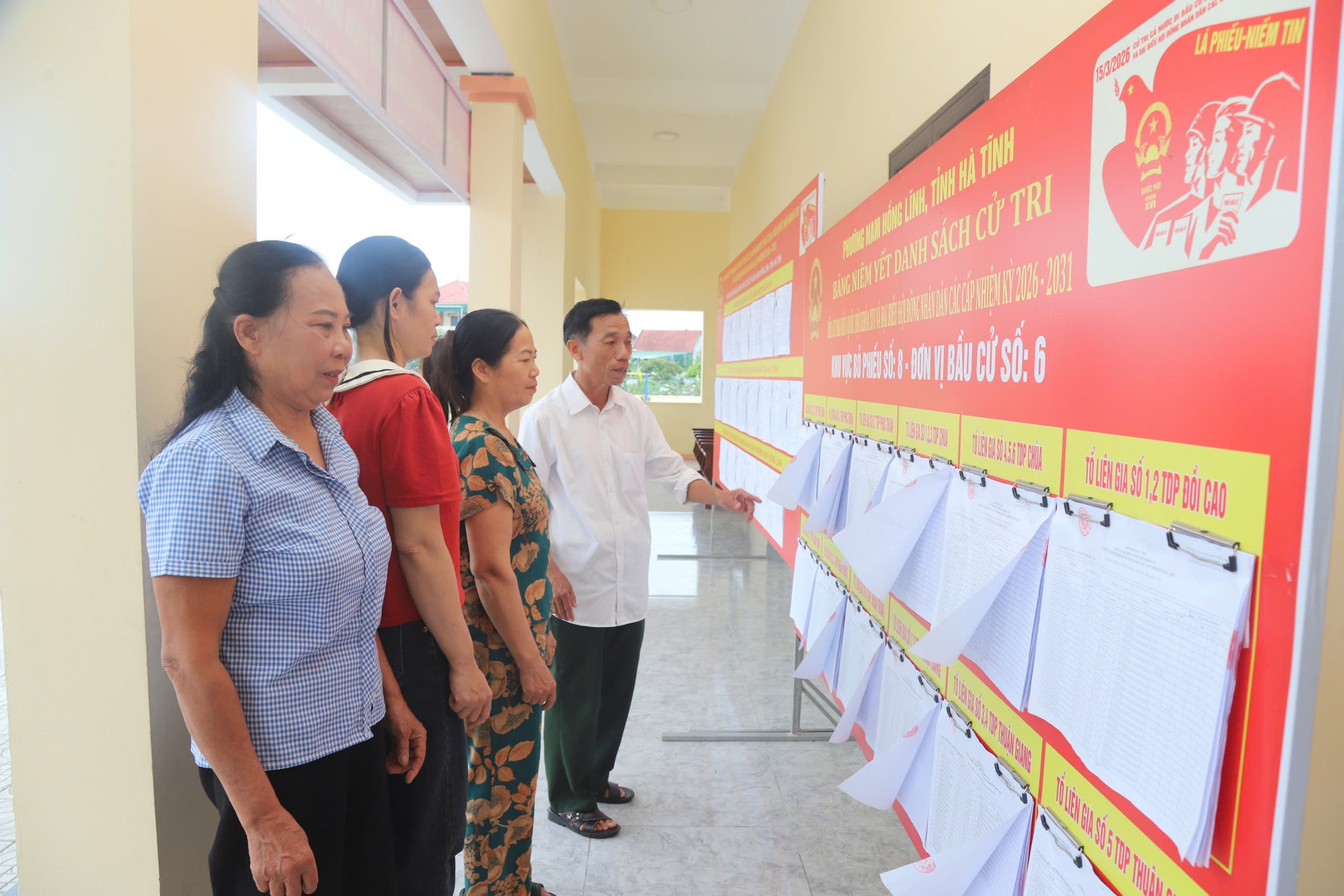
From the perspective of ethnic minority communities, Ro Mah Vat, a resident of Ia Krel Commune, Gia Lai Province, said local people hoped that authorities would continue to pay attention to their concerns, listen to their voices and address practical issues affecting their daily lives.
Ethnic minority communities need not only convenient access to administrative procedures but also support in livelihoods, employment, education and healthcare, as well as the preservation of their cultural identities.
“Under the two-tier local government model, we hope commune officials will continue to maintain close ties with villages and hamlets, regularly engage with residents and promptly understand their concerns and aspirations. Policies should reach the right people and the right beneficiaries, while residents – particularly older people – should receive guidance and assistance in accessing public services,” she said.
“The journey from the first Constitution to today's requirements for reforming the organisation of government spans 80 years of inheriting and promoting democratic and humanistic values. Institutional structures, administrative boundaries and powers may change, but the goal of building a government of the People, by the People and for the People remains unwavering. This is also the most practical way to carry forward the spirit of the 1946 Constitution, bringing every policy and decision closer to people's lives and interests”.
Translated by Hong Nhung