
From the aspiration for peace to Vietnam’s architect position in the new era
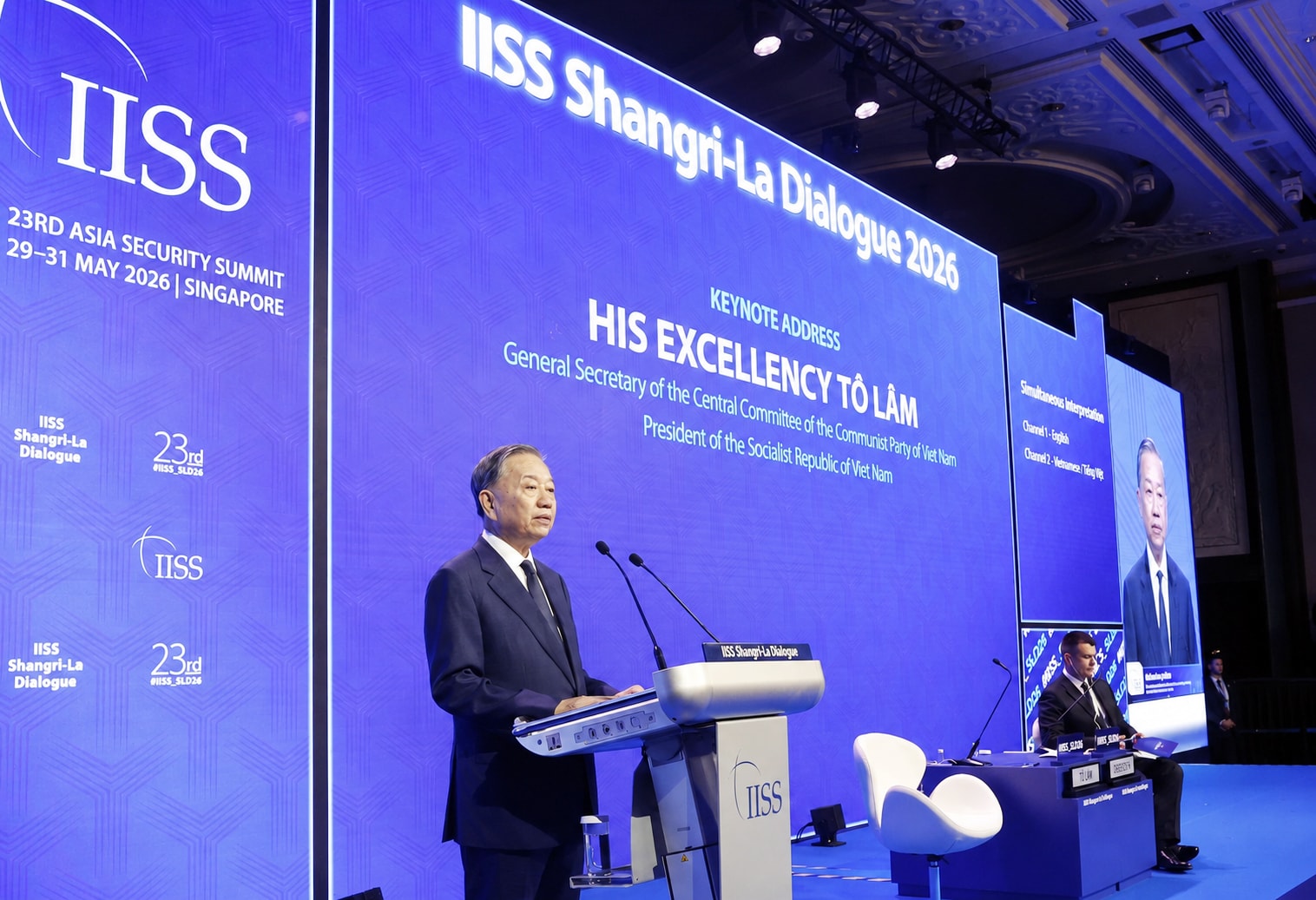
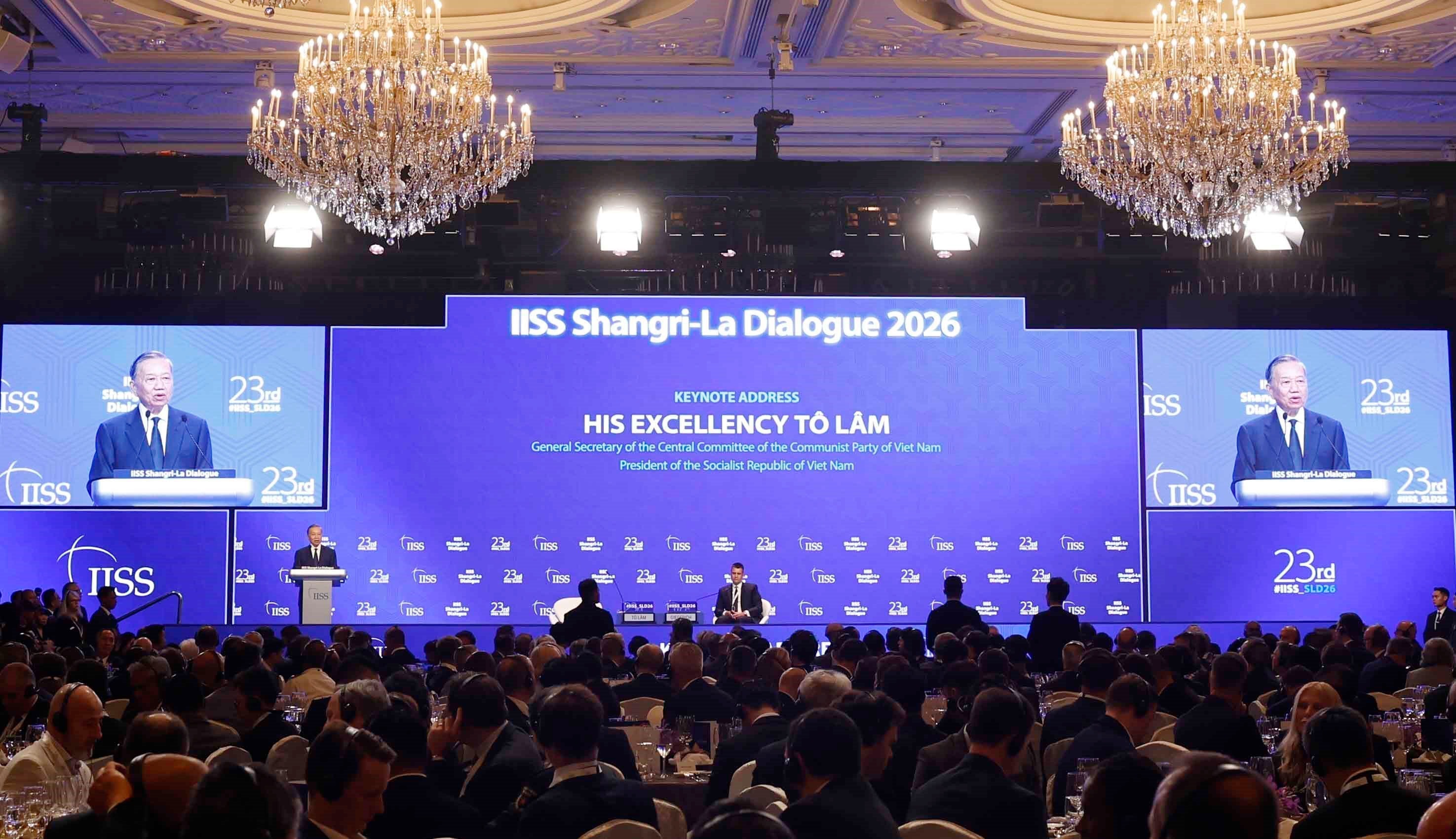
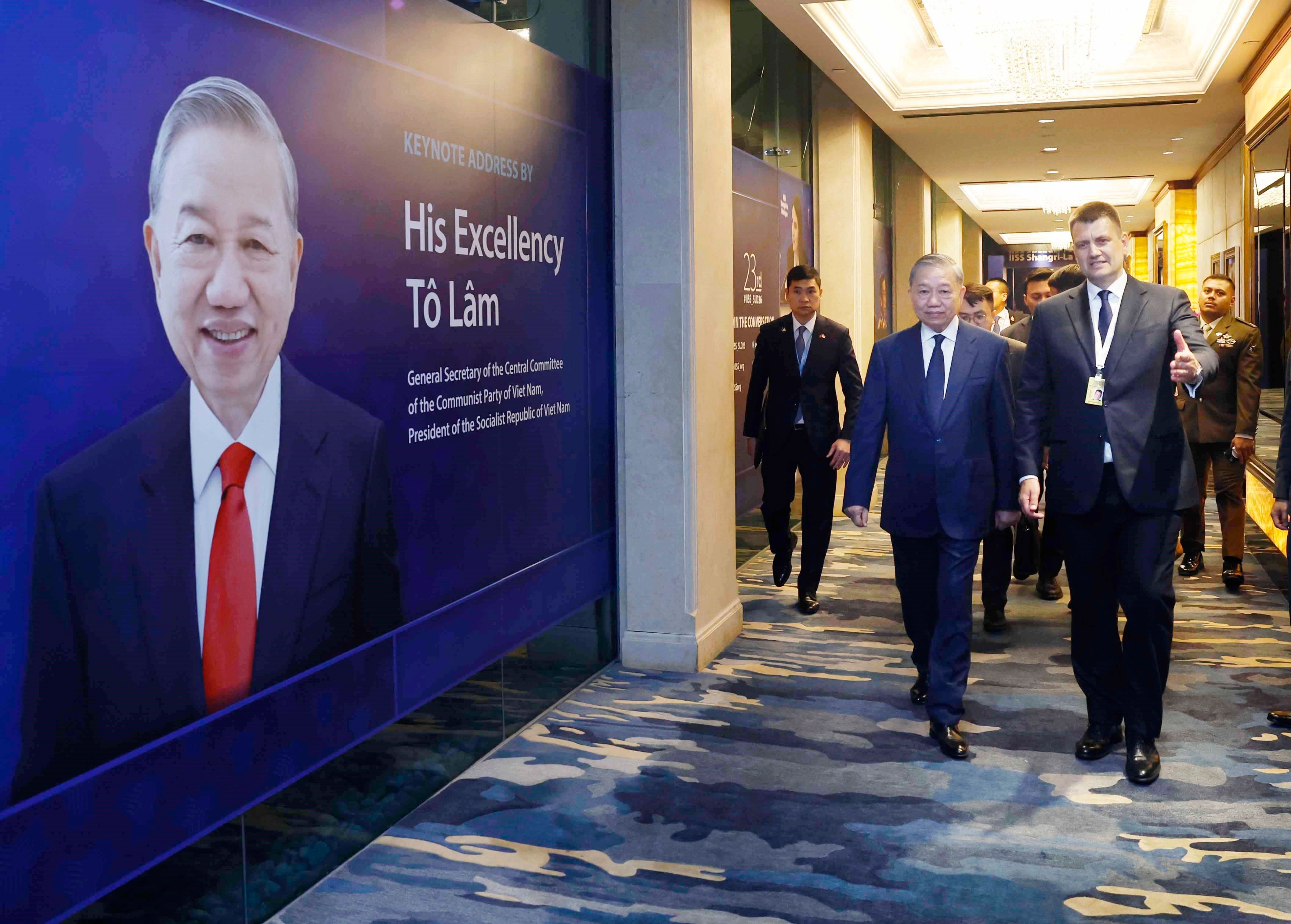
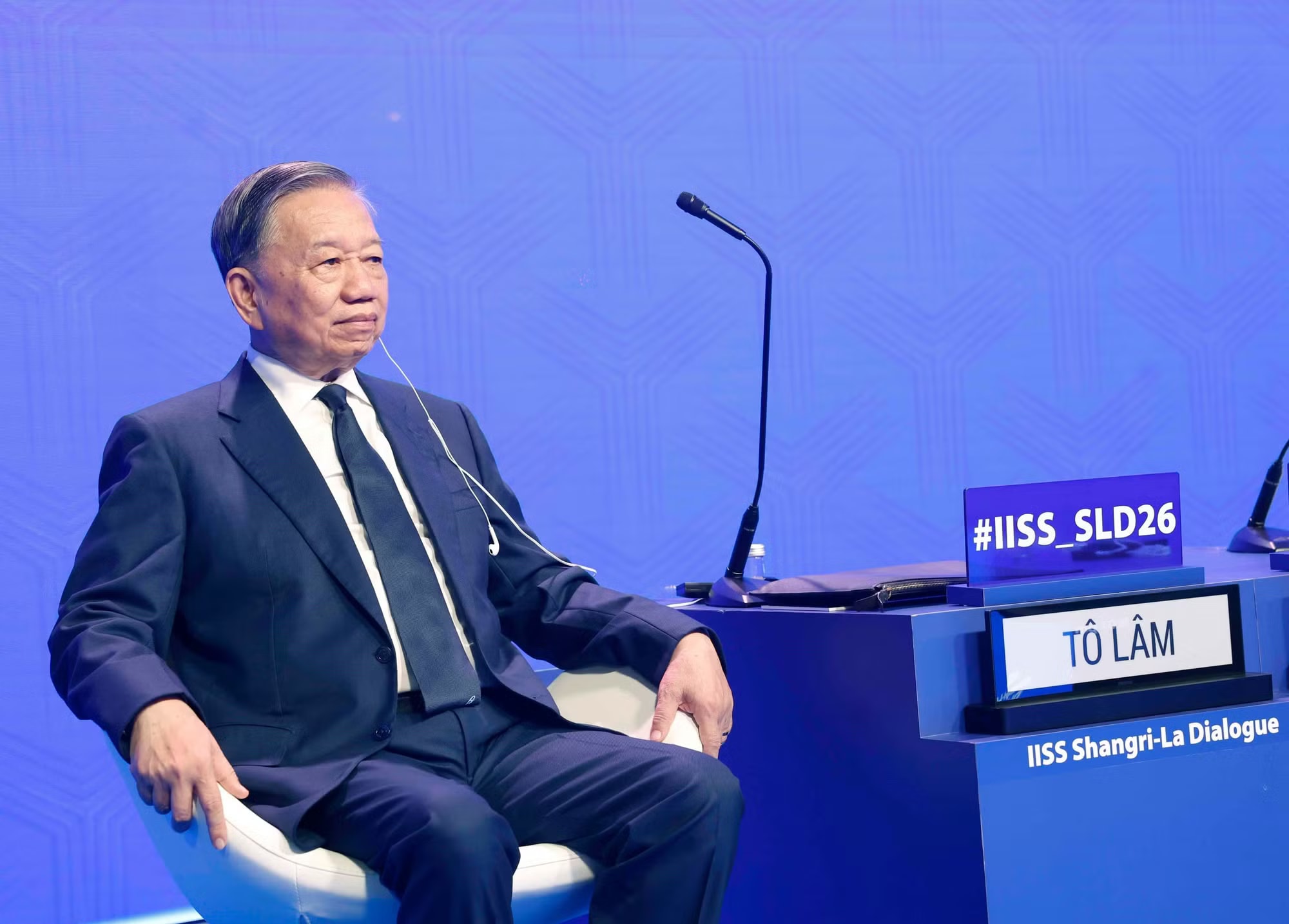
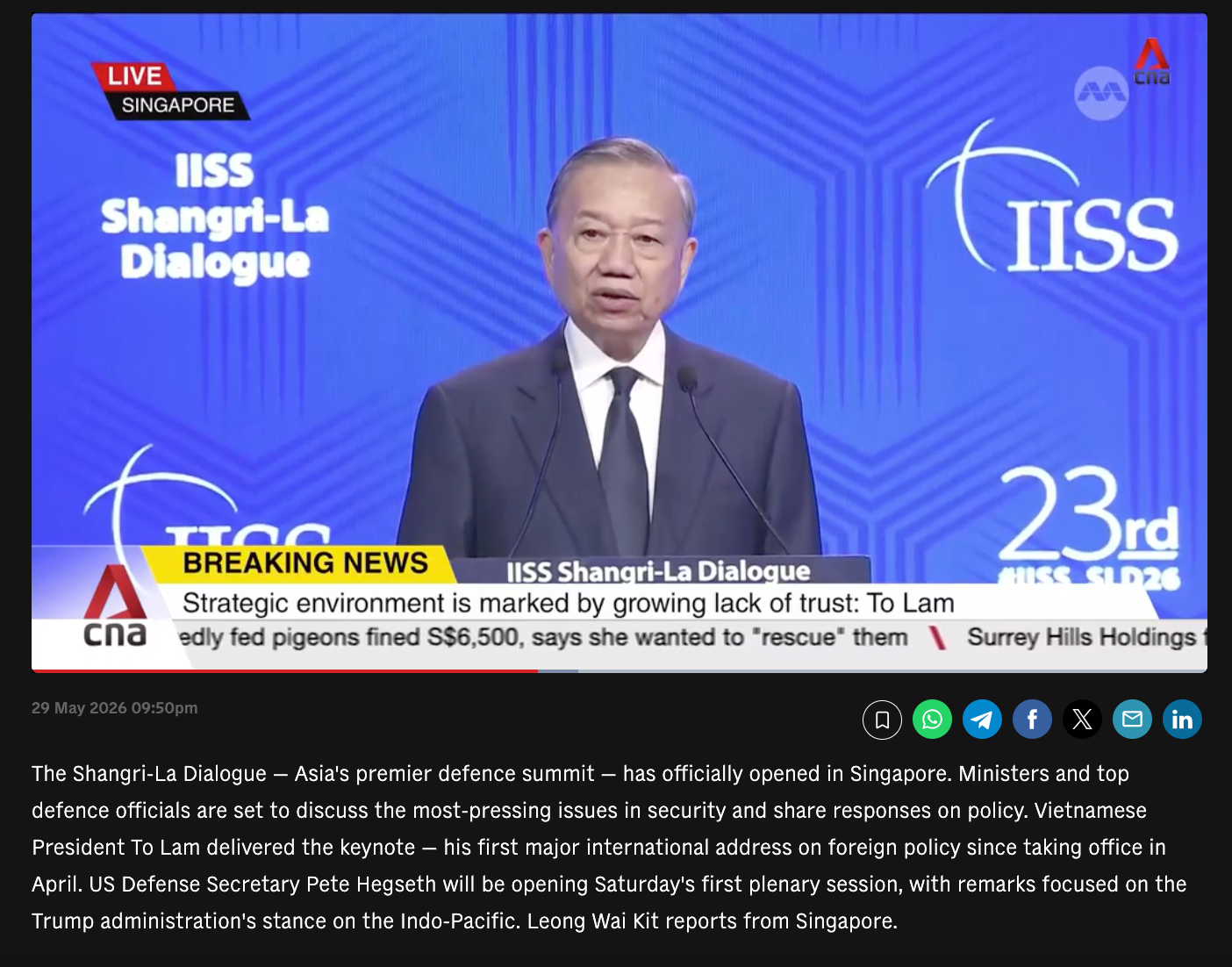
On the evening of May 29 in Singapore, General Secretary and State President To Lam delivered the keynote address at the opening session of the 23rd Shangri-La Dialogue under the theme “Actively shaping peace, stability and development in a volatile world”. This was not only an important diplomatic event, but also a strategic message about Vietnam’s position, mettle and responsibility in the country’s new era of development.
From the nation’s aspiration for peace to the country’s responsibility for shaping
Some nations understand peace through books, diplomatic speeches and concepts within theories of international relations. Vietnam understands peace through its own history. It is the history of a nation that has gone through war, loss, division and sacrifice to realise that peace is never a natural gift of the times, but an achievement that must be safeguarded through wisdom, resilience, steadfastness and responsibility.
Therefore, when General Secretary and State President To Lam emphasised at the Shangri-La Dialogue that Vietnam understands the value of peace through its own history and understands the value of development through its own journey of Doi Moi (Renovation) and international integration, this was not merely a political statement. It was a voice emerging from the depth of national history, from the experience of a country that endured immense suffering but never chose hatred as the foundation of its conduct; a country that defended independence with sacrifice but consistently chose peace, cooperation and development as its path towards the future.
That message carries even greater significance at a time when the world is facing multiple layers of uncertainty. The international order is showing signs of erosion. Rules continue to be invoked, but are not always consistently respected. Strategic competition among major powers is intensifying. Shared spaces such as seas, oceans, cyberspace, digital infrastructure, supply chains, data and advanced technology are increasingly becoming arenas of influence competition. Localised conflicts may spread into global crises affecting energy, food, logistics, finance and trust.
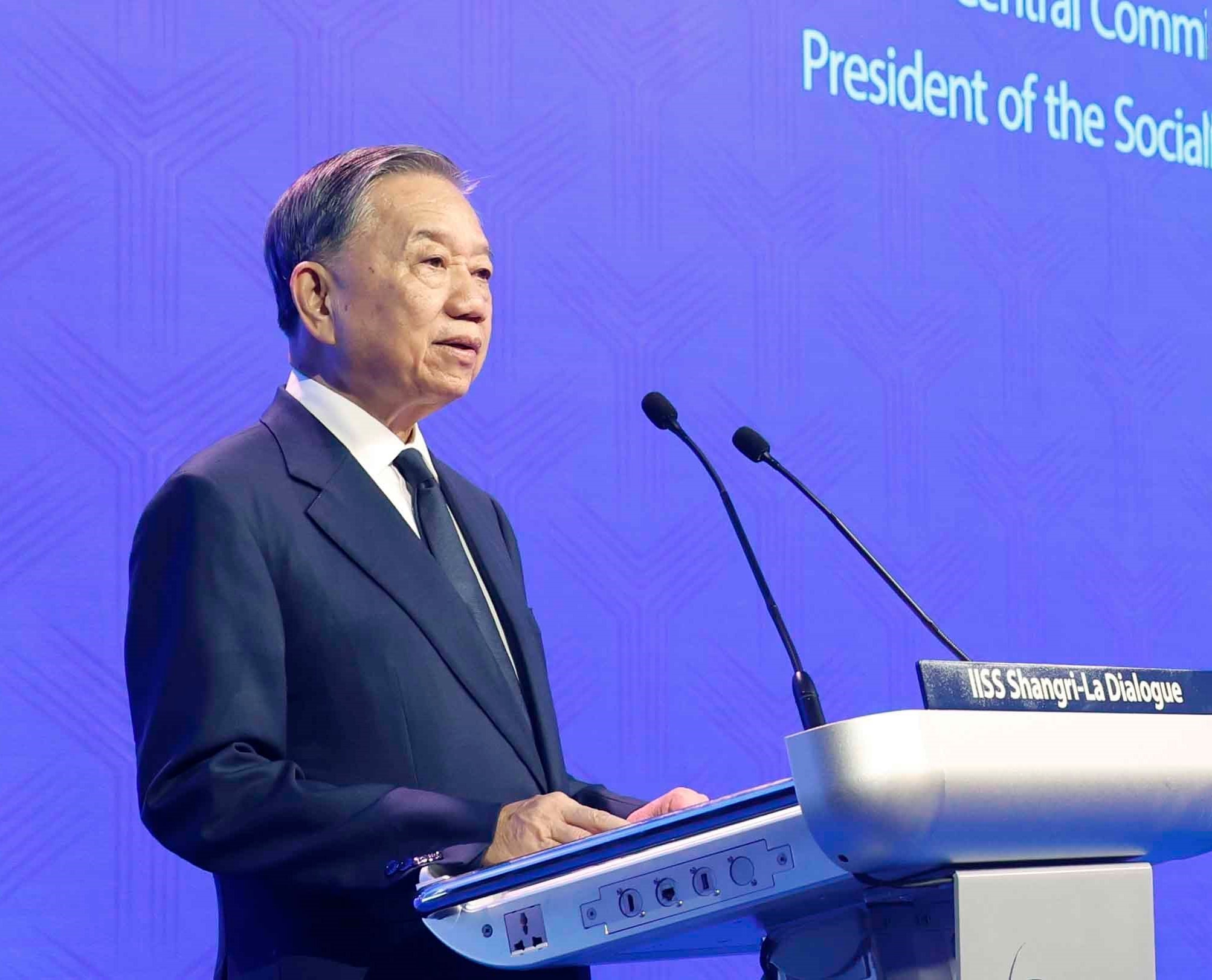
In such circumstances, what stood out in General Secretary and State President To Lam’s speech was an approach that did not stop at general calls for peace but instead introduced the requirement to “actively shape”. Peace is not simply the absence of war. Stability is not merely a static condition. Development is not solely economic growth. Peace, stability and development must be shaped through rules, dialogue, the capacity to prevent crises early and from afar, and practical mechanisms of cooperation capable of functioning effectively in reality.
This is an extremely important point. A nation entering a new era of development cannot focus only on itself in a world of deeply interconnected interests. Vietnam’s development is linked to regional peace. Vietnam’s security is tied to the stability of the Asia-Pacific. Vietnam’s future is connected to a fair international order based on international law, respecting independence, sovereignty, territorial integrity and the legitimate right to development of every nation.
From a country that once received support from international friends in its struggle for independence, Vietnam today is making a strong transition toward the role of a responsible nation, actively contributing to preserving a peaceful environment, promoting cooperation, building trust and reducing the risk of conflict. This marks a shift in position: from integration for development to proactively contributing to regional and global governance; from participating in international mechanisms to joining other nations in shaping rules, standards and trust.
Three crises and a Vietnamese perspective
In his speech, General Secretary and State President To Lam identified three foundational crises unfolding simultaneously: the crisis of the international order, the crisis of the development model and the crisis of strategic trust. This assessment reflects a sober, comprehensive diplomatic mindset closely aligned with the development demands of the era.
The crisis of the international order is not merely a story among major powers. It directly affects all nations, especially small and medium-sized countries. When rules are interpreted arbitrarily, when power is placed above justice and when the principle of “big fish swallowing small fish” resurfaces in new forms, developing countries face tremendous pressure in making strategic, economic, technological, security and sovereignty choices. For Vietnam, history teaches that independence and self-reliance are never abstract slogans. They must be protected through national capability, courageous diplomacy, the comprehensive strength of the nation and adherence to international law.
The crisis of the development model raises an even deeper issue. The world once believed that globalisation, trade, investment, technology and supply-chain connectivity would automatically create shared prosperity. But reality has shown that non-inclusive growth can deepen inequality; poorly governed technology can create new divides; climate change, public debt, capital costs and supply-chain disruptions can leave many nations behind. When development is interrupted, economic instability can easily evolve into social, political and security instability.
This also serves as a reminder for Vietnam in its new era of development. To enter the ranks of high-income developed countries and achieve its centennial strategic goals, Vietnam cannot simply pursue growth rates. Instead, it must build a sustainable, inclusive and people-centred development model, with culture as the spiritual foundation, science and technology as the driving force, institutions as the breakthrough and people as both the subject and the ultimate goal of development. Sustainable security cannot be separated from sustainable development. A strong society is not strong merely because of economic capacity but because of resilience, social consensus, cultural identity and confidence in the future.
The crisis of strategic trust is perhaps the quietest yet most dangerous challenge. When nations view one another through suspicion, a defensive action may be perceived as provocation, differences of interest may escalate into confrontation and a minor incident may trigger a spiral of escalation. In the era of artificial intelligence, big data, cyberspace, quantum technology, automated systems and digital infrastructure, the risk of miscalculation becomes even greater in the absence of standards, transparency, dialogue and human responsibility in decisions with serious security consequences.
From this perspective, Vietnam conveyed a very clear message: competition is a reality, but competition must have limits; differences are objective, but differences must be governed by rules; security is a legitimate need, but the security of one country cannot be built upon the insecurity of another. This is a balanced, humane and responsible way of thinking. It reflects the identity of Vietnamese diplomacy: principled in values and flexible in methods; independent and self-reliant without isolation; deeply integrated without losing itself; protecting national interests while contributing to the common interests of the region and the world.
A new era and Vietnam’s new position
General Secretary and State President To Lam’s speech at the Shangri-La Dialogue becomes even more significant in the current context, as Vietnam enters a new stage of development with greater aspirations, higher expectations and broader international responsibilities. Vietnam is no longer viewed merely as a success story of Doi Moi, a dynamic economy and a stable investment destination, but is increasingly listened to as an actor with a constructive voice in the strategic affairs of the region.
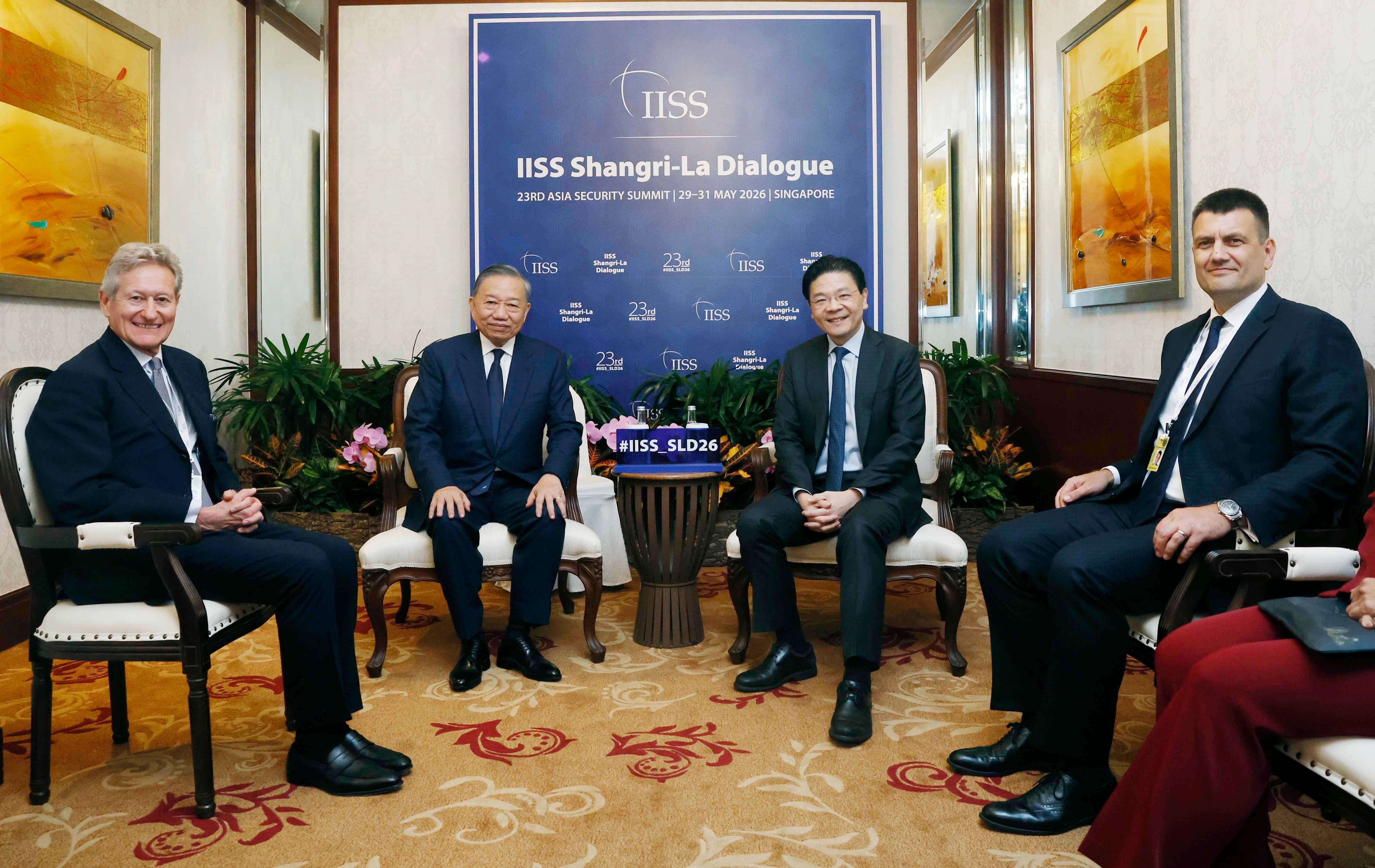
The fact that General Secretary and State President To Lam delivered the keynote address at one of the leading security forums in the Asia-Pacific demonstrates the international community’s strong interest in Vietnam’s role in the evolving regional architecture. This was the first time that the head of Vietnam’s Party and State delivered the keynote address at this forum. The event is also regarded as a milestone showing that the world wants to hear Vietnam’s perspective amid current geopolitical and geoeconomic changes.
But position does not come solely from an invitation to speak. Position comes from the country’s actual capabilities, from an independent, self-reliant, multilateral and diversified foreign policy, from development achievements, from socio-political stability and from prestige within ASEAN, the United Nations and international cooperation mechanisms. That position also stems from a culture of peace, respect and harmony — a culture that values peace yet refuses to submit to imposition; that is ready for dialogue while remaining resolute in defending independence, sovereignty, sovereign rights and legitimate jurisdiction under international law.
In the speech, the message regarding the East Sea was stated clearly, consistently and on principle: Vietnam supports resolving disputes through peaceful means on the basis of international law, especially the 1982 United Nations Convention on the Law of the Sea, while firmly and persistently protecting its legitimate rights and interests. This is a combination of mettle and responsibility, principle and goodwill, protection of national interests and preservation of a peaceful environment for the region.
In the new era, foreign affairs are no longer solely the work of the diplomatic sector. Foreign affairs represent the comprehensive strength of the nation. A country that seeks to have a weighty voice must possess a strong economy, effective institutions, solid national defence and security, a rich cultural identity, confident people, social consensus, advanced science and technology and modern strategic communication capacity. When General Secretary and State President To Lam emphasised human security, social resilience, protection of the information space, countering fake news and information manipulation and raising digital citizenship awareness, this also framed security within a broader, deeper and more humane development approach.
For Vietnam, shaping peace also means shaping the conditions for national development. A stable regional environment enables the country to expand trade, attract investment, develop technology and ensure energy security, food security, maritime security and cybersecurity, thereby improving people’s quality of life. Conversely, a developed, resilient and responsible Vietnam will contribute more to common peace, stability and prosperity.
Looking at the nation’s journey through the lens of the Shangri-La Dialogue, one can clearly see a consistent thread: Vietnam always chooses peace, but is never passive in the face of peace; always values cooperation, but never trades away independence and sovereignty; always seeks development, but never development at all costs; always integrates deeply, but on the foundation of national mettle, identity and national interests.
General Secretary and State President To Lam’s speech therefore was not merely a message sent to an international security forum. It was also an affirmation of Vietnam’s posture in the new era: more confident, more proactive and more responsible; not standing outside the major issues of the world, but also not allowing itself to be drawn into spirals of confrontation; steadfastly building a strong, prosperous and happy nation while contributing to shaping a safer, more resilient and more prosperous Asia-Pacific region.
In a volatile world, peace does not only need to be preserved. Peace needs to be shaped. And Vietnam, through its history, mettle, culture and aspiration for development, is stepping forward to contribute to that great endeavour.