

From the 1946 Constitution to a Culture of Respect for the Rule of Law: The Spiritual Foundation for the Aspiration to National Development in a New Era
As the country prepares to mark the 80th anniversary of the National Assembly’s adoption of Vietnam’s first Constitution (November 9, 1946 – November 9, 2026), looking back at the Constitution, adopted in the early days of independence, reminds us of an enduring value: the people’s right to mastery must be enshrined in the Constitution, guaranteed by law, and nurtured through culture.
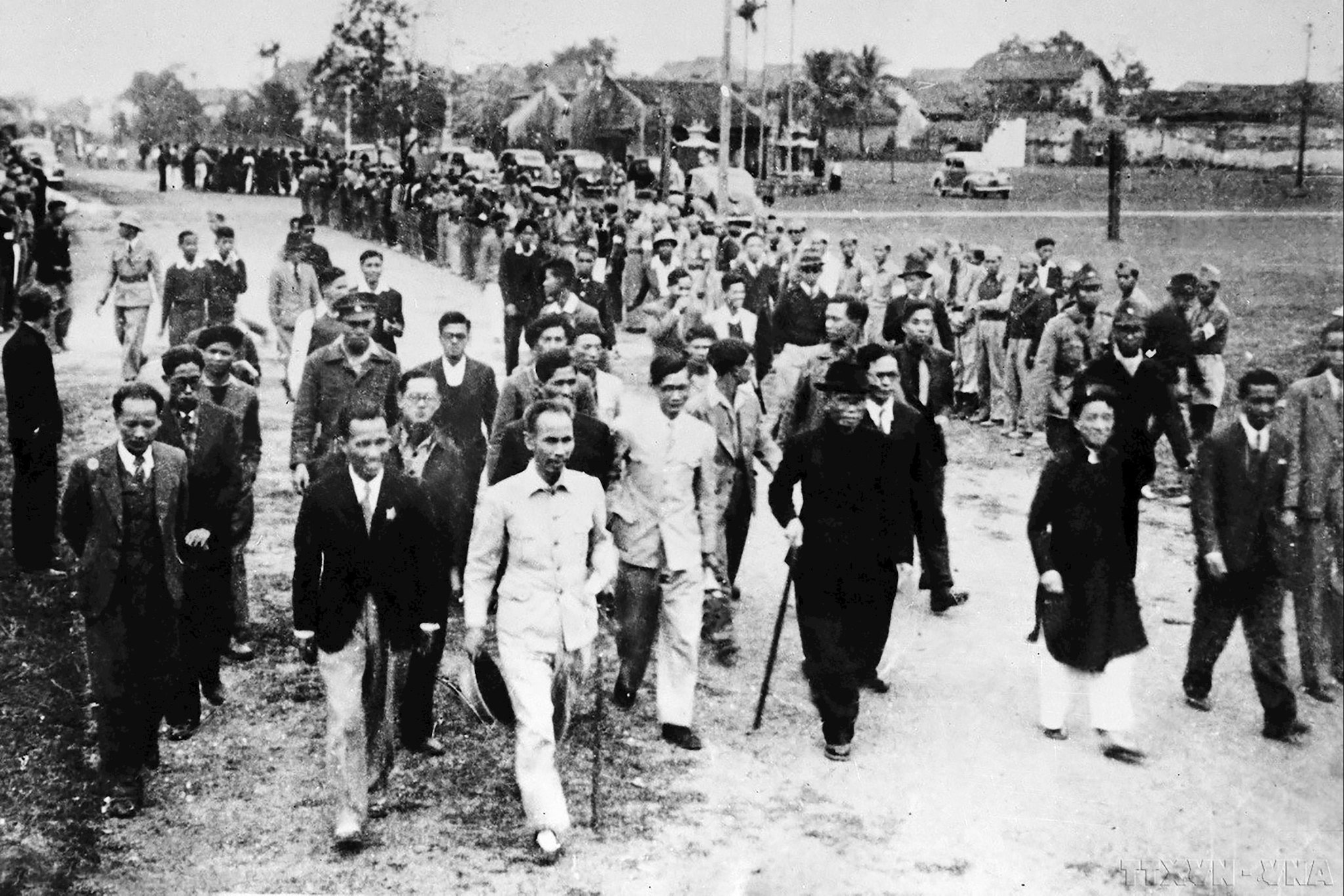
From the spirit of 1946 to today’s aspirations for development, fostering a culture of respect for the Constitution and the law means building the spiritual, ethical and trust-based foundations for a strong, civilized and happy nation.
The 1946 Constitution: From the aspiration for independence to the values of democratic culture
Some historical milestones reveal their true significance more clearly as time passes. November 9, 1946, is one such milestone. Just over a year after the Democratic Republic of Vietnam was established, when the revolutionary government was still in its infancy and the nation’s future faced countless challenges, the First National Assembly adopted the country’s first Constitution, with 240 of the 242 delegates voting in favour.
This was not merely the birth of a document with the highest legal authority. It was also a solemn declaration to the Vietnamese people and the world: a nation that had just regained its independence was determined to shape its future through the will of the people and the principles of democracy and the rule of law.
Reflecting on those circumstances makes President Ho Chi Minh’s vision all the more apparent. Following the proclamation of the Declaration of Independence, amid the many urgent tasks of fighting famine and illiteracy and defending national independence, he had already placed the organisation of a general election and the drafting of a Constitution high on the agenda. On January 6, 1946, the people exercised their right to vote to establish their own National Assembly. On November 9 of the same year, the Assembly adopted the Constitution.
These two events in a single historic year reflected a profound principle: national independence must go hand in hand with the people’s right to mastery; winning political power must be accompanied by the establishment of a legitimate foundation and a legal framework for the exercise of state power.
The enduring vitality of the 1946 Constitution lies, first and foremost, in its profoundly humanistic values and succinct expression of democratic principles. Its Preamble set out three guiding principles: national unity regardless of race, gender, class or religion; the guarantee of democratic freedoms; and the establishment of a strong and wise government of the people.
Article 1 affirmed: “All power in the country belongs to the entire Vietnamese people.” These words, written eight decades ago, continue to offer important insights for the building of a law-governed state today.
Of course, the conditions of war and the historical circumstances meant that not all institutions and provisions of the 1946 Constitution could be fully implemented. Nevertheless, its core values became a distinctive political, legal and cultural legacy, carried forward and developed through the Constitutions of 1959, 1980, 1992 and 2013, together with subsequent amendments and supplements.
The greatest value of this legacy lies not merely in its individual provisions, but in an overarching principle: nation-building must begin with respect for the people, the promotion of their collective strength, and accountability to them.
A culture of respect for the rule of law: The inner strength of a law-governed state
When discussing a law-governed state, we often think of the Constitution, the legal system, mechanisms for organising state power, and systems of inspection and oversight. All of these are essential. Yet a strong law-governed state requires something more fundamental: respect for the rule of law must become a conviction, a habit and a standard of conduct for every individual and organisation. In other words, the rule of law is not merely a matter of institutions; it is also a matter of culture.
The law establishes boundaries, rights and obligations, while culture helps transform these provisions into voluntary choices. Sanctions can deter violations, but a responsible society cannot be built on punitive measures alone. When people respect the law not simply because they fear punishment, but because they understand that doing so protects themselves, respects others and safeguards the common good, the law has taken root in everyday life as a cultural value.
Likewise, when public officials exercise their authority properly not merely because of inspection procedures, but out of integrity, a sense of responsibility and professional honour, the rule of law gains a firm ethical foundation.
From this perspective, a culture of respect for the rule of law needs to be nurtured across at least three closely interconnected dimensions.
First, there must be a culture of governance and public service. Every decision must be made within the proper scope of authority, based on clear grounds, made transparent and subject to accountability. The greater the power, the greater the responsibility to lead by example.
Second, there must be a culture of citizenship. People should understand their own rights, respect the rights of others, actively participate in policymaking and oversight, and refuse to remain indifferent to injustice, while ensuring that their actions remain within the framework of the law.
Third, there must be a culture of fairness. Rules must be applied consistently, disadvantaged groups must have meaningful access to justice, and no one should be left behind simply because they lack information or the means to exercise their rights.

Experience shows that if laws are enacted but are overly complicated, overlapping or difficult to access, people will find it harder to comply voluntarily. If enforcement is inconsistent, unfair or fails to genuinely respect citizens, public trust will gradually erode.
Therefore, building a culture of respect for the rule of law cannot stop at public awareness campaigns designed to help people “know the law”. It also requires public authorities to make the law understandable, accessible, practical, fair and trustworthy.
This approach is consistent with Resolution No. 66-NQ/TW on reforming lawmaking and law enforcement, which calls for the development of a culture of legal compliance and the assurance of the supremacy of the Constitution and the law.
In particular, in the digital society, the culture of the rule of law is entering new domains. A comment on social media, the use of personal data, the exploitation of creative works, the application of artificial intelligence, or the operation of businesses on digital platforms all raise questions about rights, responsibilities, fairness and standards of conduct.
Young people today need to learn about the law not merely through lessons that require them to memorise legal provisions, but through real-life situations, experiential activities, evidence-based discussions and the development of responsible digital citizenship skills.
Respect for the rule of law must be evident not only on the streets, in public offices and in schools, but also in cyberspace.
Bringing the spirit of the 1946 Constitution into policy decisions that shape the future
Eighty years after the adoption of the first Constitution, Vietnam is entering a new phase of development, presenting unprecedented opportunities and challenges. Science and technology, artificial intelligence, digital transformation, green transition and international integration are reshaping production methods, social organisation and people's lives.
New issues are emerging faster than traditional regulatory frameworks can adapt. In this context, the spirit of the 1946 Constitution reminds us that institutions must do more than preserve the existing order. They must also pave the way for new development opportunities while safeguarding human rights, citizens’ rights and the country's long-term interests.
In his remarks at the ceremony marking the 80th anniversary of Vietnam’s first general election to elect the National Assembly, held on January 6, 2026, General Secretary and State President To Lam emphasised the need to “continue to strongly renew legislative thinking towards enabling and guiding development”.
At the September 28, 2026 meeting of the Standing Board of the Central Steering Committee for Institutional Improvement and Law Enforcement, he further stressed that lawmaking and law enforcement must be treated as a unified whole.
These two requirements point to a significant shift in thinking: the quality of institutions should not be measured merely by the number of legal documents issued, but by whether bottlenecks are removed, new opportunities are created and people's lives are tangibly improved.
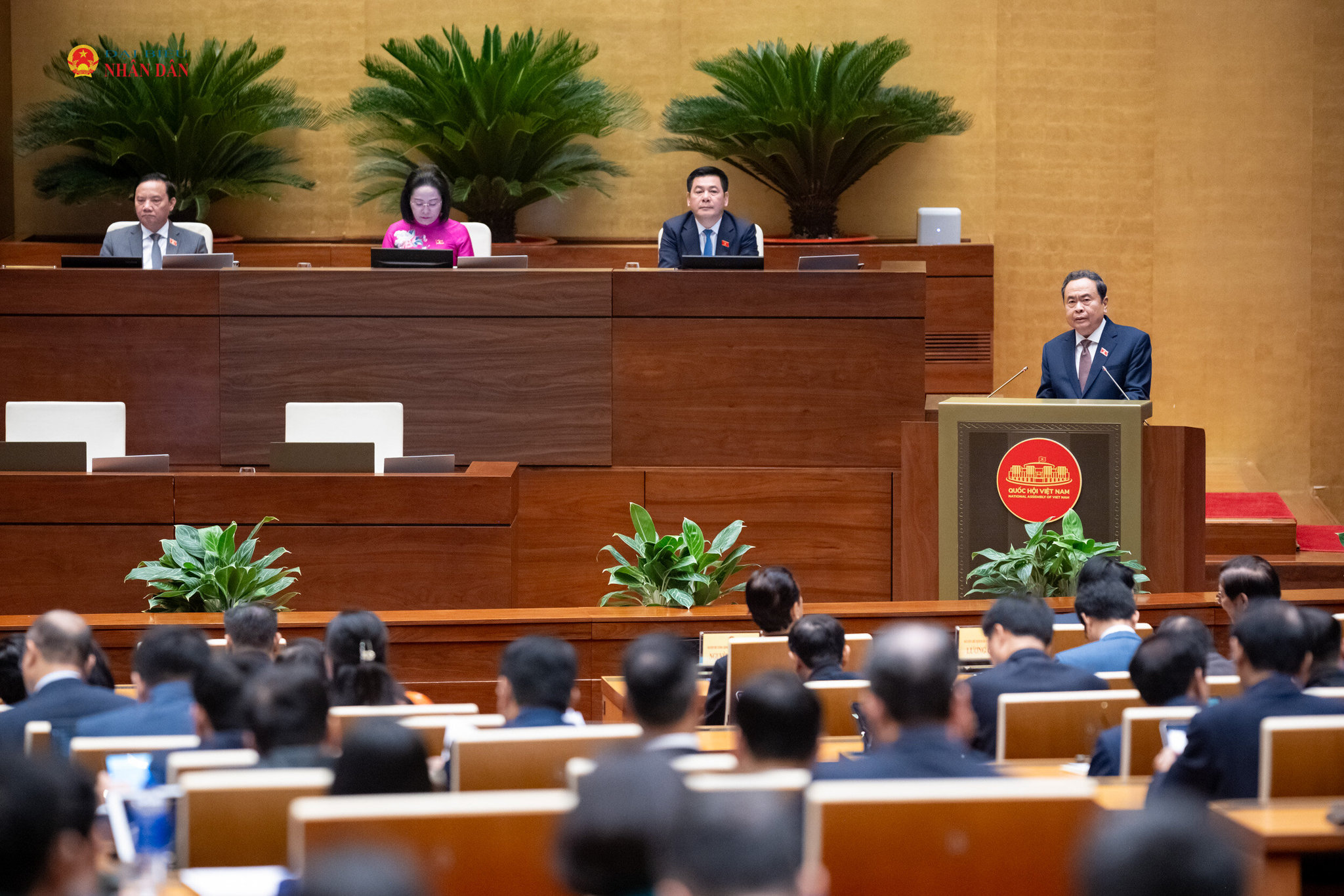
Drawing on experience in parliamentary activities, it is increasingly clear that lawmaking cannot be reduced to the technical task of drafting legal provisions. Behind every policy are people's lives, the development of businesses, opportunities for young people and the country's future prospects.
An unclear regulation can discourage those seeking to innovate; an unnecessary administrative procedure can become a barrier for citizens; and a legal vacuum can prevent promising initiatives from developing.
Therefore, enabling legislative thinking must begin with listening to practical experience, accurately identifying problems, comprehensively assessing impacts and having the resolve to choose solutions that serve the common good.
In this regard, the democratic legacy of the 1946 Constitution has direct relevance. Making laws for the people must begin with listening to the people.
The voices of workers, farmers, intellectuals, artists, businesses, disadvantaged groups and younger generations must be genuinely heard and incorporated into the policymaking process. Public consultation must not be treated merely as a procedural requirement for completing documentation; it must become an integral part of legislative culture.
A good law is not one that avoids differing opinions, but one developed through dialogue, evidence, careful consideration and accountability.
This is particularly significant in the cultural sector. Developing cultural industries, preserving heritage, promoting creativity, protecting copyright, and ensuring the right to access and enjoy culture cannot rely solely on the enthusiasm of cultural practitioners.
Vietnam needs transparent and predictable regulations that encourage creativity, mobilise social resources and safeguard the public interest. When the legal system values creativity and expands opportunities for everyone to realise their potential, culture is no longer merely a sector in need of support; it also becomes an endogenous resource for sustainable development.
In legal communication and education, there needs to be a decisive shift away from one-way information delivery towards fostering awareness, dialogue and practical engagement.
Vietnam Law Day on November 9 should not be marked solely by conferences, slogans or legal knowledge competitions. More important questions are how many people clearly understand their rights and obligations, how many administrative procedures have been simplified, and how many legitimate public petitions have been addressed.
Multiplatform communication featuring accessible, relatable legal stories, together with education on citizens’ rights and responsibilities in schools and communities, can generate a more lasting impact than generalised calls for compliance.
Eighty years after the National Assembly adopted Vietnam’s first Constitution, we pay tribute to President Ho Chi Minh and the generations of National Assembly deputies who laid the foundations for the country's constitutional development.
But the most meaningful tribute is not simply to recall the past. It is to bring those values to life today: ensuring that people experience the Constitution through the rights, opportunities and fairness they enjoy in everyday life; ensuring that every public official understands that power entails the responsibility to serve; and ensuring that every law represents a genuine commitment to the people.
When respect for the Constitution and the law becomes part of the national culture, when democracy is practised every day and justice is upheld through concrete action, the spirit of the 1946 Constitution will continue to shine, sustaining Vietnam’s aspiration to become a prosperous, civilized and happy nation.
Transated by Hong Nhung