

Finalizing marine spatial management mechanisms and balancing competing interests
National Assembly deputies have called for clearer mechanisms to coordinate marine spatial management, protect coastal communities’ livelihoods and safeguard the public’s right of access to the sea as they discussed amendments to the Law on Marine Resources and Environment of Seas and Islands on November 6.
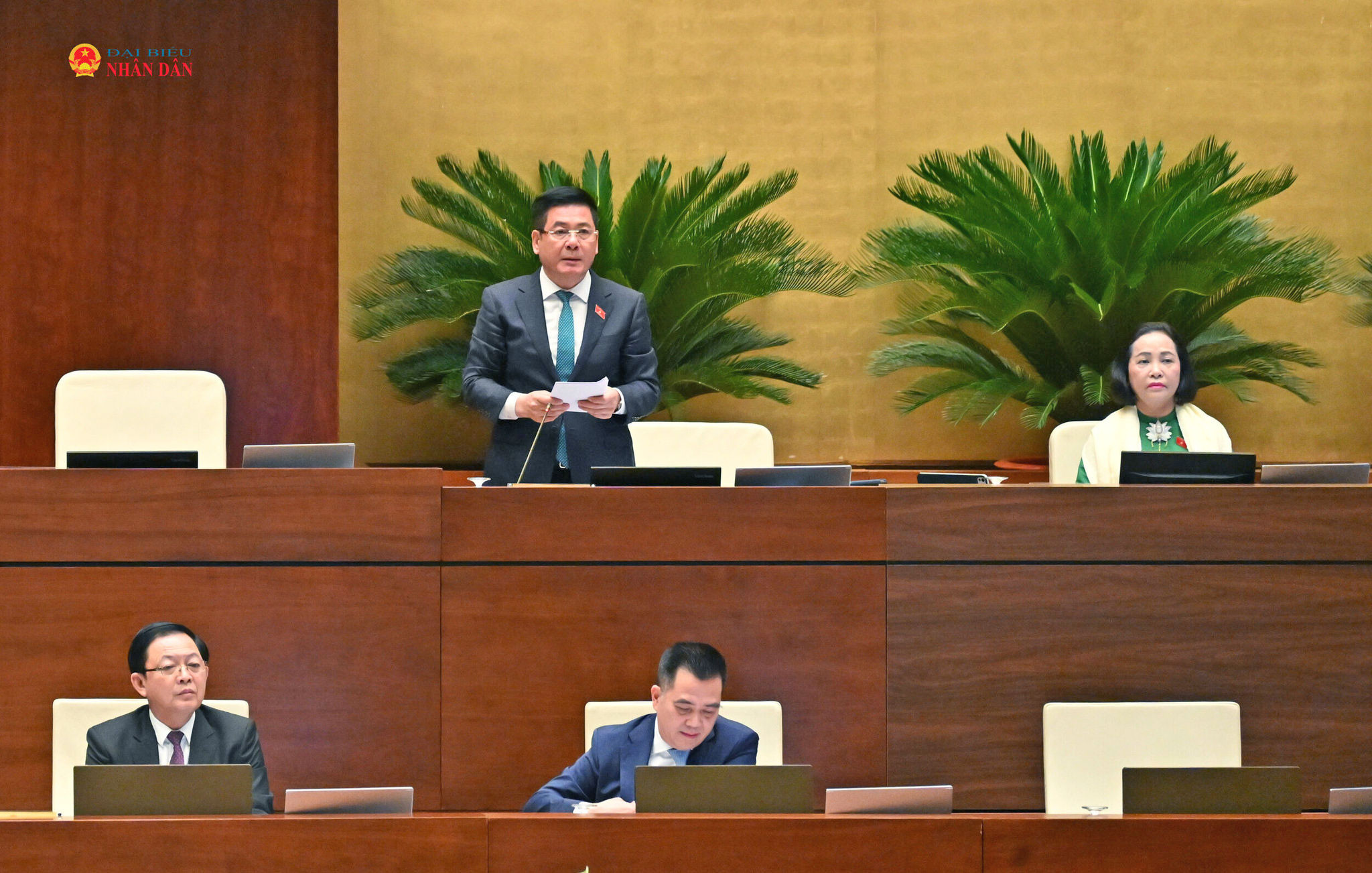
Under the chairmanship of National Assembly Vice Chairman Nguyen Hong Dien, deputies discussed the draft amended law at a plenary session, emphasizing its strategic importance for developing a green marine economy, protecting national sovereignty, conserving ecosystems and ensuring sustainable livelihoods for coastal communities.
Protecting livelihoods and public access to the sea
Deputies agreed that the sea is not only a space for economic development but also an essential living environment for coastal communities. The revised law should therefore balance exploitation and conservation, national interests and people's legitimate rights, as well as present development needs and responsibilities toward future generations.
Deputy Trieu Thi Ngoc Diem (Can Tho City) said Article 47 of the draft law does not clearly specify responsibilities for developing support plans, allocating funding or determining the timing of assistance for communities directly affected by marine-based projects.
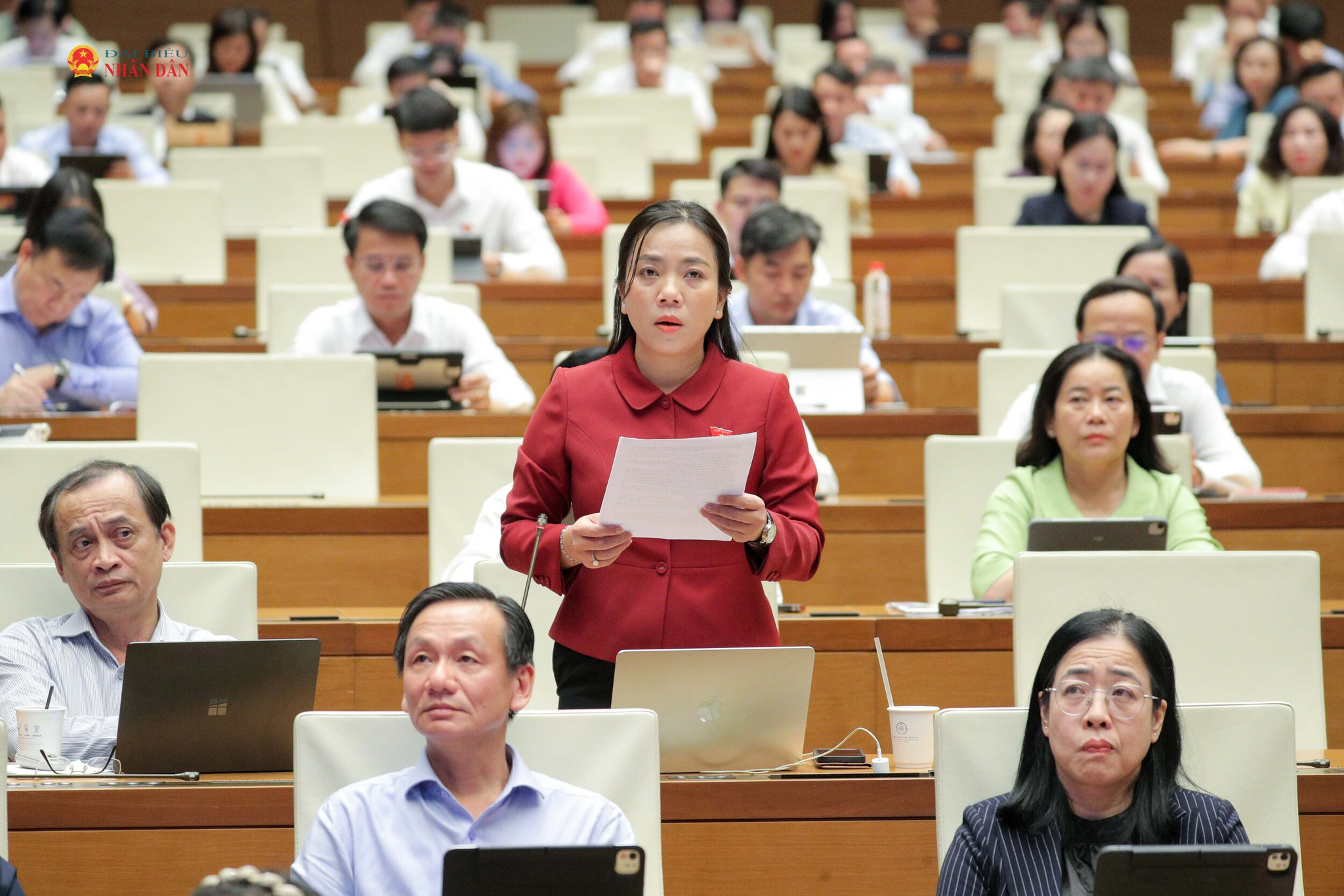
She noted that support should also cover people who depend on lawful economic activities at sea but do not hold formal rights to use marine areas subject to reclamation or withdrawal. Restricting assistance to those whose marine-use rights are revoked would overlook people who lose income or are forced to change occupations because of project impacts.
She proposed requiring provincial-level People's Committees to identify affected beneficiaries, assess the extent of the impact and approve support plans. These plans should involve community consultation and publicly disclose beneficiaries, support measures, funding, implementation schedules and responsible agencies.
Assistance should be provided before project activities disrupt local livelihoods. The Government should also clarify project owners' financial contributions in proportion to the impacts they cause, the State's share of support funding and measures to prevent duplicate payments.
According to the deputy, livelihood-transition assistance must lead to actual employment opportunities and income, with clear arrangements for monitoring and implementation.
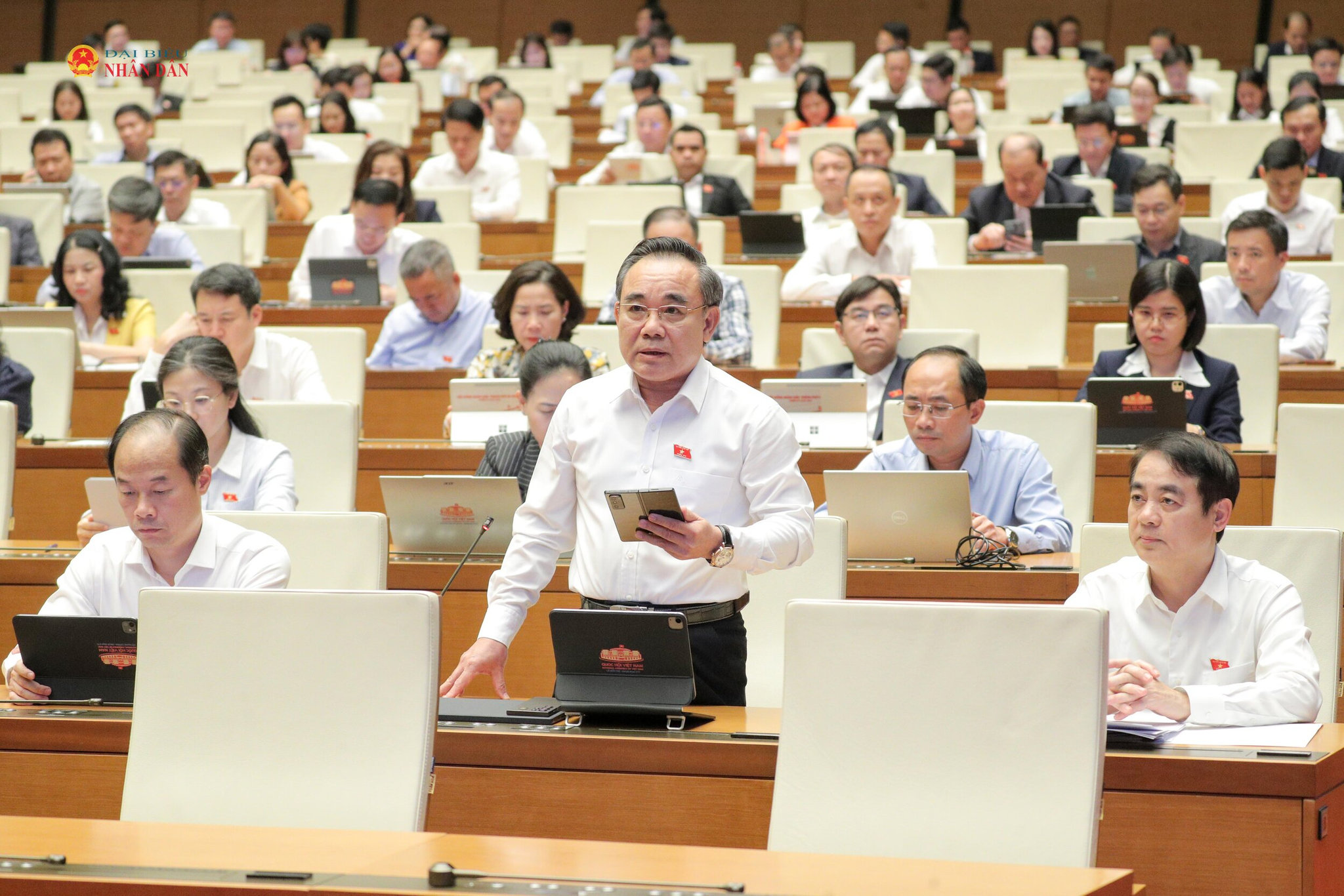
Deputy Le Huu Tri (Khanh Hoa) also called for stronger safeguards for coastal communities' right of access to the sea.
He argued that, beyond the provisions in Articles 9, 10, 23 and 52, the law must establish effective enforcement mechanisms. Without strict controls over planning, marine-area allocation and project approval, restoring public access routes could become extremely difficult once construction is completed.
He proposed requiring coastal development, land reclamation and offshore construction projects to clearly identify public access routes to the sea, public beaches and traditional communal spaces. People's lawful access rights should not depend on permission from project developers.
He also called for transparent planning information, meaningful public consultation and strict action against the occupation of public marine spaces.
Clarifying management responsibilities and coordination mechanisms
Regarding marine spatial management, deputies supported the provisions in Articles 6 and 7, which assign the Government unified management responsibility while establishing mechanisms for inter-agency coordination.
However, deputy Le Huu Tri warned that requiring coordination without clearly defining decision-making authority, accountability and processing deadlines could leave overlapping responsibilities unresolved and create additional administrative procedures.
He pointed to the need to clarify the respective responsibilities of central, provincial and commune-level authorities, particularly in areas where management responsibilities intersect. Decentralization should be accompanied by adequate financial and human resources, data systems and oversight mechanisms.
Deputy Trieu Thi Ngoc Diem highlighted similar concerns in localities where seaports, energy, fisheries and tourism compete for marine space. Without clear deadlines and designated decision-making authorities, administrative procedures could be prolonged, making it difficult for businesses to plan projects and residents to understand how their existing activities would be affected.
She proposed that Article 21 clearly identify the lead agency, competent decision-making authority and deadline for resolving conflicts and overlapping uses. If coordination fails to produce agreement within the prescribed period, the lead agency should submit all relevant opinions to the competent authority for a final decision. Disagreement should not become grounds for indefinite delays.
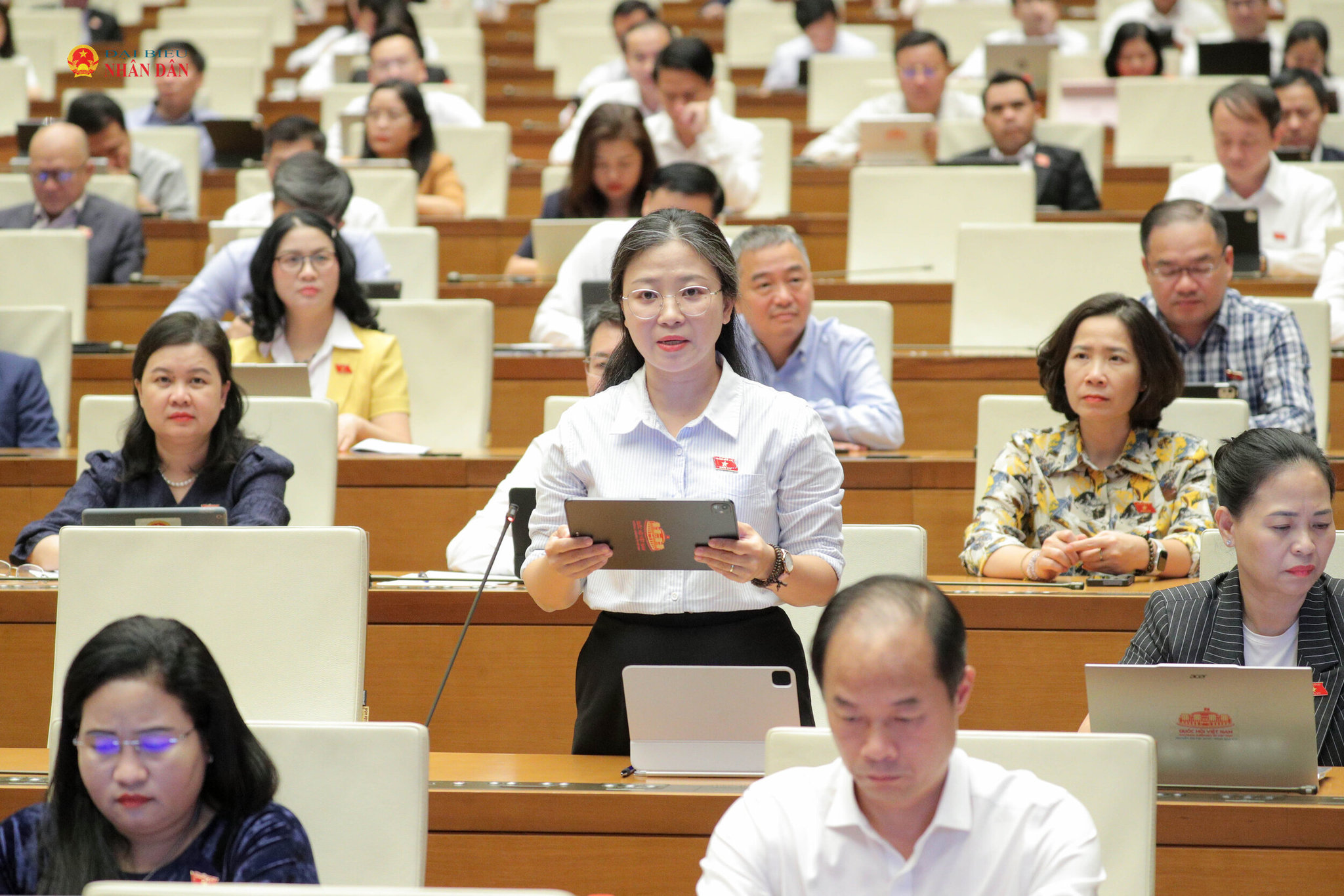
Meanwhile, deputy Nguyen Thanh Ngan (Khanh Hoa) argued that the provision in Point b, Clause 4, Article 17, allowing permits to be refused when research areas overlap with other lawful marine activities, lacks flexibility and does not adequately reflect the principle of multi-purpose marine spatial management.
“Geographical overlap in coordinates does not necessarily mean that two activities will be mutually exclusive,” she emphasized.
She proposed refusing permits only when scientific research genuinely poses safety risks, seriously disrupts lawful commercial activities and cannot be accommodated through mitigation measures.
Where overlaps occur, authorities should facilitate negotiations and adjustments to allow activities to coexist, including changes to schedules, specific locations or implementation methods.
The deputy also called for amendments to Point c, Clause 3, Article 17, which currently prohibits scientific research activities from causing marine pollution or destroying marine ecosystems but does not explicitly address marine environmental degradation.
She noted that degradation, such as declining seawater quality, changes in sediment characteristics and deterioration of marine habitats, can occur before an ecosystem is destroyed. These impacts should therefore be prevented from the permit-approval stage.
She proposed explicitly adding “marine environmental degradation” to the provision and requiring that activities must not seriously undermine the functions and structure of marine ecosystems, ensuring consistency with Article 13 of the draft law.