

Encourage critical feedback and new suggestions
Along with appreciating the sense of responsibility of the delegates and the quality of the discussion session at the Second Session of the 16th National Assembly on socio-economic issues, according to Ms. Le Thi Nhung, Standing Committee Member of the Provincial Party Committee and Permanent Vice Chairman of the Ca Mau Provincial People's Council, attending the session helped to draw some experiences to apply to the activities of the provincial People's Council. Especially, it encouraged critical opinions, new proposals, and issues that remain difficult and problematic in the practical management and administration at the grassroots level.
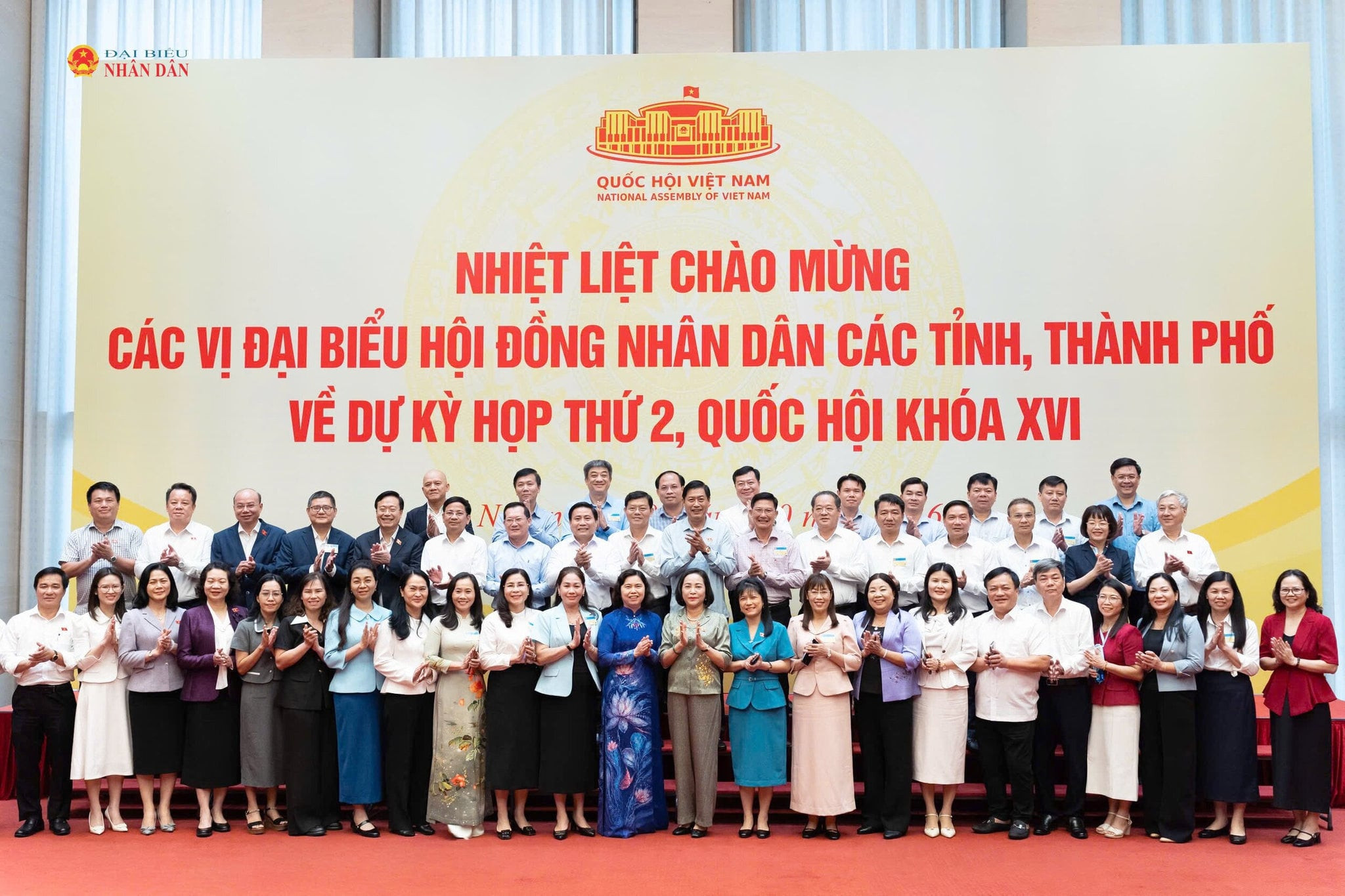
Many heartfelt and practical suggestions
- Madam, having attended the discussion in the Assembly Hall at the Second Session of the 16th National Assembly on socio-economic issues, what are your impressions of the sense of responsibility of the delegates as well as their proposals and suggestions for implementing the country's development tasks?

- First of all, I am very honored and delighted to be attending the discussion session in the Assembly Hall of the Second Session of the 16th National Assembly on socio-economic issues.
Through observing the discussion session, I clearly noticed the serious, democratic, responsible, and dedicated working atmosphere of the National Assembly delegates. The opinions expressed honestly and objectively reflected the socio-economic situation, the lives of the people in various localities, and the legitimate aspirations of the voters; many opinions frankly pointed out shortcomings, limitations, causes, and responsibilities in implementation, clearly demonstrating their role as representatives of the people's will and aspirations.
The delegates' proposals and suggestions went beyond simply raising issues; they delved into concrete, practical, and feasible solutions, focusing on removing institutional bottlenecks, mobilizing and effectively utilizing resources, promoting growth, ensuring social security, and improving the quality of life for the people. These were all practical and high-quality opinions that made a significant contribution to the National Assembly's consideration and decision-making on important national issues.
Typical examples include: opinions on unlocking long-term capital sources and piloting gold certificates by National Assembly Deputy Le Hoang Anh (Gia Lai); proposals to regulate budget allocation deadlines and address the issue of prolonged unallocated budget estimates by National Assembly Deputy Hoang Quang Ham (Tay Ninh); proposals to link the income of commune-level officials to work performance by National Assembly Deputy Tran Thi Thu Phuoc (Quang Ngai); proposals to develop solutions for the development of specialized enterprises in the Mekong Delta region by National Assembly Deputy Ta Minh Tam (Dong Thap); opinions on considering reducing lending interest rates as a key focus of management, developing capital plans for growth in 2027, and evaluating the quality of growth through real income and sustainable employment by National Assembly Deputy Trinh Xuan An ( Dong Nai )...
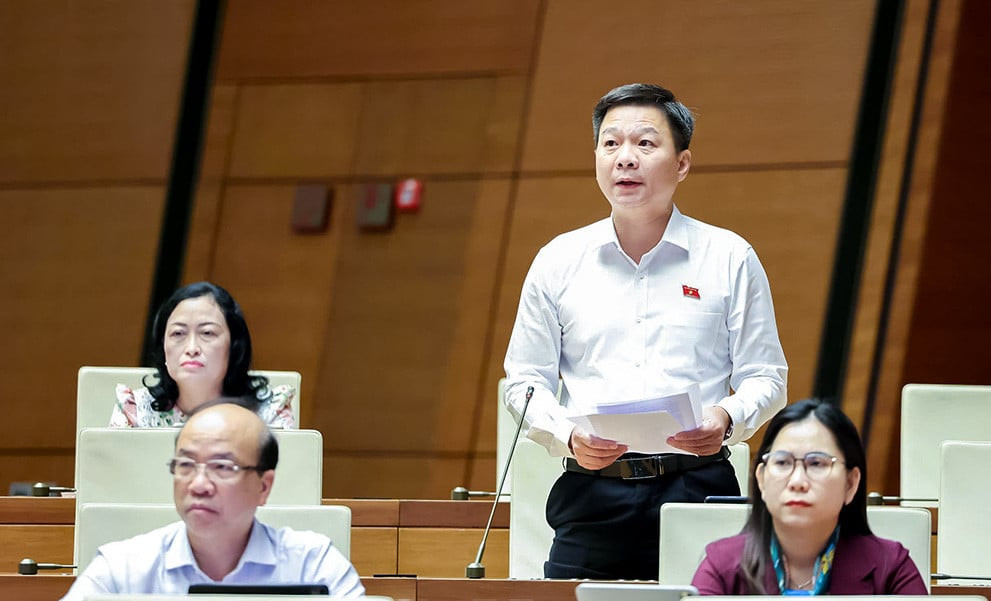
In particular, National Assembly Deputy Nguyen Binh Tan (Ca Mau) raised a very practical issue relevant to the Mekong Delta region: "following nature" does not mean being passive, but rather a harmonious combination of structural and non-structural solutions, adapting to nature while proactively controlling its adverse impacts. He also proposed that the Government expedite the completion of investment preparation procedures and allocate capital for eight key projects in the 2026-2030 period (such as the water resource control and regulation system south of National Highway 1A in Ca Mau, and the southern bank of the Hau River), integrate coastal roads with climate change mitigation projects, and allocate capital according to risk levels and the scale of the population to be protected. These are recommendations of particular interest to voters in Ca Mau.
Ensuring that employees can work with peace of mind and be dedicated to their jobs
- Based on the vibrant practical experience of the two-tiered local government system, what bottlenecks in implementation, in your opinion, need to be addressed to ensure growth targets and the quality of life for the people are met?
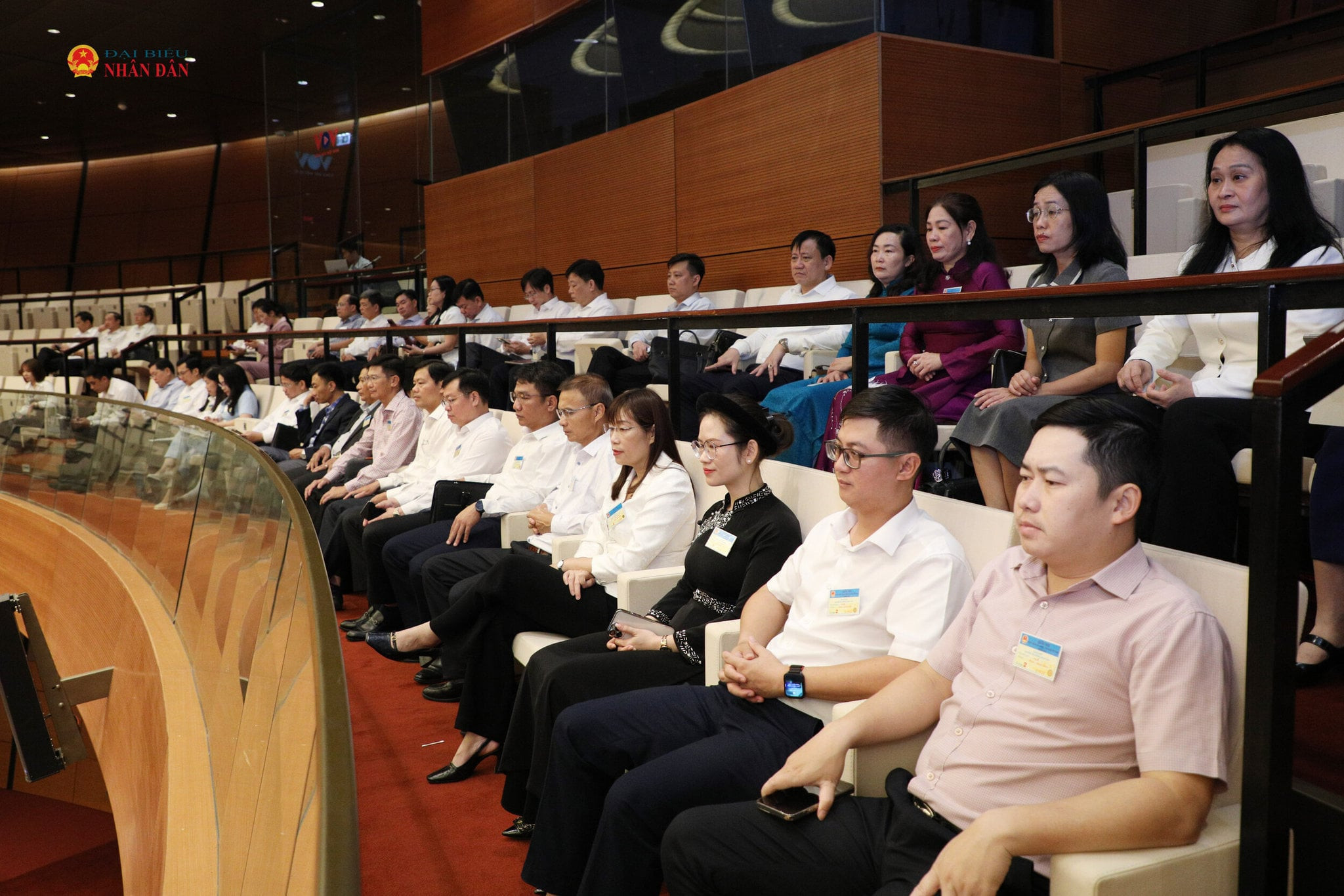
- Practical experience since the implementation of the two-tiered local government model shows that the administrative apparatus operates smoothly, is closer to the people, and handles work more efficiently; this policy is correct and in line with the requirements for reform and streamlining the organizational structure. However, through monitoring, supervision, and participation in directing activities at the local level, I have noticed that there are still some difficulties and obstacles that need to be addressed so that this model can fully realize its effectiveness.
First, it is necessary to perfect the system of regulations, processes, and procedures to suit the new model. It is recommended that ministries and agencies continue to review, amend, supplement, or propose amendments to regulations on the processes and procedures for carrying out tasks in various fields, especially planning, investment, land, and administrative procedures for citizens and businesses; ensuring they are consistent with the two-tiered government structure, the existing number of officials and civil servants, and the requirements for applying science, technology, and digital transformation in handling work. Along with this, decentralization and delegation of power should be implemented in conjunction with resource allocation, guidance, inspection, and capacity building, so that when communes receive tasks, they have the necessary conditions to perform them effectively and meet requirements.
Simultaneously, it is necessary to promptly finalize the job classification and expedite the arrangement and placement of cadres and civil servants. We propose that the Government direct the early completion of the development of the job classification list and competency framework; accelerate the process of arranging and placing cadres and civil servants in the right positions; and at the same time, innovate recruitment, selection, and screening processes to attract qualified and capable individuals, combined with regular training and development, especially for cadres and civil servants at the commune level – those who directly handle the affairs of the people.
Another important requirement is the early completion of salary policies and benefits. We propose that the Government promptly finalize a salary mechanism commensurate with the duties and responsibilities of officials and civil servants, ensuring a decent or higher standard of living so that officials can work with peace of mind and dedication. This is also a crucial condition for attracting and retaining talented individuals to participate in the activities of the state apparatus, especially at the grassroots level and in disadvantaged areas.
I believe that when institutional, human, and incentive bottlenecks are simultaneously addressed, the two-tiered local government system will operate more effectively and efficiently. This will contribute to achieving growth targets, improving service quality, and enhancing the quality of life for the people.
Maximizing the intelligence and sense of responsibility of the delegates
- From the way the National Assembly organized and conducted the discussion sessions, what lessons can localities learn and apply appropriately to their practical conditions to further promote the intellect and sense of responsibility of delegates in contributing ideas for development , Madam?
- Through observing the sessions, I noticed that the way the National Assembly organized and conducted the discussions was very systematic and ensured quality; the issues raised were explained in detail by the ministries and agencies, and further discussed and clarified by the delegates to reach a consensus. From this, I have drawn some lessons to apply to the activities of the provincial People's Councils, given the limited time available for the sessions, as follows:
Firstly, we must continue to innovate the methods of organizing and conducting discussion sessions. The chairperson needs to effectively play the role of guiding and suggesting issues; conducting the session scientifically, democratically, and flexibly, ensuring that delegates have the opportunity to exchange views frankly and focus on key points; avoiding general and repetitive statements. Each delegate's opinion should be respected, explained, discussed, analyzed, and clarified to reach a consensus.
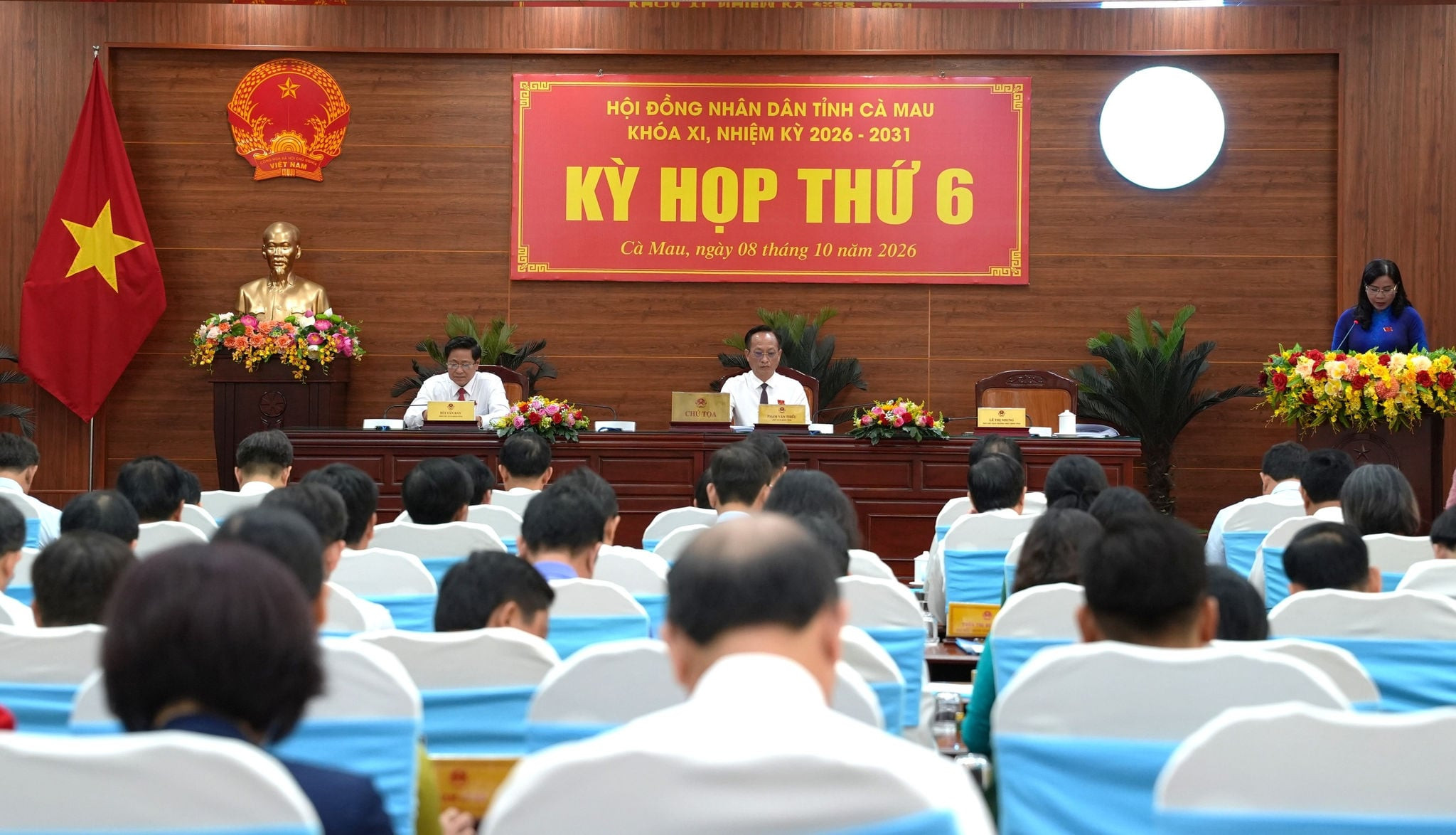
Secondly, promote democracy and collective intelligence. Each People's Council representative should be given the opportunity to express their opinions, reflect the thoughts and aspirations of the voters, and contribute quality opinions. In particular, critical feedback, new proposals, and issues that remain difficult or problematic in the practical management and administration at the grassroots level should be encouraged. The Standing Committee of the People's Council should create conditions for representatives to speak more, thereby improving the quality and quantity of opinions discussed.
Thirdly, improve the quality of discussion content preparation, linking it to digital transformation. Issues raised for discussion need specific information and data, accurate assessments of the current situation, clear identification of causes and responsibilities; and suggestions for feasible, focused solutions that are appropriate to the local resources. To achieve this, documents should be sent early to allow delegates time to study, and should be linked to digital transformation, such as: digitizing meeting documents and uploading them to electronic platforms for delegates to access and study anytime, anywhere; building databases and data to support discussions; and applying technology in receiving and synthesizing voter and delegate opinions. Simultaneously, delegates should be empowered to proactively understand the local situation, increase contact with constituents, prepare opinions, and actively participate in discussions and propose practical solutions.
Fourth, translate the contributions into practical actions. The heartfelt opinions and sound suggestions of delegates must be studied, considered, explained, and concretized by competent authorities into resolutions, programs, and socio-economic development plans, with clear assignment of responsibilities and implementation timelines; simultaneously, monitoring, supervision, and reporting of results should be strengthened so that voters are aware and can follow the process.
I believe that applying these experiences will contribute to improving the quality of the People's Council sessions, maximizing the intelligence and sense of responsibility of the delegates, thereby making a practical contribution to the socio-economic development of Ca Mau province and the country.
Thank you very much, Madam!